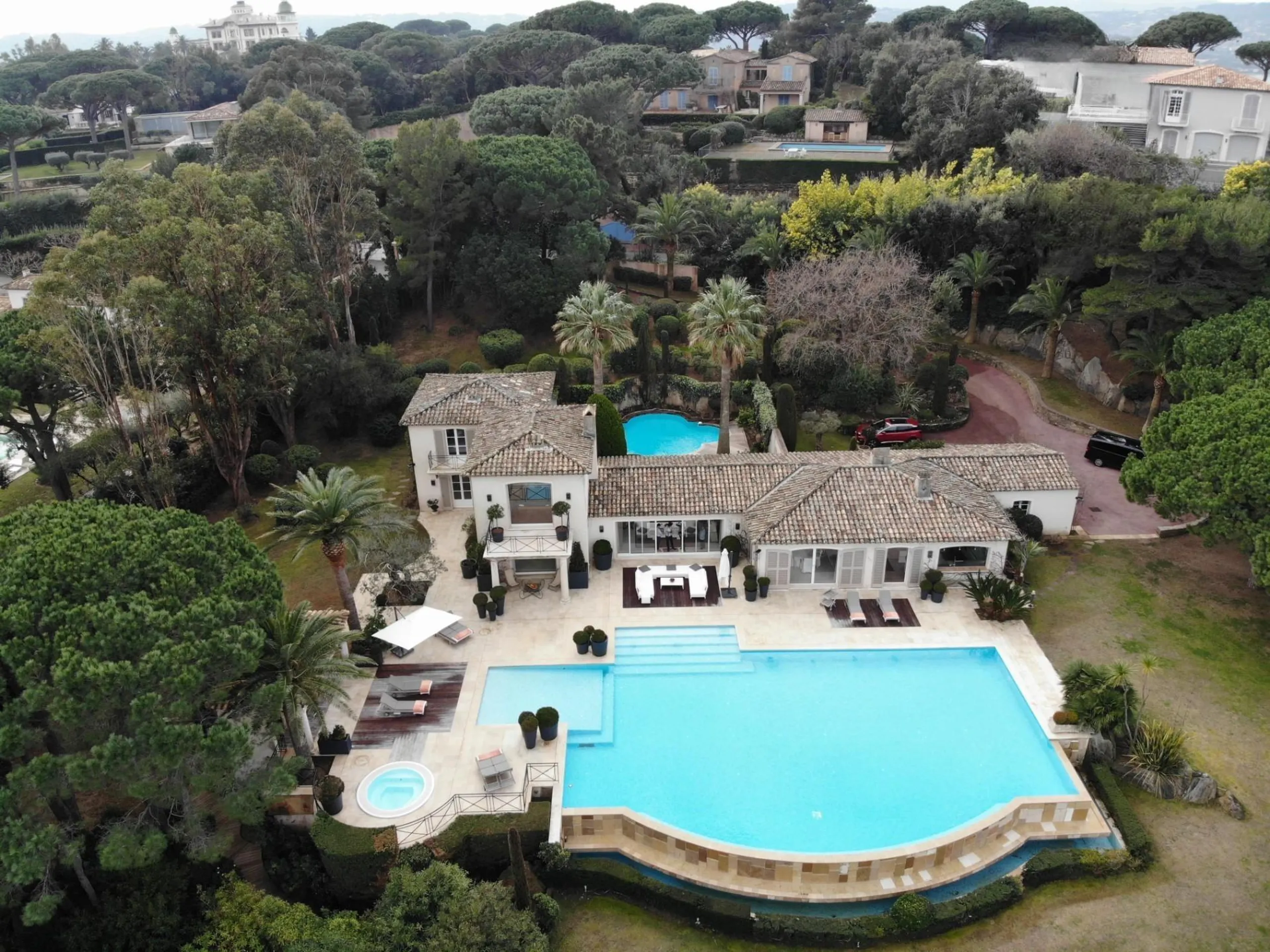
Build a Côte d’Azur stay around a particular stretch of coast, pairing Mediterranean days with art, hill villages and regional food.
Planning a French Riviera villa stay
Choosing a French Riviera luxury villa starts with the daily experience you want: saint-tropez area, cannes area, or a private hillside setting. Compare the exact location, bedroom layout and outdoor space, then confirm access, included services and arrangements for your dates with the property team.
| Setting or priority | A good fit for | Check before booking |
|---|---|---|
| Saint-Tropez area | Village and coastal experiences | Allow for the practicalities of seasonal journeys |
| Cannes area | Town life and a coastal base | Choose the location around repeated outings |
| A private hillside setting | Quiet evenings and outdoor dining | Confirm road access and transport |
Explore French Riviera luxury villas
A coastline that changes from town to town
French Riviera luxury villa rentals offer a choice between quite different Mediterranean lives. Nice brings a city’s museums and food culture; Antibes connects an old town with a wooded peninsula; Cannes combines a major seafront with an older hill quarter; Saint-Jean-Cap-Ferrat concentrates gardens and coastal paths within a smaller setting. Above the shore, Saint-Paul-de-Vence, Èze and the Grasse hinterland introduce another rhythm. The strongest villa choice begins with the stretch of coast the group wants to know well.
The Côte d’Azur is particularly rewarding when a day moves between different scales. A morning in a museum, lunch in an old town and a quiet afternoon overlooking the water can belong naturally together. A hill village changes the view of the coast, while a boat outing gives the same landscape a new shape. This variety is available without attempting the entire Riviera in one week.
Choose two or three local anchors before comparing homes. They might be Nice’s cultural life, Antibes’ market and beaches, or the eastern gardens. Then let the villa supply the private space between outings. The result is a stay with a clear identity rather than a succession of distant reservations.
Nice: the city belongs in the holiday
Nice’s official tourism guide introduces a city in which the seafront and historic neighborhoods coexist with substantial cultural life. The Promenade des Anglais gives the water a broad public stage, while Vieux Nice offers a more enclosed pattern of lanes, shops and places to eat. Cours Saleya provides a natural focus for a morning, particularly when the plan includes bringing food back to a villa kitchen.
A rewarding Nice day does not need to contain every major attraction. Begin in the old town, choose a museum or another focused visit, then leave room for lunch and a walk. The city’s different neighborhoods become clearer when there is time between appointments. A villa in the surrounding hills can make this urban day feel like an excursion into another world, even while the coast remains visible from home.
Nice is also useful for guests who want options when the weather changes. Its museums, restaurants and inhabited streets give the stay a strong cultural foundation beyond beach conditions. That can be particularly valuable outside the height of summer, when a coastal holiday benefits from a city that continues to function as more than a seasonal resort.
Chagall and the Riviera’s artistic conversation
The Musée National Marc Chagall provides a focused cultural experience in Nice. It is best approached as a place to spend time with the artist’s work rather than a brief stop in a generic museum circuit. A visit can change the tone of a day, inviting a more concentrated kind of looking before returning to the open light of the city.
The Riviera’s artistic appeal becomes more interesting when different institutions are allowed to speak separately. A museum devoted to one artist, a modern-art foundation and a historic villa garden each ask for a different attention. Choose according to the group’s interests rather than assuming that art lovers will want the same experience every morning. One substantial visit can be enough to give the day a lasting theme.
For a private-villa stay, art need not compete with relaxation. An early cultural outing followed by a long lunch and an afternoon at home can feel generous rather than busy. The key is to avoid placing major visits at opposite ends of the coast on the same day. The landscape between them is beautiful, but it should not become the main thing seen through a car window.
Antibes: market, ramparts and Picasso
Antibes Juan-les-Pins offers several holiday settings within one local area. The old town’s market and lanes provide an everyday center, while the ramparts and waterfront open toward the sea. The Musée Picasso gives a cultural visit a strong focus. Together, these elements make Antibes particularly appealing for travelers who want a town they can use repeatedly rather than visit only once.
A morning can begin around the market, continue with art and end with lunch without requiring a change of base. This compactness is valuable for groups whose interests differ. Some guests may spend longer in the museum while others explore the shops or remain by the water. The town supplies natural meeting points, allowing the shared day to contain independent hours.
The Cap d’Antibes has a different appeal, with residential surroundings and a stronger sense of being on a peninsula. A villa here should be chosen according to its actual relationship with a beach, walking route or town center. Juan-les-Pins creates another option for guests who prefer its beach and social atmosphere. These distinctions matter more than the broad Antibes label when planning ordinary days.
Cannes beyond the familiar red carpet
Cannes deserves to be considered as a town with contrasting parts. La Croisette gives the waterfront its broad, formal character, while Le Suquet introduces the older hill quarter above the port. The official Cannes visitor itinerary connects these places with Marché Forville and the city’s central streets. A visit becomes more rewarding when it includes both the famous promenade and the older townscape.
The market area can provide a lively beginning to a day, especially for travelers who enjoy food shopping. From there, a walk toward the old quarter changes the perspective on the bay. The city’s appeal is not dependent on attending a major event. Its public spaces, restaurants and coastal setting can support a satisfying day at an ordinary pace.
For a villa around Cannes, distinguish between proximity to the center and a more secluded hillside address. Major events can alter the feel of the town and the demand for transport and dining, so dates matter. Travelers who want to participate in that energy may choose accordingly; those seeking a quiet family week may prefer a different period or a home whose local life is less tied to the event calendar.
Saint-Paul-de-Vence and art among trees
The Fondation Maeght near Saint-Paul-de-Vence offers an especially compelling relationship between modern art, architecture and landscape. It is a different experience from entering a city museum: the setting encourages movement between buildings and outdoor spaces, allowing sculpture and planting to share the visitor’s attention. Check the current exhibition alongside the permanent collection when deciding how much time to allow.
A visit to the foundation can be followed by time in Saint-Paul-de-Vence itself, but the two should not be rushed together. The village’s lanes and outlook provide a different scale from the foundation’s grounds. A meal between them can help preserve that distinction. The day becomes an encounter with two related places rather than a rapid cultural package.
A villa in the inland area around Vence can suit travelers who value art, village life and broader outdoor space. The coast remains available for selected outings, but the house’s immediate setting has its own attraction. Choose this relationship deliberately. A garden in the hills offers a different Riviera holiday from a property intended for repeated walks to the sea.
Èze: the view from above
Èze introduces a more dramatic vertical relationship with the coast. Its old village occupies an elevated setting, with narrow routes and viewpoints making the approach part of the experience. It is a rewarding choice for guests who enjoy walking slowly through a compact place and seeing the sea appear in different frames. The height also changes the practical day: a village visit and a beach outing are separate undertakings, even when the water seems close.
Château de La Chèvre d’Or provides a destination-dining possibility in this setting. Choose the appropriate restaurant experience through the hotel’s current information, since its dining options have different styles and arrangements. A planned meal can be the reason to linger in Èze rather than simply passing through for a photograph.
The village is best visited with realistic expectations about steps and uneven surfaces. That practical awareness allows the setting to remain a pleasure. For a villa in the surrounding area, look at the actual route to the places the group will use. A wide view can be deeply rewarding, but it should be accompanied by a daily pattern that suits everyone staying in the house.
Cap-Ferrat and the art of a garden visit
Saint-Jean-Cap-Ferrat offers a concentrated coastal setting where a villa stay can revolve around short outings and time at home. Its peninsula geography creates several relationships with the sea rather than a single uniform waterfront. The village, beaches and paths should be understood separately when comparing individual properties.
Villa Ephrussi de Rothschild is a major cultural reason to visit. The house and gardens show how a private estate can compose the landscape around it, using outlooks and planting to create a sequence of experiences. Give the gardens time instead of treating them only as a foreground for the villa. Their different spaces are part of the pleasure.
This kind of visit works particularly well within an eastern Riviera itinerary, alongside Villefranche-sur-Mer or Beaulieu-sur-Mer. The nearby towns have their own character and should not be collapsed into the peninsula’s identity. A house on Cap-Ferrat can make the local coast feel wonderfully self-contained, especially when the group values a small number of familiar places over a wide-ranging daily schedule.
Menton and the eastern edge
Menton’s tourism office presents a town whose old streets, gardens and citrus culture distinguish it from the larger Riviera centers. The warm-colored façades and the relationship between sea and steep hinterland create a particular atmosphere. A visit should allow time for the old town and for one of the gardens, rather than concentrating entirely on the waterfront.
Val Rahmeh is one garden to consider through the local visitor information. The town’s association with lemons also gives food and cultivation a place in the itinerary. A properly arranged visit to a producer or garden can make that connection tangible, while a simple meal can introduce regional flavors without a formal tasting agenda.
Mirazur offers a destination restaurant whose experience is connected with its gardens and setting. It is a coherent choice for an eastern stay, with current arrangements best reviewed directly. Menton should be treated as a substantial destination if traveling from farther west. Its appeal is strongest when there is time to enjoy the town around the meal, not only the reservation itself.
Grasse, Mougins and the inland choice
The country around Grasse gives the Riviera another subject through perfume and cultivation. A visit to a museum or producer can explain how fragrance connects with agriculture, craft and trade. Choose an experience that offers meaningful interpretation rather than assuming every commercial stop provides the same depth. The inland landscape helps make sense of a product that might otherwise seem detached from place.
Mougins provides another village setting to consider, particularly when the group wants a home whose days are not organized entirely around the shore. A villa in the hills can offer a strong feeling of retreat while keeping coastal towns available for planned visits. It is an appealing choice for guests who enjoy a garden, long meals and selective outings.
The inland Riviera should not be sold as a compromise. It is a different way to stay, with village life and countryside taking a larger role. The important question is whether the group welcomes driving for beach days. If the sea is expected to be part of every morning and evening, a closer coastal address may better match the brief. If privacy and outdoor living are central, the hills deserve serious attention.
Eat locally between the grand occasions
The Riviera’s food culture is not limited to destination restaurants. Nice’s Cuisine Nissarde program is a useful reference for finding establishments connected with local cooking. Socca, pissaladière and other regional dishes give a casual meal a clear sense of place. Let these smaller encounters share the week with a formal dinner.
A market visit becomes particularly useful during a villa stay. Ingredients can return to the kitchen, and lunch can remain simple after a morning out. A chef evening offers another way to explore local produce while enjoying the home’s terrace and dining spaces. Our private-chef dining guide explains how to agree on a menu and the desired level of service.
The most enjoyable dining pattern usually varies. A village lunch, a carefully chosen restaurant and an evening at home each serve a different purpose. Avoid letting reservations dictate the entire geography of the week. The magazine’s Riviera stay guide helps connect those choices with the style of holiday the group actually wants.
Choose the season and the local radius
Summer places a premium on shade, water and comfortable outdoor living. Spring and autumn can favor gardens, art and town walks, while winter can suit a more cultural stay based near year-round urban life. Nice’s airport is a useful gateway for much of the coast, but the arrival plan should follow the precise property. Trains can help with some town-to-town journeys; hillside villas often call for a car or organized driving.
Saint-Tropez is a distinct western option, best explored as its own base through the St. Tropez collection. For any Riviera home, the villa privacy guide helps assess the relationship between outlook, neighboring properties and outdoor spaces. Inquire about the French Riviera with your preferred area and dates. Public villas are a sampling; additional private or pocket listings may be shared by email after inquiry, subject to availability.
Questions about French Riviera villa stays
How should I choose a villa in French Riviera?
Choosing a French Riviera luxury villa starts with the daily experience you want: saint-tropez area, cannes area, or a private hillside setting. Compare the exact location, bedroom layout and outdoor space, then confirm access, included services and arrangements for your dates with the property team.
What should I confirm before booking a French Riviera villa?
Ask for the exact setting, bedroom and bathroom layout, arrival arrangements, included services, optional charges and the terms for your dates. A destination guide does not establish the amenities or availability of an individual property.
Where can I compare villas for this trip?
Use the French Riviera destination collection linked below to compare listed homes, then send your dates and guest requirements for a tailored proposal.
Explore French Riviera luxury villas
Compare these homes in the current collection; availability and services are confirmed for your dates.
- Exquisite Villa with Two Private Pools and Captivating Sea View
- Lavish Modern-Contemporary Villa with Heated Pool and Sea Access
- Regal Villa with Private Infinity Pool and Breathtaking Mediterranean Sea Views
Explore French Riviera luxury villas · Explore concierge planning · Share your stay brief