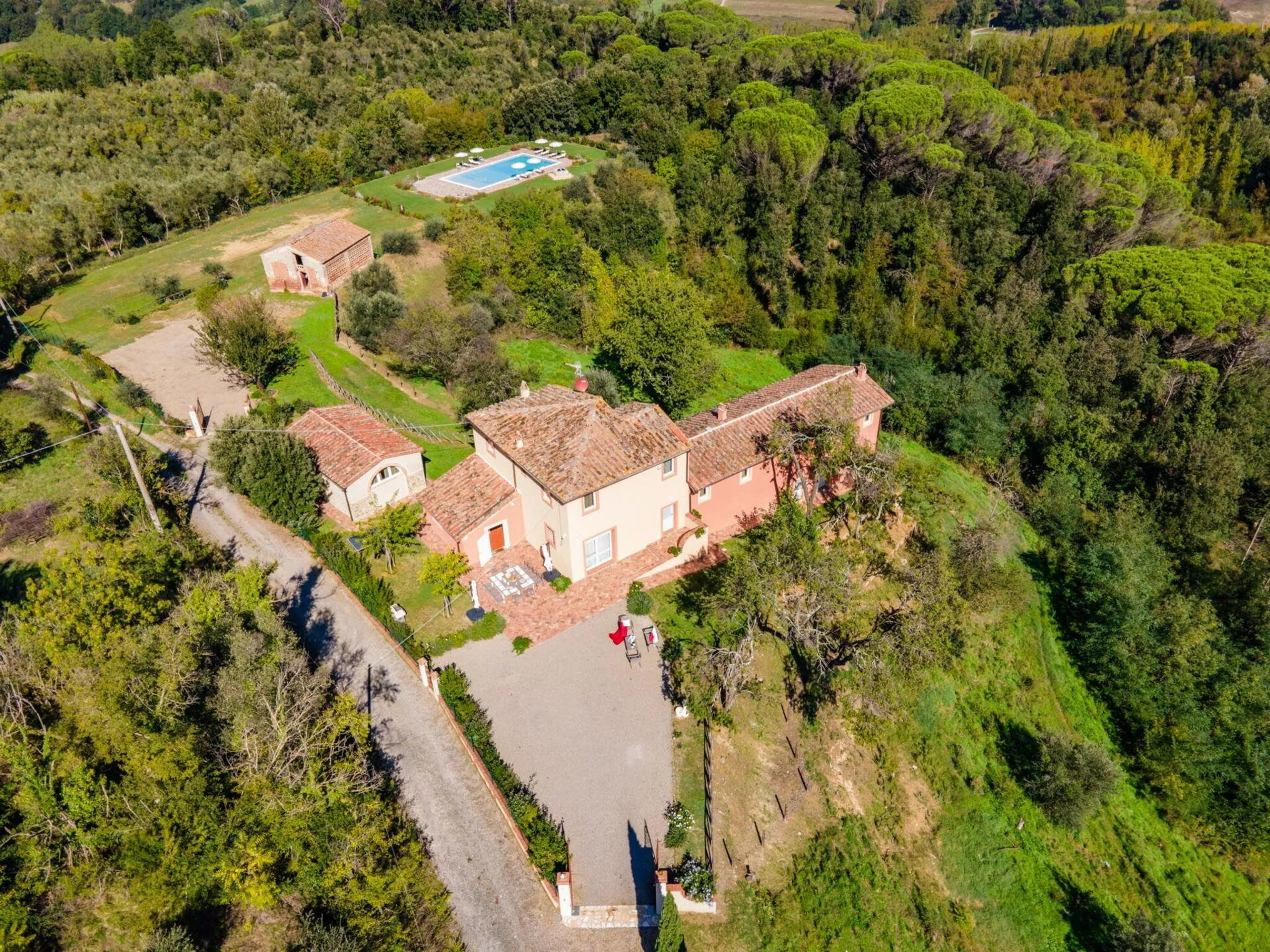
The Tuscan villa holiday has an enduring appeal because it offers a different relationship with time. You can return to the same village for bread, watch the landscape change through an afternoon, and decide that the most important reservation of the day is the table outside your own kitchen. A private home makes these ordinary pleasures feel central. The famous cities and celebrated vineyards remain available, but they no longer need to dictate every hour.
Begin with our Tuscany luxury villa collection, then use this story to shape a more personal shortlist.
The challenge is that Tuscany is not one landscape or one kind of holiday. Chianti, the Val d'Orcia, the countryside around Lucca, and the eastern towns create distinct experiences. Choosing between Tuscany luxury villas therefore begins with a smaller map. Select the area where you want daily life to happen, then use the rest of the region for deliberate excursions. A house that is supposedly convenient to everything can still leave you driving for almost every pleasure.
Chianti: a week measured in villages and long lunches
Chianti suits travelers who want the visual richness of wine country alongside small-town life. Greve, Panzano, Castellina, and Radda provide different points of orientation within the hills between Florence and Siena. Rather than treating them as stops to collect, choose one or two that help you understand where you would enjoy returning. A familiar café or a comfortable place for dinner can become more valuable than another destination on the map.
A villa near Radda in Chianti can make sense for guests drawn to that village scale. Other positions may better support outings toward Florence or Siena. The important comparison is not simply distance but the roads and daily journeys involved. Ask about the approach to the house and the practical route to dinner. A village that looks close across a valley may not be the easy walk you imagined from a photograph.
Wine can organize a day without consuming it. Choose one estate visit that matches your interests and allow time for conversation. Arrange suitable transport, then build the rest of the day lightly around the appointment. A village lunch, a stop for provisions, and a return to the pool can create a more satisfying sequence than several tastings pursued in quick succession.
Val d'Orcia: give the landscape permission to be the attraction
The Val d'Orcia invites a more expansive kind of looking. Here, choosing a villa with a comfortable relationship to the surrounding landscape can make time at home especially rewarding. Think about how the view is experienced from the rooms and terraces you will actually use. A panorama visible from one decorative balcony is different from a landscape that accompanies breakfast, reading, and dinner.
Pienza offers a useful town-centered counterpoint to a country stay. Its compact Renaissance setting rewards an unhurried visit, with time to appreciate the relationship between streets, civic spaces, and the views beyond. You do not need to attach several neighboring towns to the same morning. A focused visit and lunch can be enough, particularly when the afternoon offers the pleasure of returning to your own house.
Montalcino and Montepulciano suggest other directions for wine and town exploration. Choose between them according to genuine interest and the villa's location rather than treating their names as interchangeable requirements. The region feels more coherent when a day has a clear center. A house in open countryside also benefits from thoughtful provisioning, since a small errand may require a more deliberate journey than it would near a town.
Lucca: the pleasure of a town you can use repeatedly
Lucca is a strong reference point for travelers who want to alternate cultural outings with an easy domestic rhythm. The walls make the historic center's shape immediately understandable, while its streets offer many reasons to return without a major agenda. A morning can begin with a walk, continue through a square or church, and end with something brought back for lunch. The town becomes part of the stay rather than a single sightseeing event.
When comparing luxury villas near Lucca, distinguish a property close to the city from one set farther into the surrounding hills. Both can be appealing, but they support different patterns. If you expect frequent evenings in town, access and transport deserve more weight. If the intention is to spend long days in gardens and around the pool, a more removed position may feel entirely appropriate.
This area can suit groups with varied interests. Some guests may want an urban morning while others remain at the villa, with everyone reconvening later. That arrangement works best when independent movement is practical. Discuss how the group will share vehicles or arrange transfers so the holiday does not become dependent on one person's willingness to drive everyone everywhere.
Florence: let one great experience lead the day
A Tuscan country house can provide access to Florence without requiring a city-centered holiday. The contrast is part of the attraction: a day among major works of art, followed by a quieter evening in the landscape. But that contrast works only if the journey is realistic for the villa's location and the group's energy. Decide how many city visits you actually want before choosing a rural base primarily on the promise of being “near Florence.”
For a first visit, one substantial museum experience can anchor the day. The Uffizi deserves attention rather than being squeezed between several other major attractions. Confirm current admission arrangements directly, then leave the surrounding hours flexible. A walk, a meal, and time across the Arno can provide a more generous encounter with the city than an uninterrupted sequence of queues and appointments.
Mixed groups need not share identical cultural appetites. Agree on a meeting place and allow independent time when that makes the day better. Someone interested in a longer museum visit and someone who prefers wandering can still share an excellent lunch. A private villa holiday should make room for those differences rather than requiring everyone to experience Tuscany in the same way.
Siena and Arezzo: choose your cultural direction
Siena can provide a powerful counterpoint to a country stay, particularly for travelers oriented toward central and southern Tuscany. Its historic streets reward a slower pace than the driving journey that brings you there. Give yourself time to move through the center without trying to turn every pause into another scheduled attraction. A city visit should feel like a change of register, not simply another item in a busy rural itinerary.
Arezzo suggests a different geographical emphasis. Piazza Grande and the artistic heritage associated with the city can give an eastern Tuscan stay a clear cultural focus. The surrounding valleys and towns make that choice more than an alternative day trip. A villa oriented toward Arezzo supports a different week from one near Lucca, and that difference is worth embracing rather than trying to erase through long daily drives.
Use three desired outings to test a possible base. If all three fall in one part of Tuscany, that is a strong argument for looking there first. If they are widely scattered, decide which matter most. The region does not need to be exhausted in a single visit. A coherent week often leaves a stronger impression than a geographically ambitious one.
The villa kitchen and the long table
A Tuscan villa changes the role of food in a holiday. Shopping can become part of the pleasure, and a meal need not require leaving the house. Even guests who do not want to cook may enjoy choosing provisions, discussing a menu, or bringing something back from a village. The kitchen and dining spaces should therefore be evaluated as lived-in parts of the experience rather than simply additional rooms in the listing.
If you want a private chef, begin with the kind of evening you imagine. A relaxed meal after a city day differs from a celebration planned around the table. Confirm the menu process, purchasing, service, cleanup, and dietary requirements. If a cooking session is proposed, clarify whether it is hands-on, how many people can participate comfortably, and what the arrangement includes. Do not assume that every private meal automatically becomes a cooking experience.
Choose a home with a dining setting that works for your group in more than one condition. A beautiful open terrace is appealing, but covered space and an indoor alternative provide flexibility. Comfortable chairs and enough room around the table may matter more than elaborate styling. The best meal of the week could be the simplest one, provided everyone wants to remain at the table.
Historic character and everyday comfort should be considered together
Many travelers are drawn to Tuscan properties because of their architecture and sense of history. Stone walls, layered rooms, and buildings arranged around gardens can create a compelling atmosphere. Those qualities should be enjoyed with a clear understanding of the layout. Ask where bedrooms sit, how floors connect, and whether moving between spaces requires outdoor access. Character does not describe the same practical arrangement in every house.
Cooling, screens, bathrooms, and indoor seating deserve straightforward questions. A restored country home may provide a different kind of comfort from a contemporary villa, and neither description alone establishes whether it suits your group. Review the specific features that matter for your travel dates and preferences. If someone requires a step-free route or a particular bathroom setup, seek concrete information rather than broad reassurance.
Outdoor living requires the same care. Check where shade falls, how the pool relates to the house, and whether the garden offers comfortable places for different activities. A family with small children will read the landscape differently from a group of couples. The goal is a property whose atmosphere and practical qualities reinforce each other, allowing the beauty of the setting to feel easy to inhabit.
A week that gives the house time to become familiar
Start with a quiet first day. Visit a nearby town for essentials, settle into the kitchen, and see how the villa feels through the afternoon. This is not wasted sightseeing time. It establishes the habits that make a private stay different from a sequence of hotel nights. You may discover a preferred breakfast spot or decide that the house is particularly enjoyable during the hours you initially planned to be elsewhere.
Place the more demanding outing in the middle of the week, with a lighter day afterward. A Florence visit, a longer drive, or a substantial wine appointment can be rewarding without becoming part of an exhausting sequence. Alternate outward-looking days with home-centered ones. The contrast gives each more value: the excursion provides stimulation, and the villa provides space to absorb it.
Keep the final days open enough to repeat what you liked. Returning to a village can reveal a different mood, and a second meal at a favorite table may feel more personal than trying somewhere new. Familiarity is not a failure of curiosity. It is one of the rewards of staying long enough to develop a small relationship with a place.
Transport is what makes rural freedom possible
A country villa offers independence, but that independence needs a practical transport plan. Consider the number of guests, luggage, parking, and the property's final approach. If several households are traveling together, one vehicle may not support the different days people want. Discuss this before arrival so ordinary choices do not require constant negotiation.
For wine visits and longer outings, arrange suitable transport around the experience rather than treating it as an afterthought. If guests prefer not to drive, be clear about how transfers will be organized and what spontaneity is realistic. A remote-feeling property can be deeply appealing, provided the group has chosen that relationship with the surrounding towns consciously.
Arrival day should remain simple. Ask for precise directions, a contact for changes, and an explanation of how access will work. Provision the first breakfast and plan an easy evening meal. These modest arrangements allow the house to welcome you on its own terms, without the first hours becoming a search for supplies after a long journey.
Choose your Tuscany, then choose your home
The final villa comparison should bring geography, layout, service, and cost into the same conversation. Review proposals for the same dates and group size, with the same assumptions about meals and additional arrangements. Clarify essential features before committing, and read the booking conditions carefully. A beautiful view is part of the decision, but it should not be asked to answer every practical question.
The strongest Tuscany luxury villa is not necessarily the grandest estate or the one closest to the most famous city. It is the home that supports the life you want for that week: village mornings, art-filled outings, afternoons by the pool, and dinners that last because nobody needs to leave. Choose that life first, and the property search becomes both more focused and more pleasurable.
Find your own place in Tuscany
Explore these homes in the current collection, then compare layout, location and the services proposed for your dates.
- Elegant Legoli Villa with Private Pool in Pisa Hills
- Resplendent Luxury Estate in Cortona with Private Pool and Dining Al-Fresco
- Exquisite Renaissance-Style Villa with Private Pool, Italian Garden and Florence Views
Explore the full Tuscany destination guide and villas · Plan with your concierge · Share your stay brief