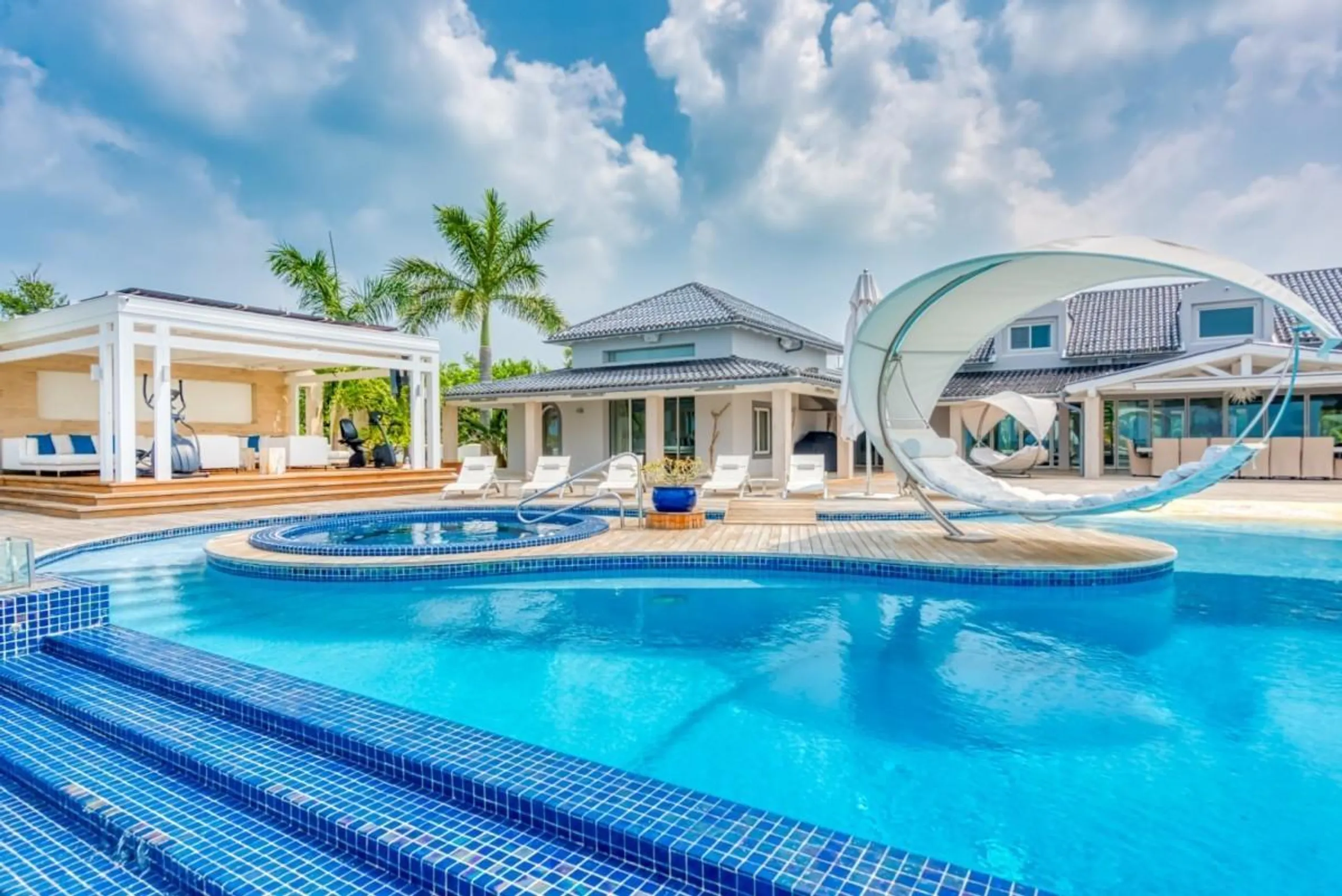
Contemporary Beach Front Villa in Plum Bay with Stunning Views and Amenities
Terres Basses · 6 bedrooms · 12 guests
From $12,143 / night
 LUXERETREATS®PRIVATE VILLAS. SHARED MOMENTS.
BEYOND THE PUBLIC COLLECTION
The villas below are just a sampling. Many homes are offered as private or pocket listings. Tell us your dates and what you have in mind, and request a personal selection by email.
Inquire for private listingsExplore the collection. Rates and availability are confirmed for your travel dates.
Terres Basses · 6 bedrooms · 12 guests
From $12,143 / night
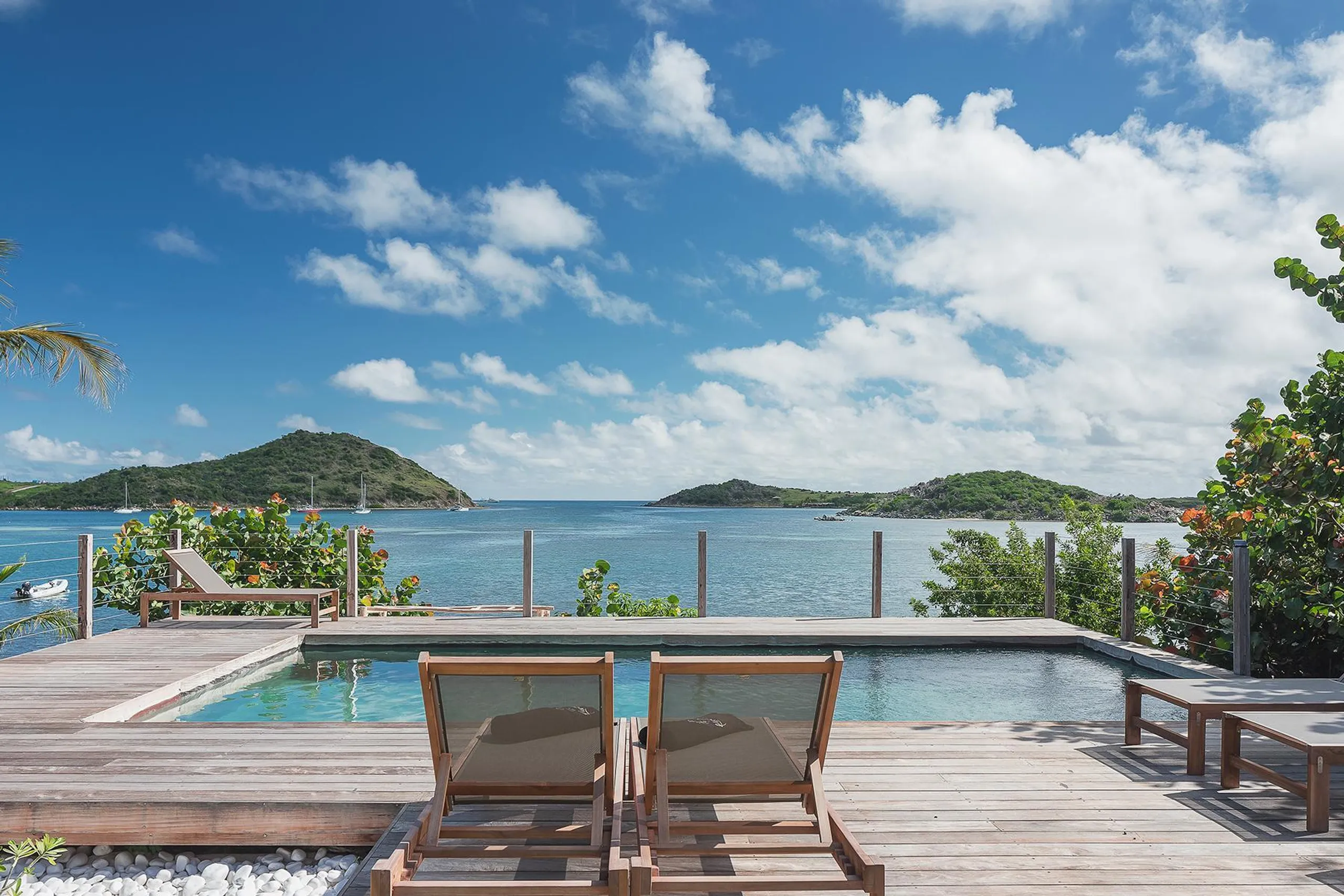
Cul De Sac · 5 bedrooms · 10 guests
From $8,206 / night
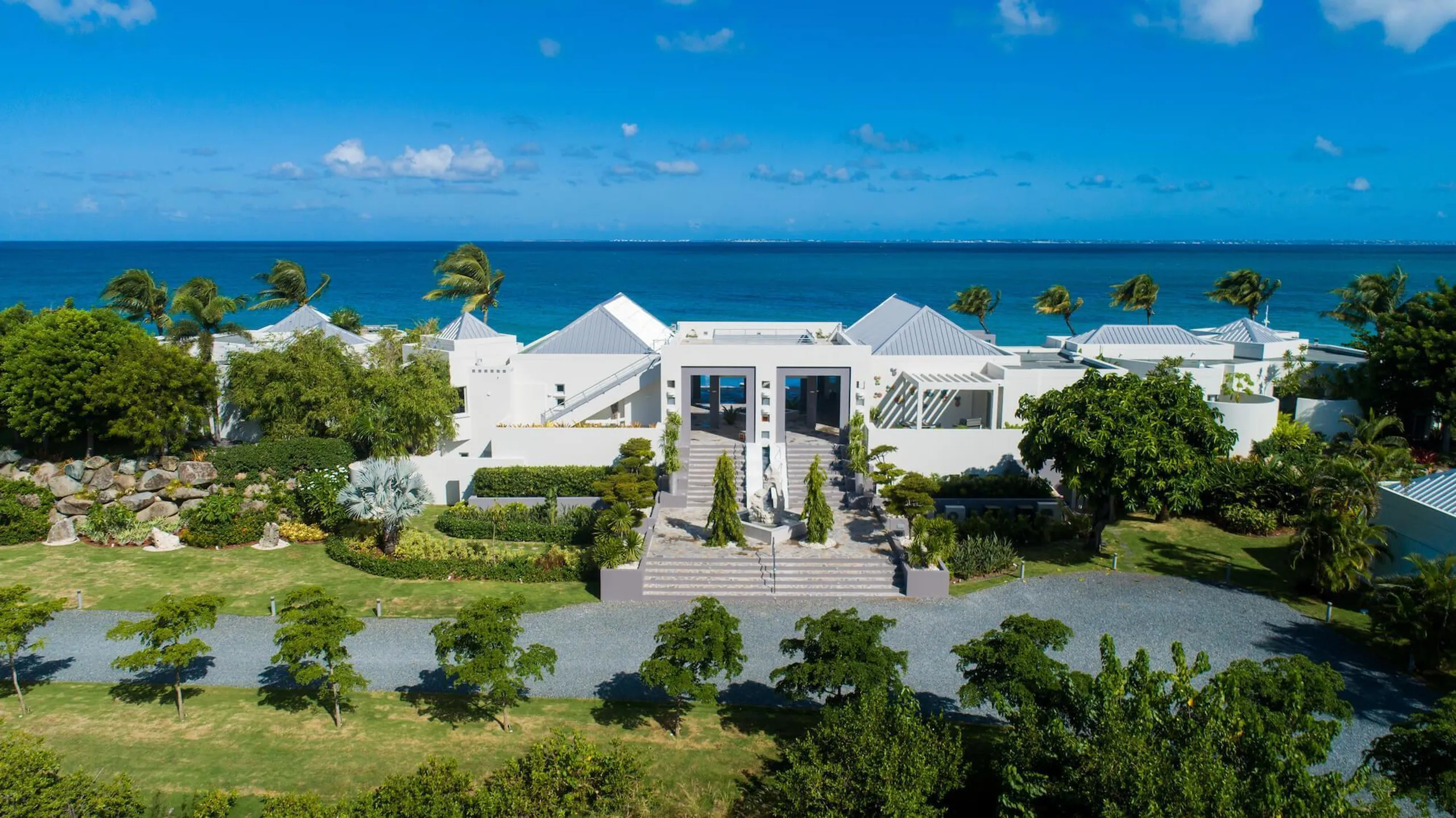
Terres Basses · 7 bedrooms · 14 guests
From $6,785.72 / night
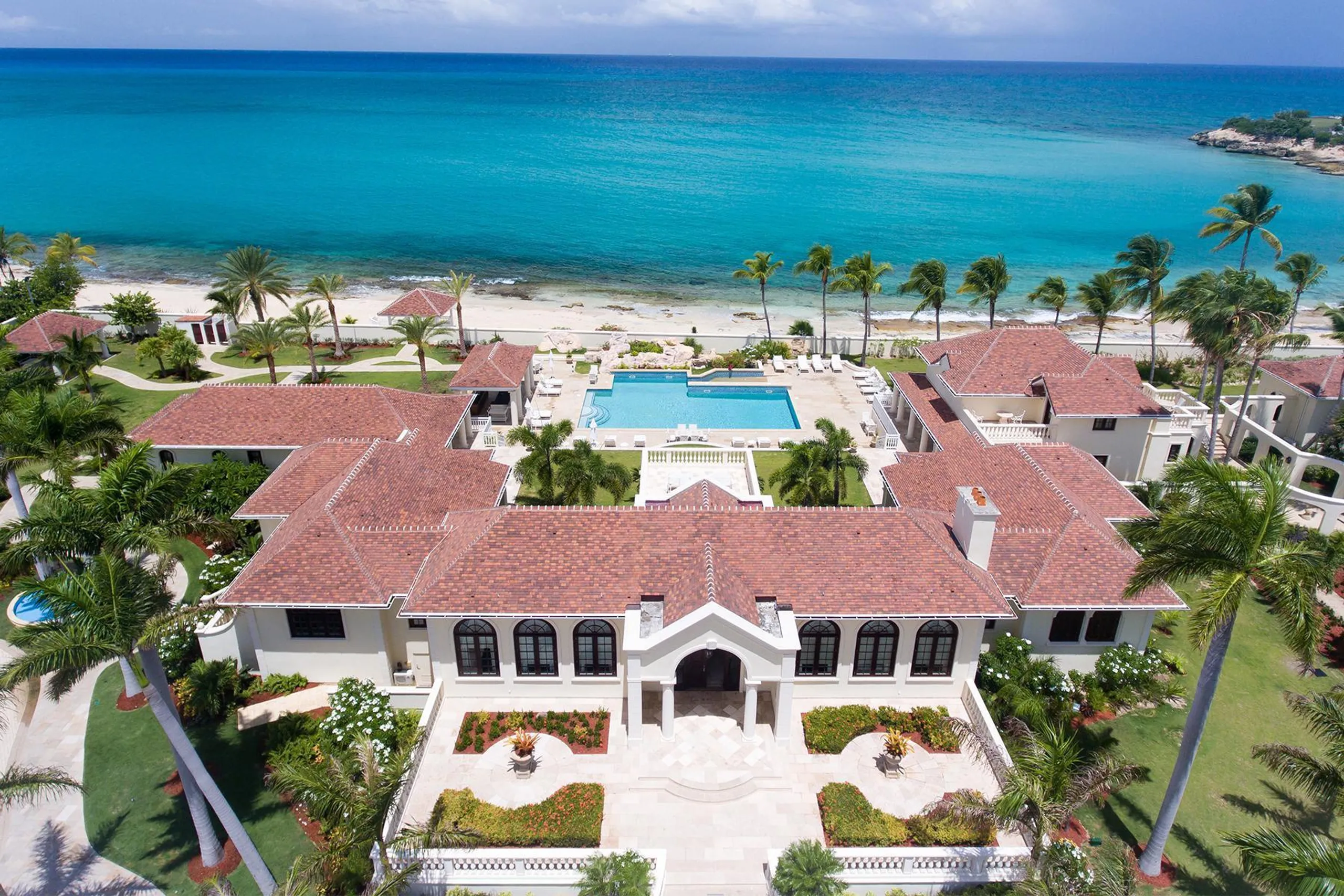
Plum Bay · 10 bedrooms · 20 guests
From $6,429 / night
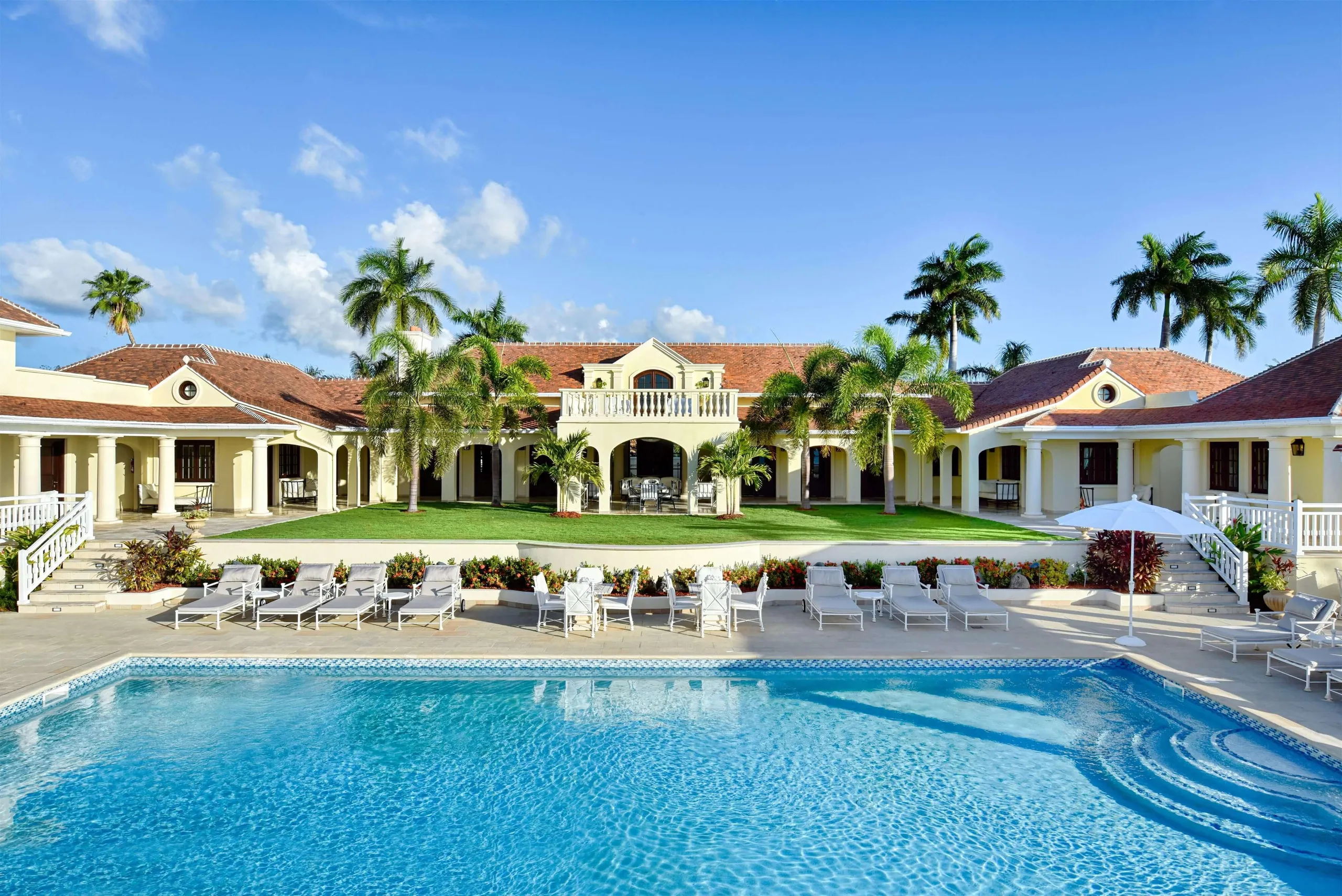
Terres Basses · 10 bedrooms · 20 guests
From $6,428.58 / night
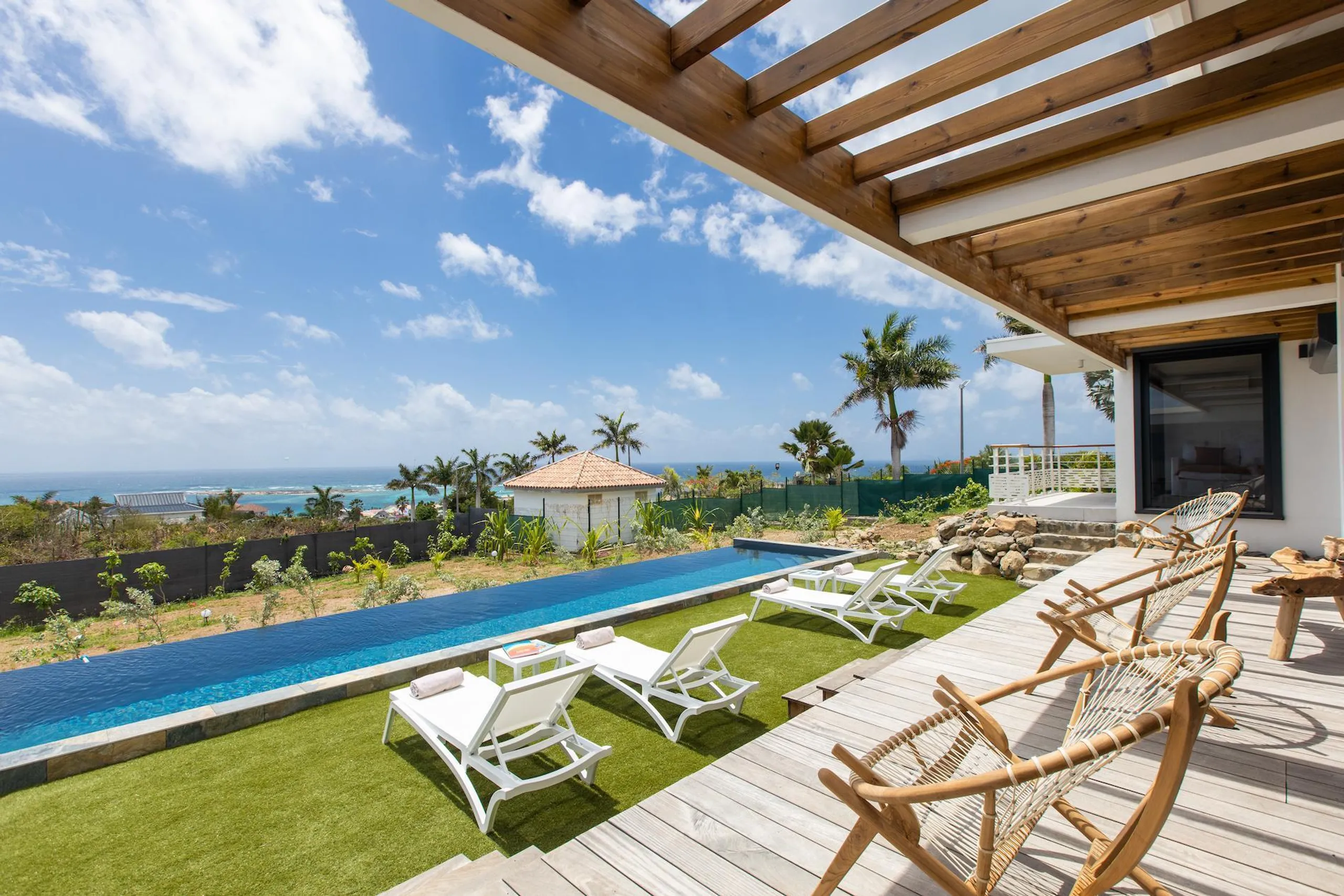
Orient Bay · 4 bedrooms · 8 guests
From $6,195 / night
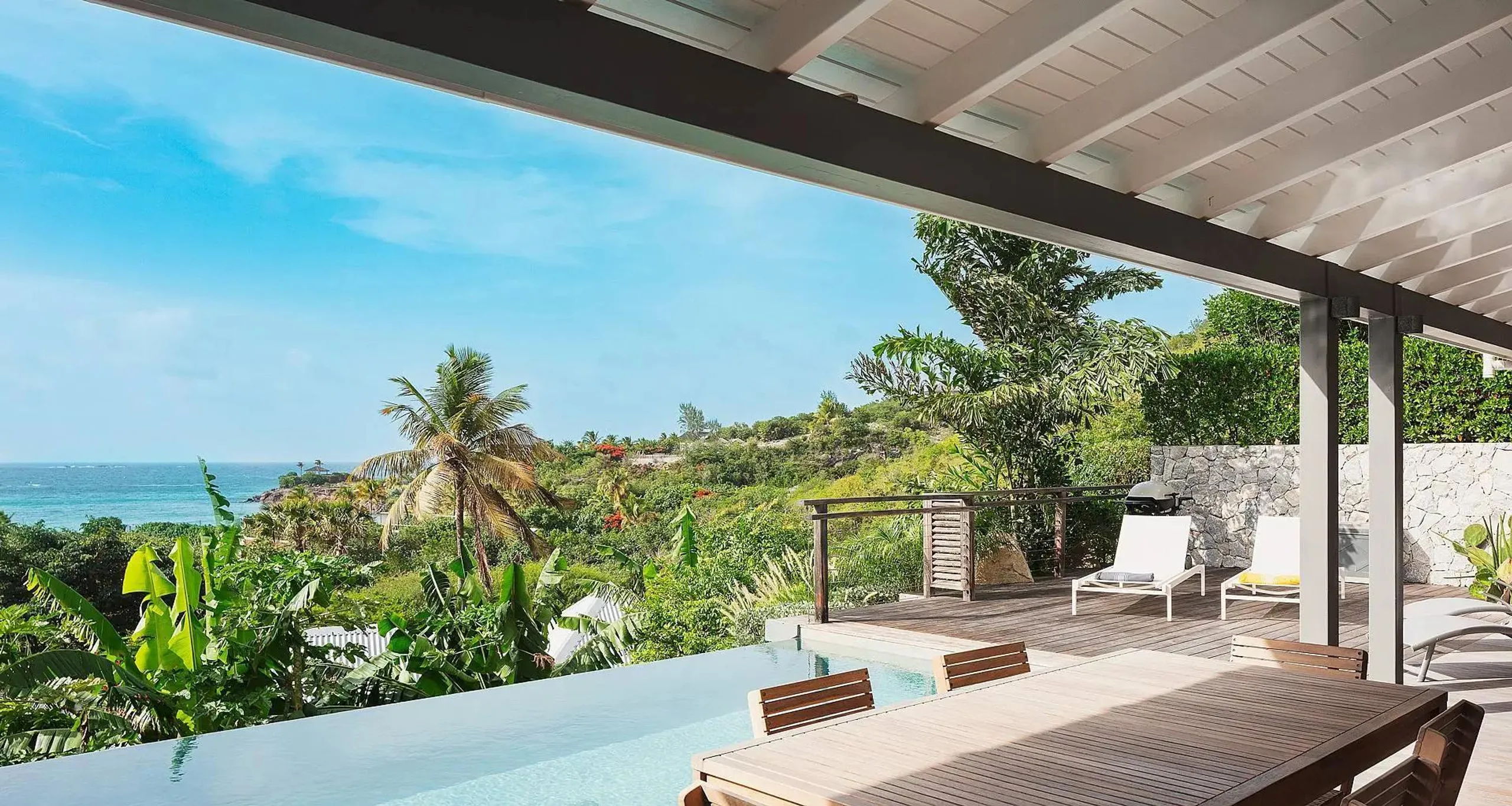
Cul De Sac · 3 bedrooms · 6 guests
From $5,500 / night
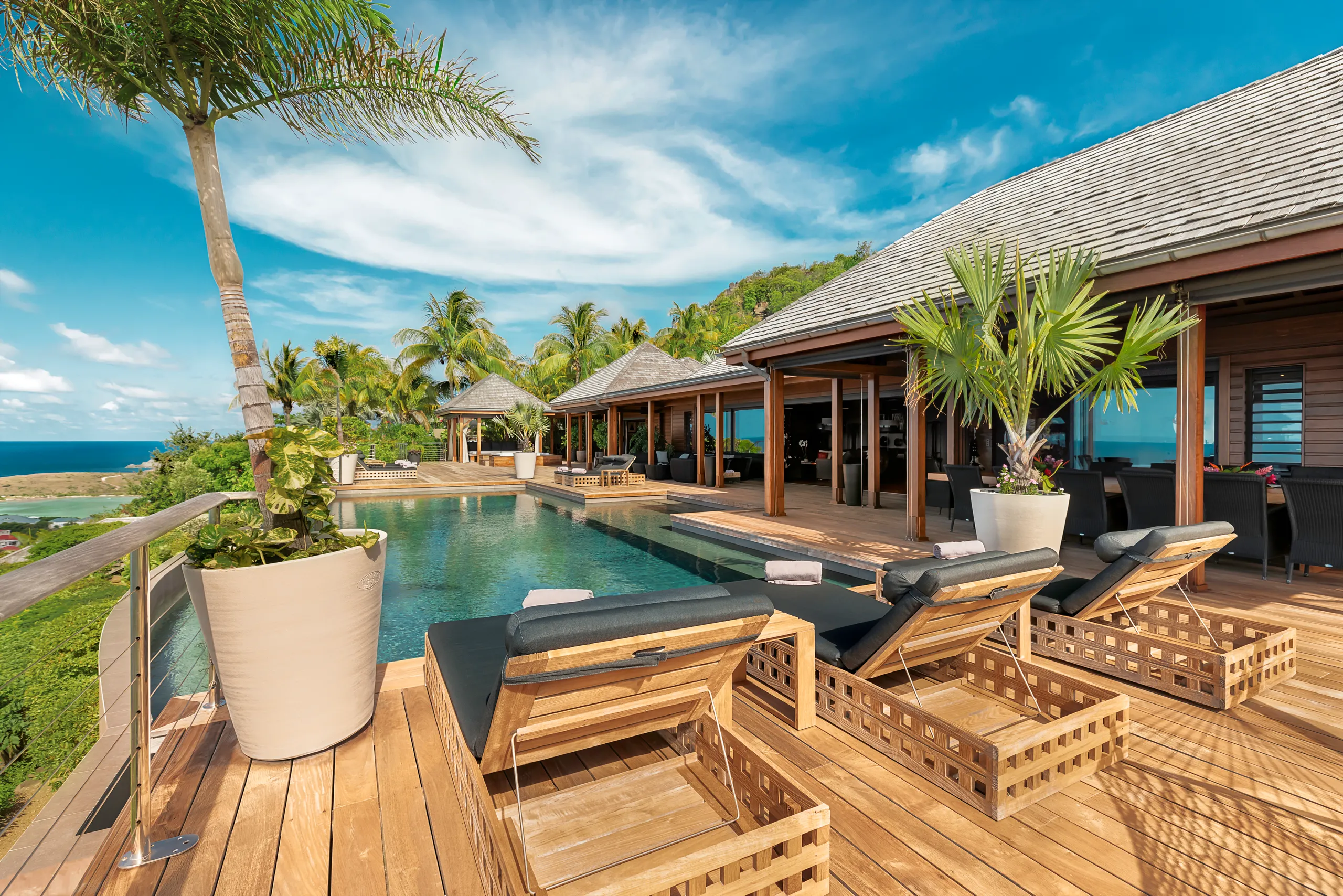
Marigot · 7 bedrooms · 14 guests
From $5,428.58 / night
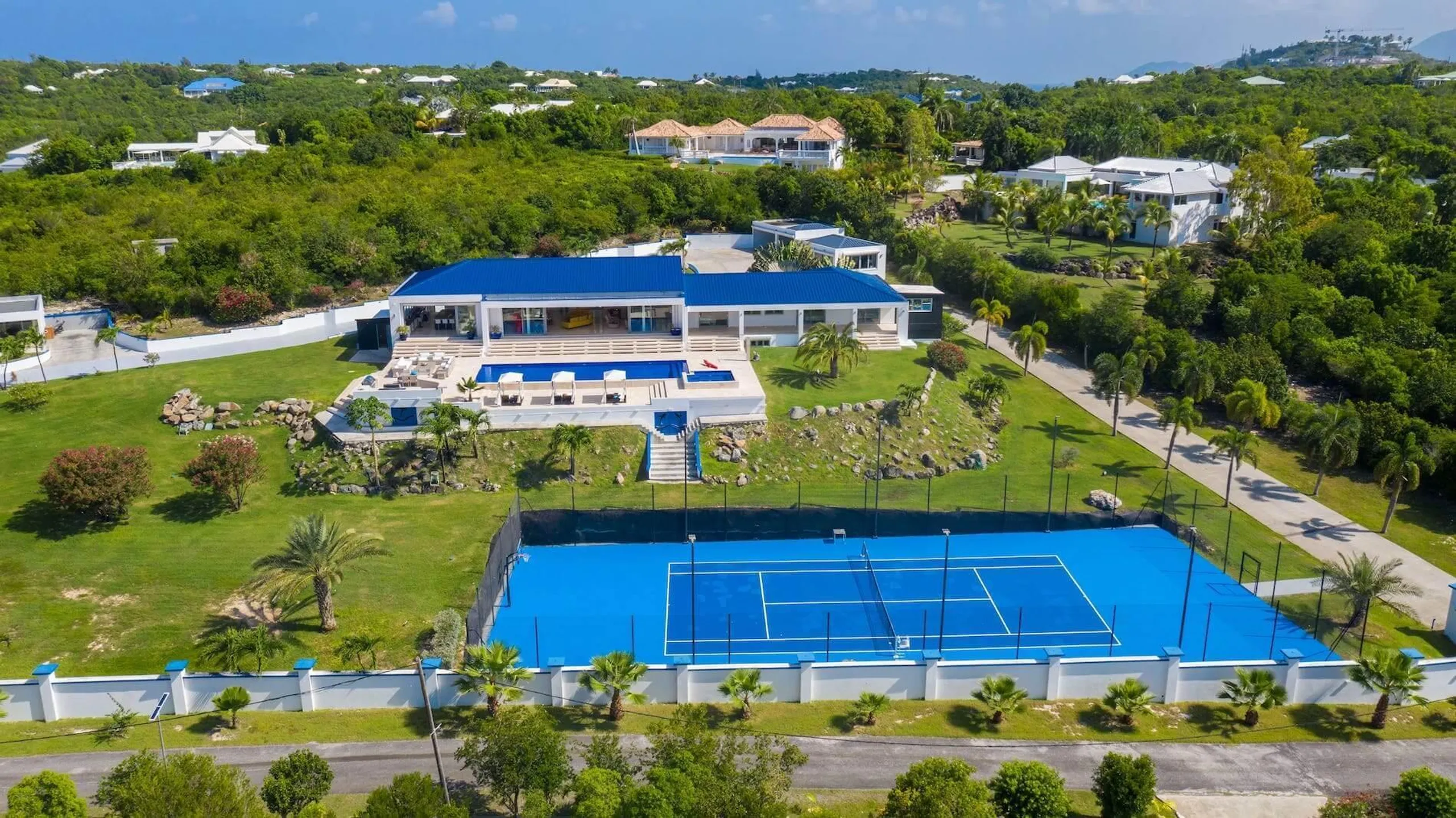
Terres Basses · — bedrooms · — guests
From $5,114.28 / night
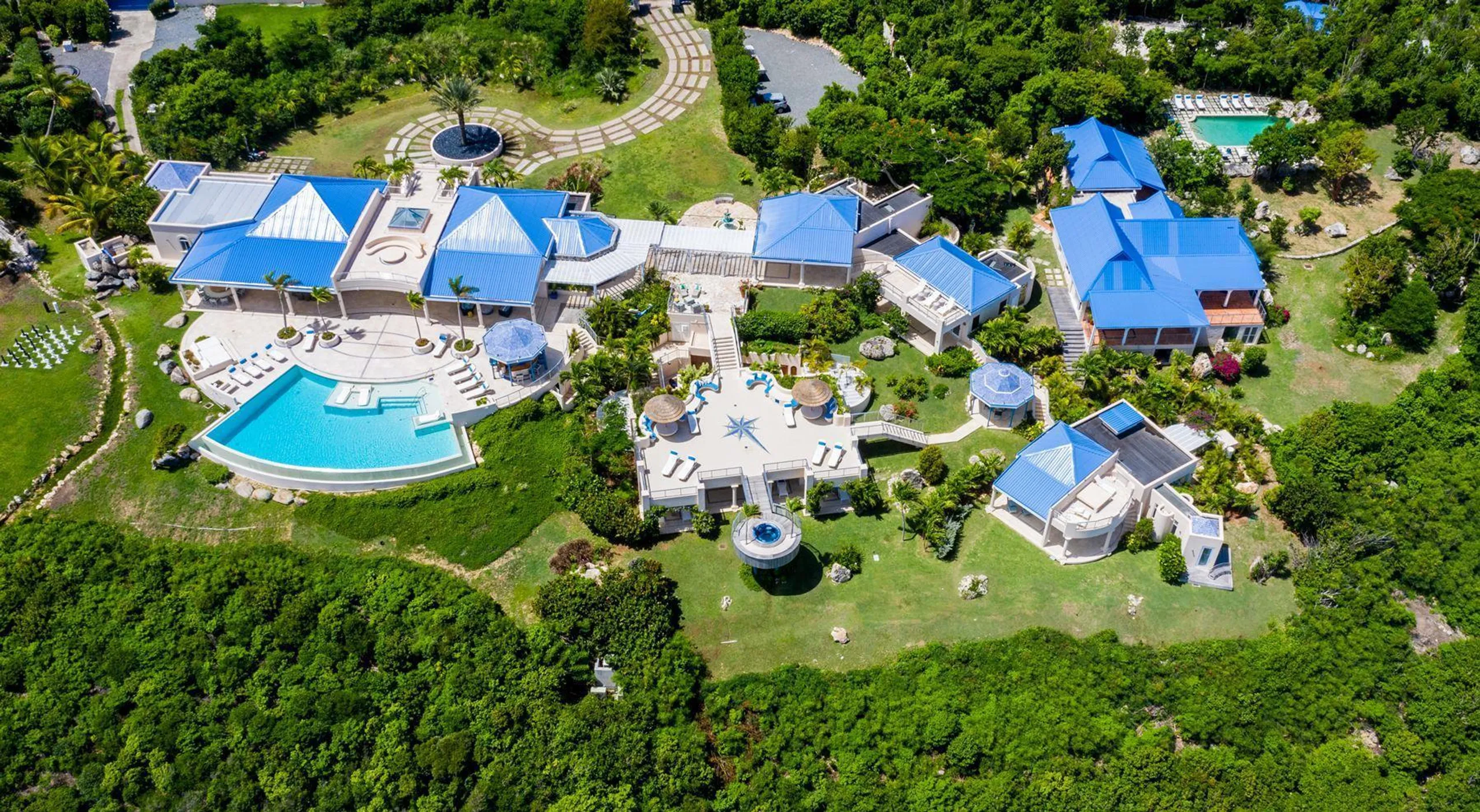
Terres Basses · 13 bedrooms · 26 guests
From $5,000 / night
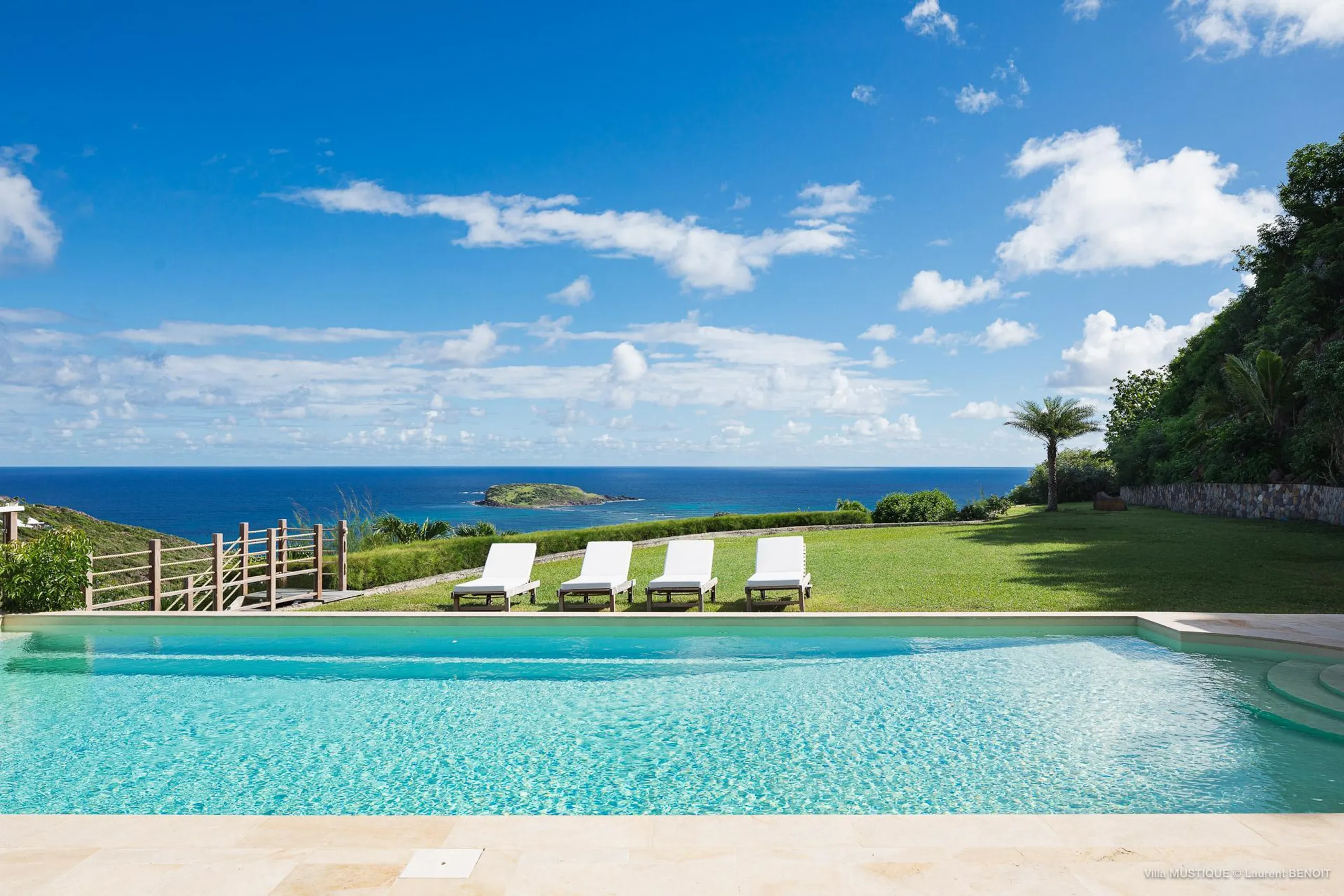
Marigot · 4 bedrooms · 8 guests
From $5,000 / night
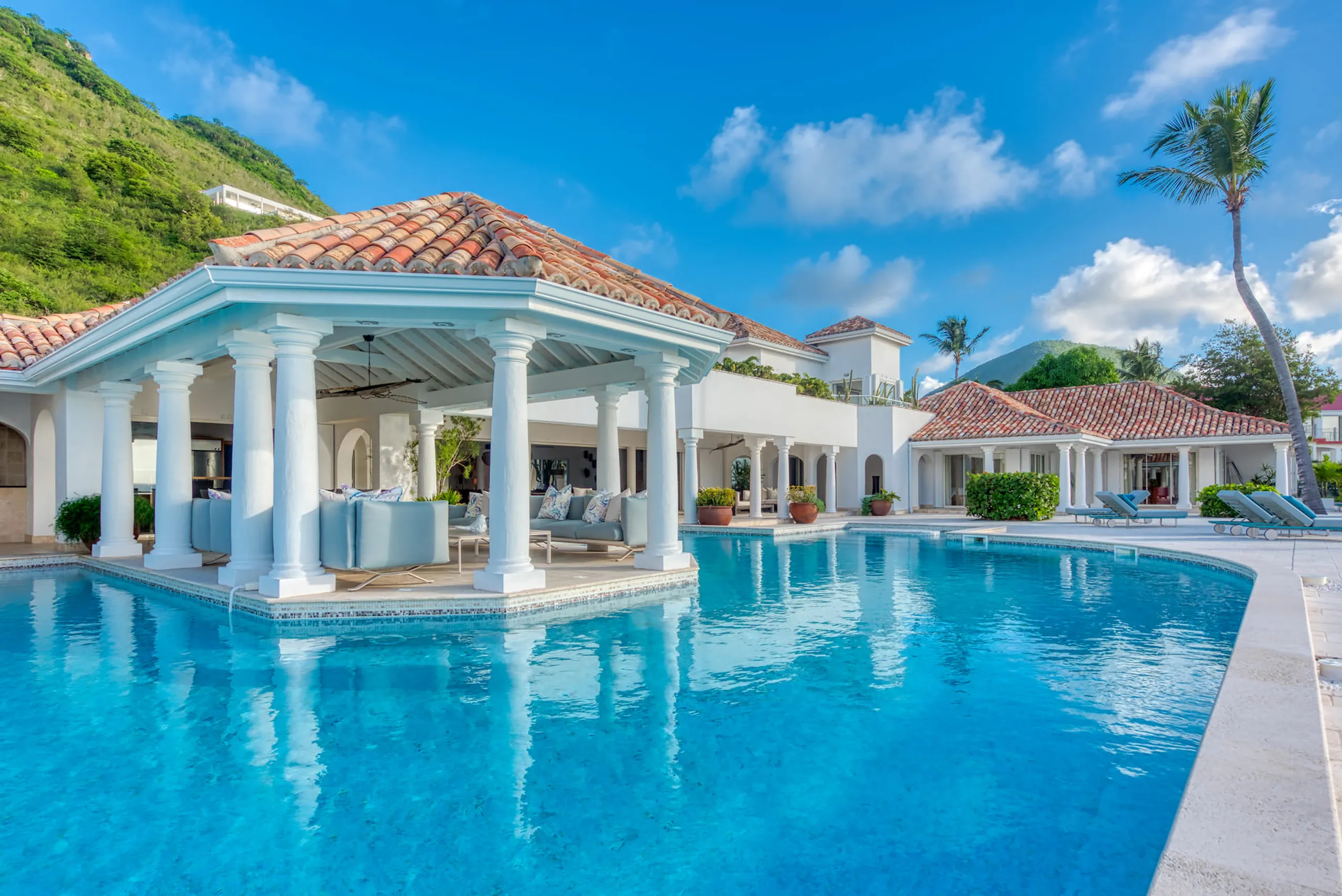
Grand Case · 6 bedrooms · 12 guests
From $4,914 / night
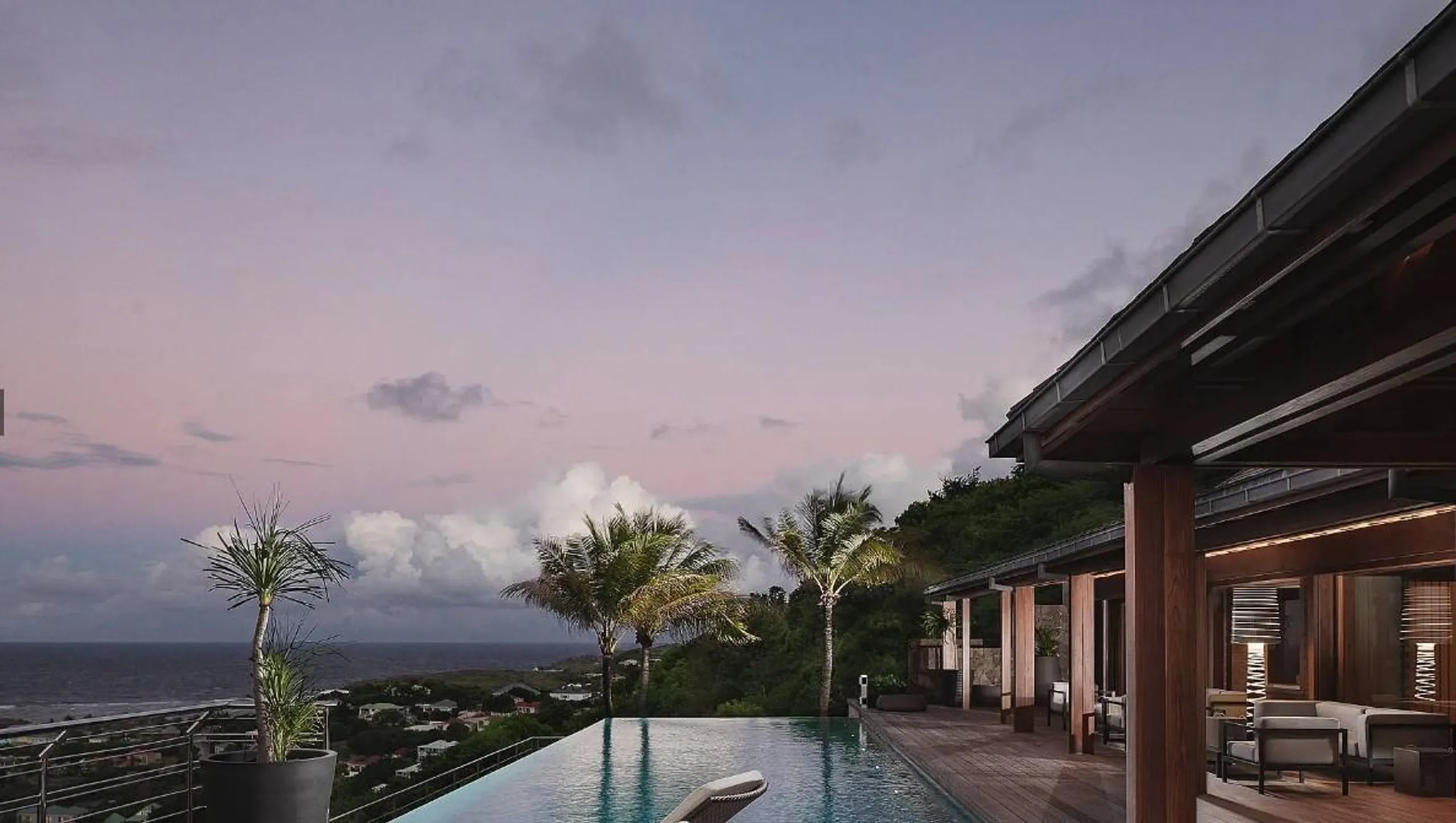
Marigot · 6 bedrooms · 12 guests
From $4,857.15 / night
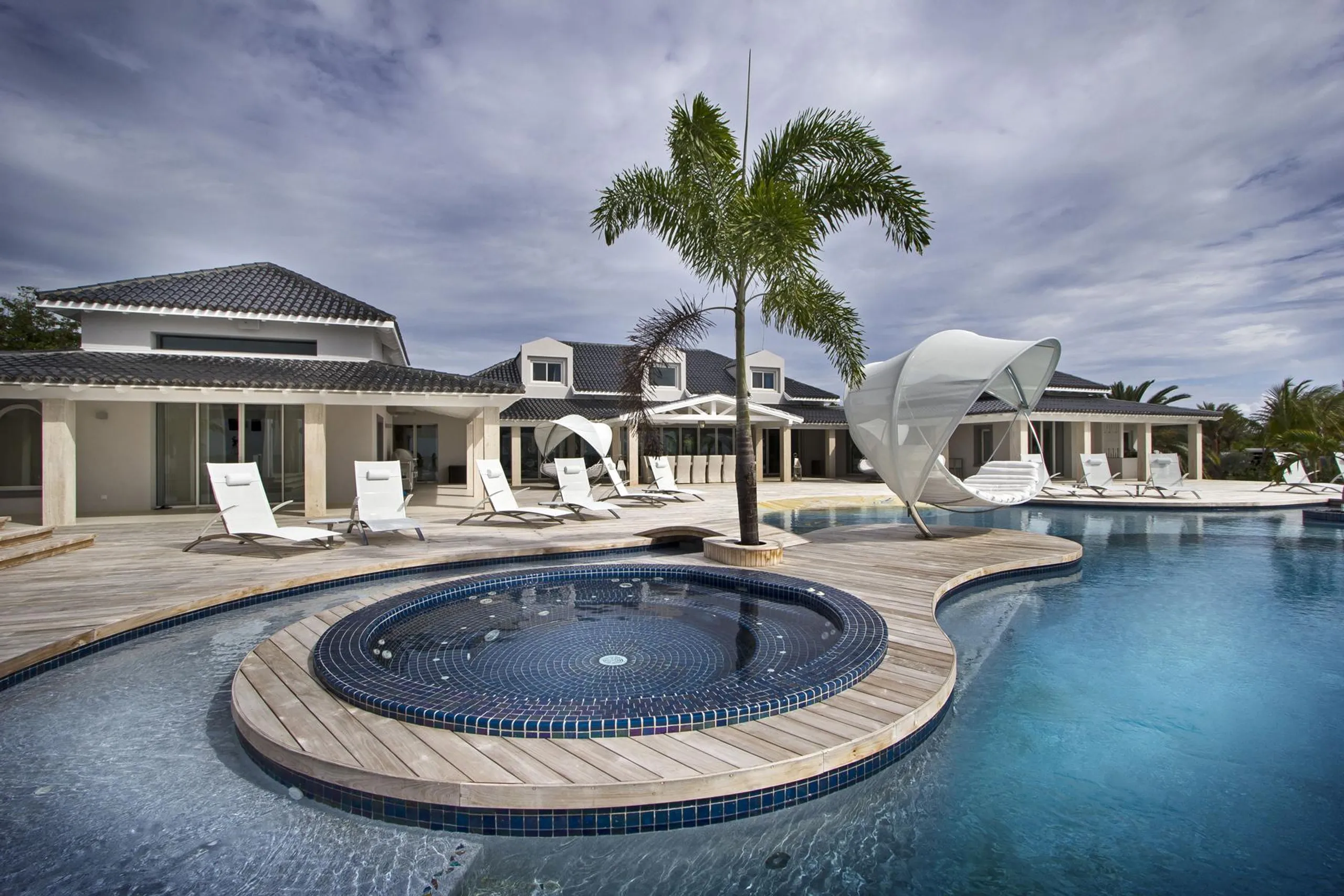
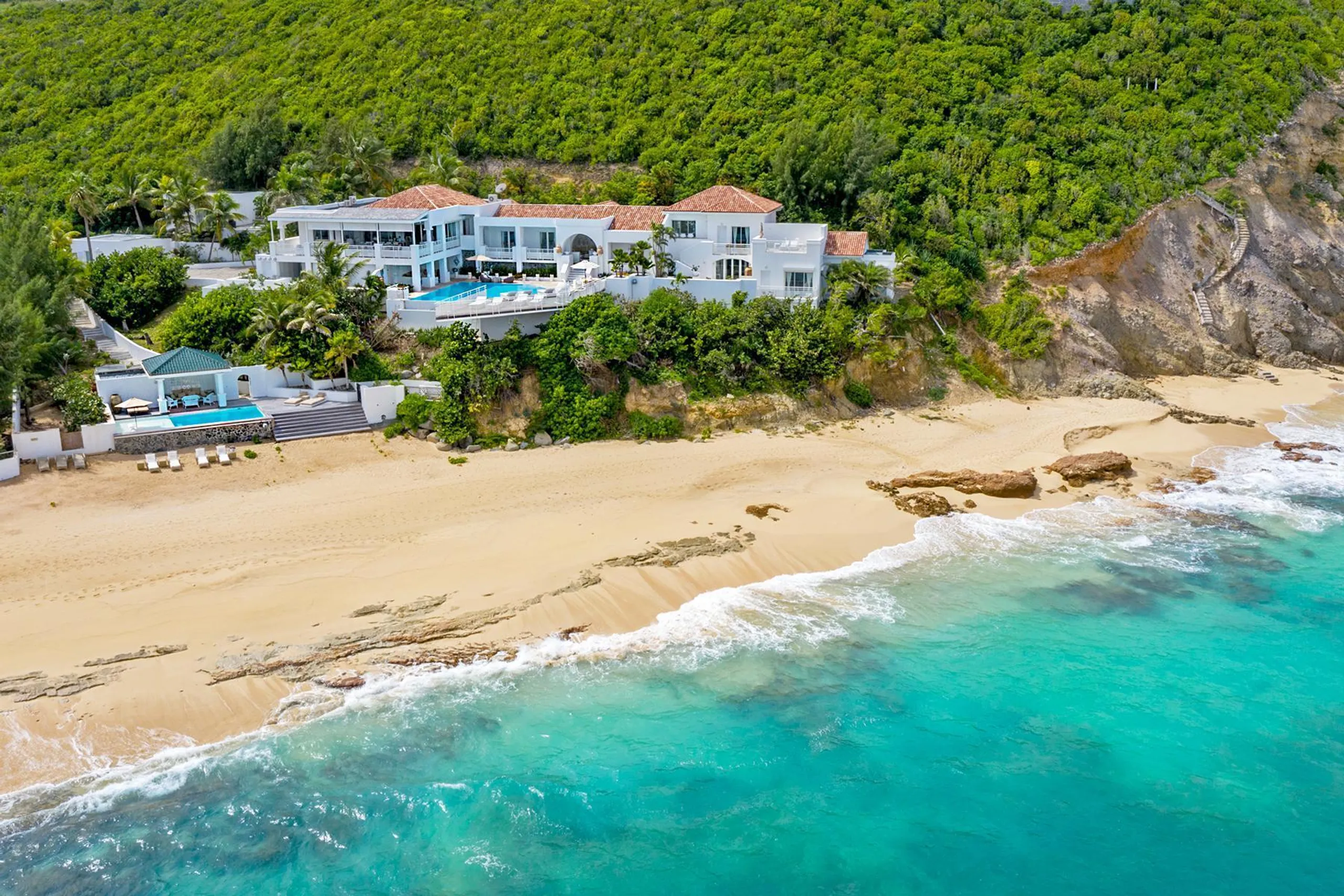
Terres Basses · 6 bedrooms · 12 guests
From $4,518 / night
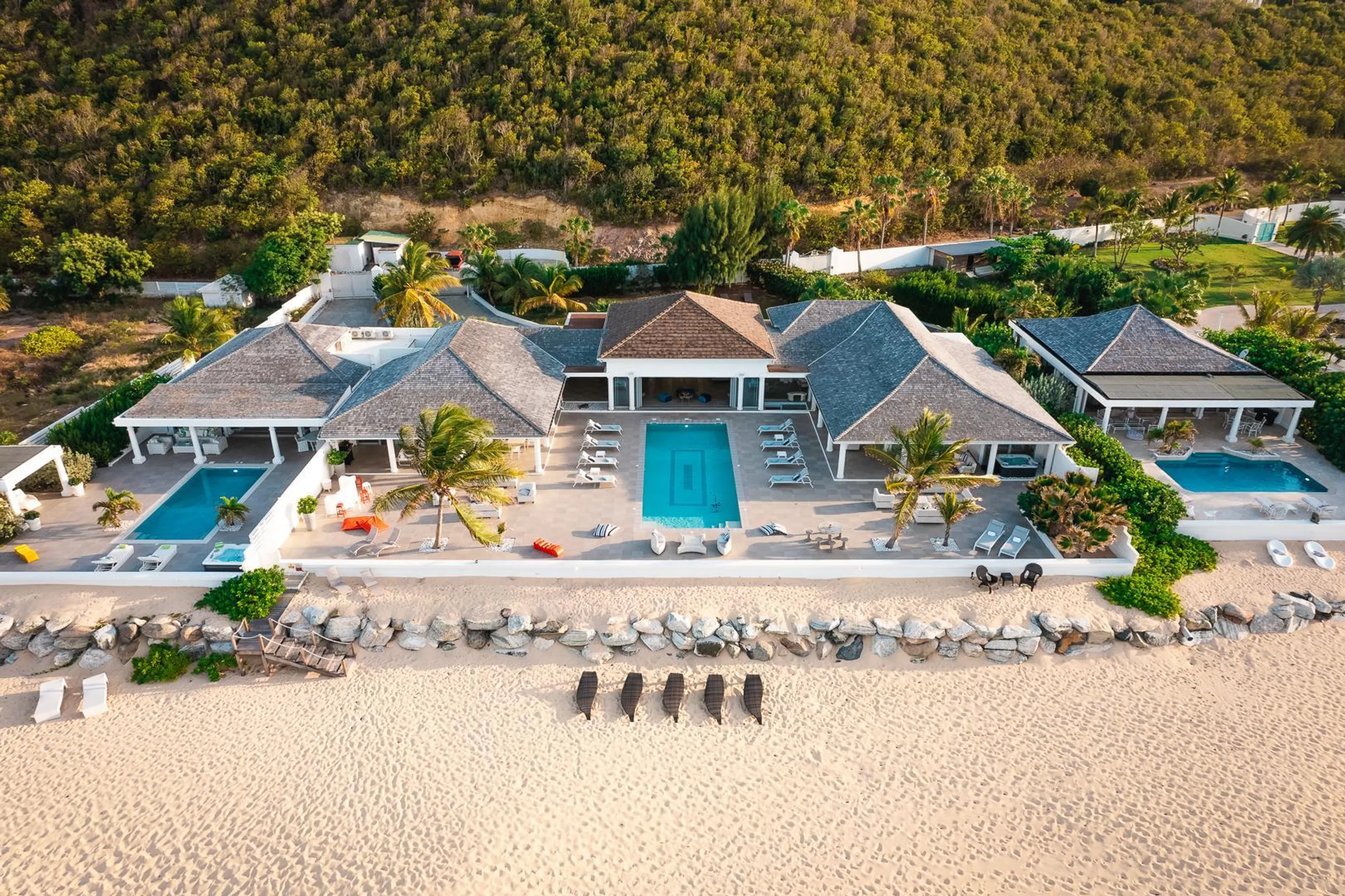
Terres Basses · 7 bedrooms · 14 guests
From $4,250 / night
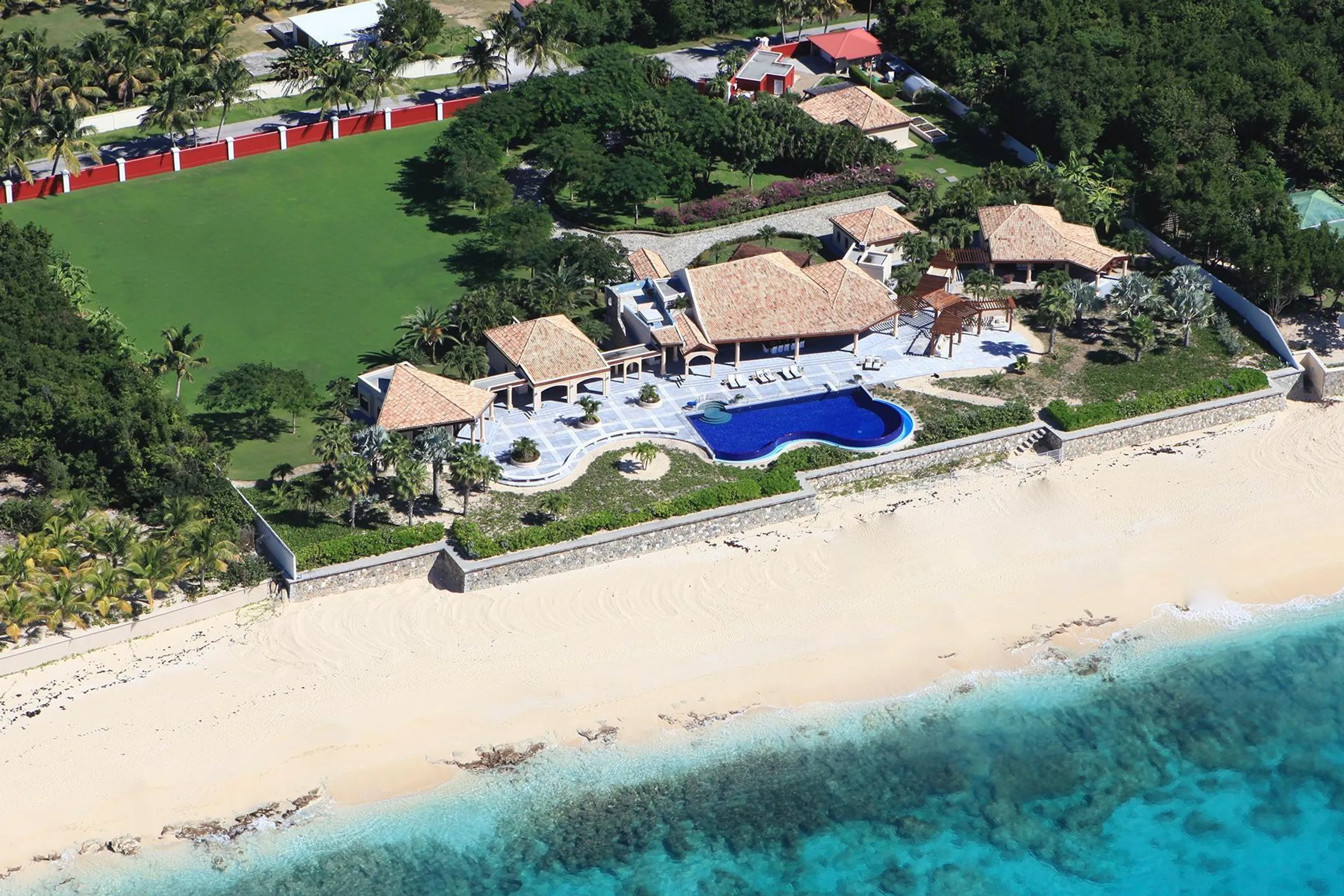
Terres Basses · 5 bedrooms · 10 guests
From $3,914 / night
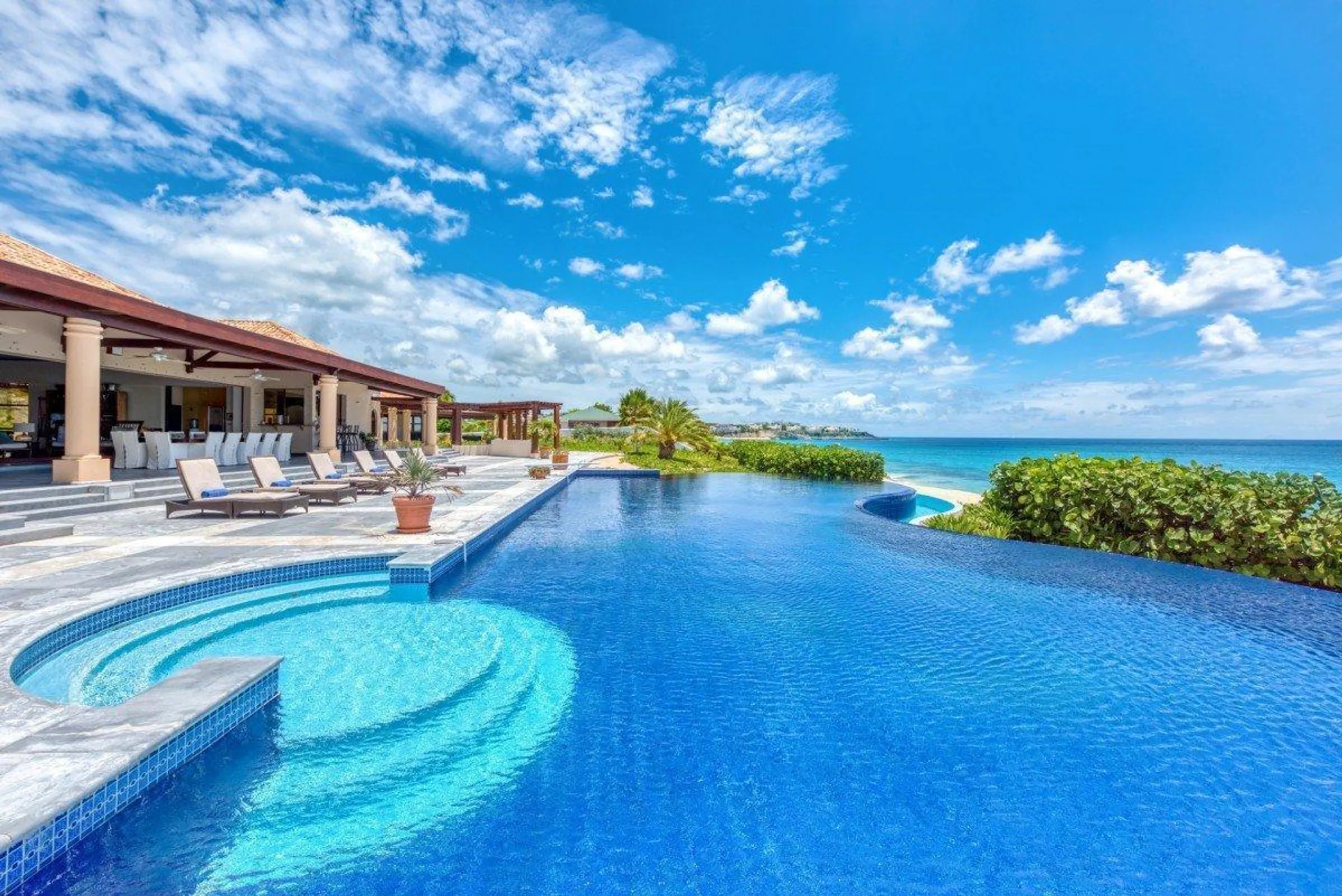
Terres Basses · 5 bedrooms · 10 guests
From $3,650 / night
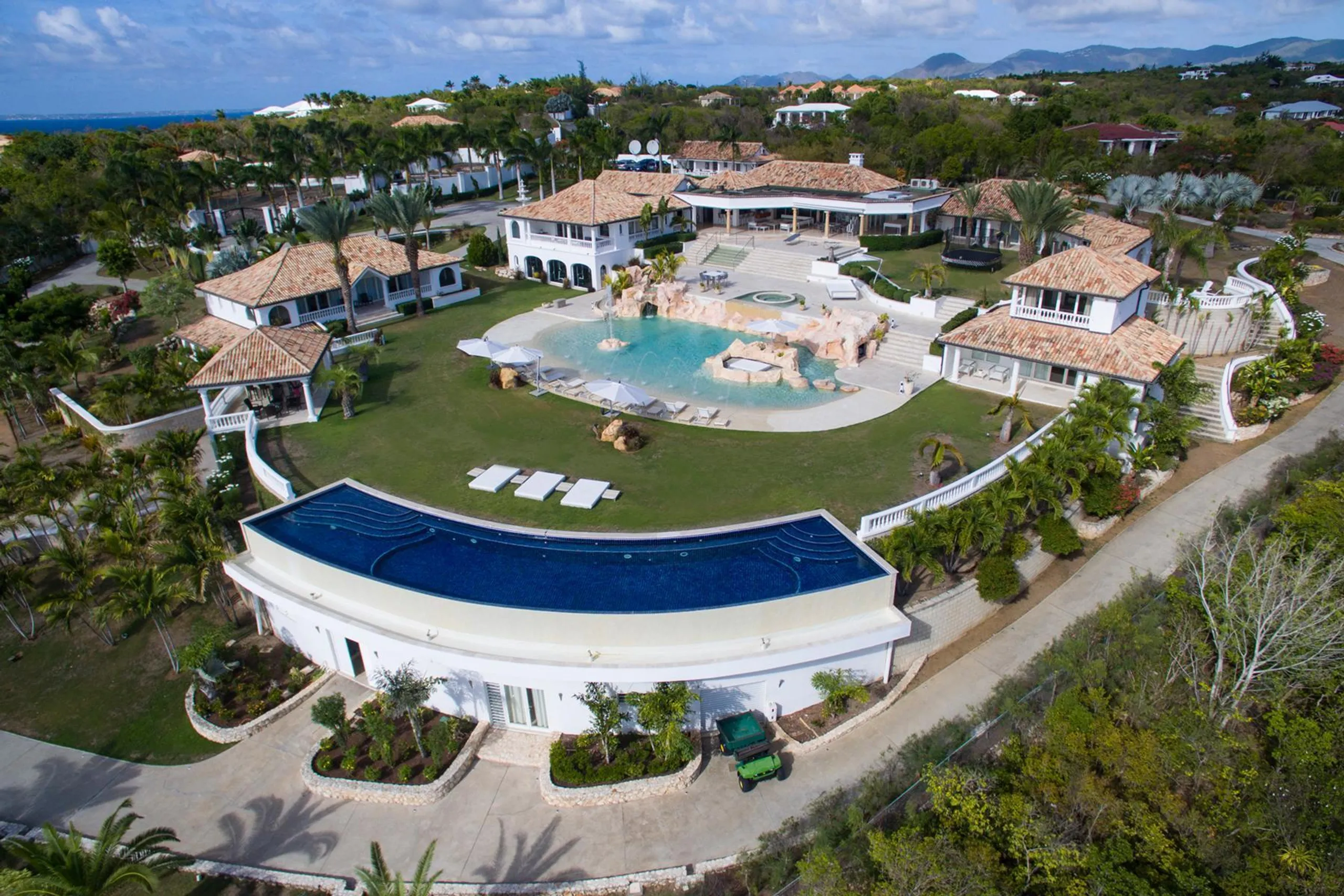
Terres Basses · 7 bedrooms · 14 guests
From $3,500 / night
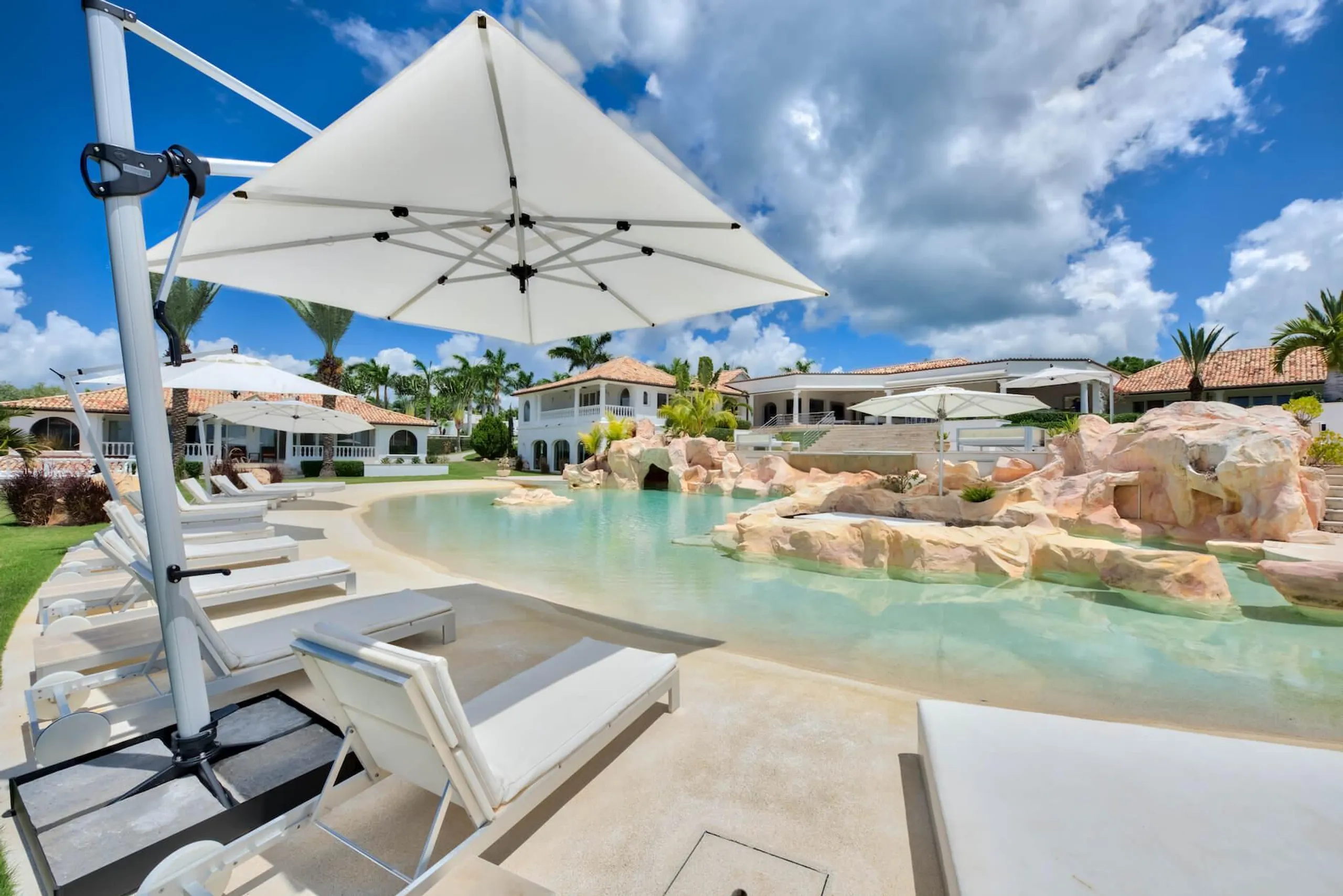
Terres Basses · 6 bedrooms · 14 guests
From $3,500 / night
This collection lists 66 villas as of 2026-09-14. Country and regional pages include homes in their linked local areas. These are catalog counts, not date-specific availability.
Listed starting rates in this collection begin at $1,200 USD per night. Luxe Retreats features villas with starting rates of at least $1,200 USD. Request a written proposal for your dates, including taxes, fees, and services.
Open individual villa pages to compare photographs, bedroom counts, guest capacity, and listed amenities. Use the planning guides to identify questions about room access, meals, and transport. Share the shortlisted references with your inquiry.
A listed home is not a confirmation of availability. The team must check your dates and the applicable booking terms. An inquiry does not take payment or hold a property.
Describe your preferred meals and experiences in your stay brief. Inclusions and provider availability vary by villa and date. Ask for a written scope and price before treating a service as confirmed.
The villas shown here are a sampling of our collection. Many homes are offered as private or pocket listings. Send an inquiry with your destination, dates and preferences to request additional options by email; availability is confirmed individually.
Compare your shortlist · Understand starting rates · Send a stay inquiry
These collections span multiple destinations. Use the villa’s location to keep your shortlist in your preferred area.
Explore the St. Martin destination guide for local areas, experiences and practical planning.
The public collection is a sampling. Additional private and pocket listings can be shared by email after your St. Martin inquiry, subject to availability.
An in-depth guide to private villa stays in St. Martin: Terres Basses, Grand Case, coastal design, tailored dining and time on the water.
St. Martin luxury villa rentals offer a remarkable choice within a compact island: a quiet estate near Baie Longue, a base for dinners in Grand Case, or a house oriented toward the beaches and offshore islands of the northeast. The French side is Saint-Martin; the southern Dutch side is Sint Maarten. Both belong to the same island experience, but their place names and arrival points should remain clear. A villa search becomes much more useful once it moves beyond the island label to the coast where daily life will unfold.
Terres Basses, also called the Lowlands, occupies a peninsula between Simpson Bay Lagoon and the Caribbean Sea. Its principal beach names are Baie Longue, Baie aux Prunes and Baie Rouge. The area overview places it between Marigot and Cupecoy, a useful orientation when comparing western houses with northern options. It is a landscape in which the private home often provides the center of the holiday.
Choose Terres Basses when an outdoor dining room, a pool terrace and time with your own party rank high. The contrast between lagoon and open sea also makes the direction of a view meaningful. Two properties close on a map can offer quite different visual experiences, and neither an estate address nor a sea view guarantees direct beach access.
The western position makes a carefully chosen evening around Cupecoy or Maho a different proposition from a dinner in Grand Case. That is a planning observation, not an instruction to stay in one corner. Include a northern day, but let the western bays and the house define most of the stay if Terres Basses is the location you love.
Grand Case rewards travelers who consider restaurants part of a destination's identity. The northern French-side village brings beach and boulevard into close relationship, making a meal feel connected to the bay rather than detached inside a generic resort environment. Its reputation is not solely about formality. The local barbecue establishments known as lolos belong to the same culinary landscape as French dining rooms.
The tourism guide's Grand Case introduction highlights that range, from French preparations to foods such as Johnny cakes and salt fish. For a visitor, the pleasure is in letting different meals have different roles. A casual lunch can be as revealing as the week's most carefully reserved dinner. Avoid measuring every stop by the standards of the most formal one.
A Grand Case villa stay makes sense when evenings in the village are central to the plan. Establish the actual route from house to boulevard; an elevated nearby property is not necessarily a pedestrian address. If you stay elsewhere, give Grand Case a proper afternoon and evening. Arriving only at reservation time misses the way the beach and village set the mood for dinner.
At Bistrot Caraïbes, lobster Thermidor is a named signature on the restaurant's own site. That gives the visitor a concrete reason to consider the restaurant beyond a broad claim that Grand Case is a gastronomic capital. The dish belongs to a French dining vocabulary, presented within a Caribbean setting. It can anchor an evening for a party that enjoys choosing a restaurant for a particular preparation.
Ocean 82 offers a different emphasis: French seafood cooking directly on the bay, with the restaurant describing views toward both the water and Boulevard de Grand Case. A waterfront table can make the transition from daylight to evening part of the meal. Reserve through current restaurant channels, particularly when a specific occasion or seating preference matters.
These two choices are a beginning, not a command to spend every evening in Grand Case. Allow a relaxed meal elsewhere and time around your own table. Our guide to private-chef villa dining explains how to arrange a home dinner as a separate service. A coherent food week has contrast: beach lunch, village dinner, a simple breakfast and one long evening that nobody needs to leave.
Orient Bay occupies a different place in the holiday. It is a broad, activity-oriented beach area on the French side, between the Oyster Bay and Cul-de-Sac areas. The tourism association's overview identifies both watersports and restaurants, making it a useful choice for a party whose members want different things from the same afternoon. Some can be active while others are content with lunch and a view.
The atmosphere is distinct from the estate-centered west. Orient Bay works well as a day with very little movement once you arrive: settle into the shore, take time for a meal and allow the beach to be the activity. Conditions govern what is appropriate in the water, and any lesson or equipment hire should be matched to experience rather than confidence alone.
A house in the northeast supports this coast naturally, while a western villa makes Orient Bay a more deliberate outing. Think of it as a contrast to Baie Longue or Grand Case, not a competitor that must be declared the best beach. The island becomes more interesting when different shorelines are allowed to provide different pleasures.
The offshore islands introduce a quieter scale. Pinel is associated with outings from the French Cul-de-Sac side; Tintamarre lies farther into a boat-day imagination, with an undeveloped setting that differs from the mainland's busy coastal districts. The Tintamarre guide describes a sandy western shore and rocky eastern formations, alongside traces of the island's earlier human uses. A good excursion recognizes that contrast rather than treating the island as an empty amenity.
The Saint-Martin Nature Reserve protects a connected group of ecosystems in the northeast, including reefs, seagrass, mangroves, ponds and coastal dry forest. For visitors, that connection is the important idea: activity on the water is inseparable from care for the habitats beneath and around it. Follow operator and reserve guidance on moorings, wildlife and permitted activities.
Choose the boat experience for the party you have. Families unfamiliar with boats may enjoy a simpler outing more than a long itinerary, while keen snorkelers can discuss suitable sites with a qualified operator. Wildlife is a possibility to observe respectfully, never a guaranteed appointment. Leave enough flexibility for conditions to change the day's route.
Marigot offers the urban counterpoint to the island's beach districts. Its market, waterfront and streets deserve attention before the day becomes hot or the group becomes hungry. The Marigot guide identifies Fort Louis above the bay, the Lady Liberty monument commemorating abolition, and the Fish Woman statue honoring the fishing community. Together they suggest several ways to read the town beyond its shops.
Choose a small sequence: waterfront, a relevant monument, time around the market and a café pause. A visit is more satisfying when there is room to look at the relationship between everyday commerce and the sea. Fort Louis adds an elevated perspective, but it should be considered in light of the group's mobility and conditions rather than imposed as the essential photograph.
Marigot is especially useful for a villa stay because it makes provisioning and exploration feel connected. Shopping for the house can be part of the holiday when it involves curiosity about food and place rather than an exhausted errand on arrival. Keep practical purchases manageable, then return home for a lunch that uses the terrace you chose so carefully.
The island's hills offer a reset after several days of bays. Pic Paradis is the highest peak, and the surrounding area lies between the Marigot and Grand Case sides of the island. The change in elevation and vegetation introduces a spatial understanding that is difficult to gain from coastal roads alone. The island starts to look like a connected landscape rather than a sequence of beaches.
A walking outing should be planned through current local guidance, with a route suited to fitness, footwear and weather. The attraction is the landscape, not a need to turn the day into an endurance test. Loterie Farm is associated with this inland area; distinguish any booked leisure experience there from an independent walking plan, because access and activities are specific arrangements.
For a mixed party, an inland morning can be optional while others remain at the villa. Meeting later for lunch is one of the advantages of a house with enough shared space. If everyone joins, keep the afternoon light. An outing that leaves time for a pool and conversation often contributes more to a holiday than a longer schedule that makes dinner feel like another task.
A French-side villa need not imply a French-side-only holiday. Philipsburg, Simpson Bay, Maho and Cupecoy have their own roles in the island's visitor geography, identified in the island areas guide. They can add shopping, a marina setting or a different evening atmosphere. The distinction is helpful because it allows you to describe what you actually want to experience instead of vaguely requesting a tour of the other side.
Choose one purpose for a cross-island outing. A Philipsburg visit and a leisurely dinner elsewhere may work together, but a circuit of every major district can flatten their differences. Road conditions, traffic and the precise departure point affect the day more than the island's compact outline suggests. Plan the return before a late evening, especially if the group will split up.
For travelers attracted primarily by the familiar images of aircraft near Maho, remember that viewing aviation does not justify approaching hazardous airport boundaries or ignoring signs. There is plenty to enjoy about this side without turning the experience into a risky photograph. Let the island's everyday contrasts, rather than a single social-media image, guide the visit.
St. Martin's season affects restaurant calendars, demand and the mood of the coast as well as weather. Tropical showers and wind can alter outdoor plans, and quieter months may coincide with business closures. A restaurant-centered trip therefore deserves a review of actual operating dates, while a house-centered week may be more flexible. Neither approach requires promises of uninterrupted sunshine.
Princess Juliana International Airport is on the Dutch side; Grand Case–Espérance is the French-side airport. Those names are not interchangeable when arranging a transfer. Give the driver the exact house information and make the first meal easy. After a travel day, an organized arrival provides more tangible comfort than an ambitious dinner reservation across the island.
The villa arrival checklist is useful here, especially for groups arriving on different flights. Once everyone is settled, organize outings by coast rather than by a long wish list. Grand Case and the northern beaches can share one day; the western bays and Marigot can shape another. Leave the weather-dependent boat outing some room to move.
A successful St. Martin private villa stay balances the pleasure of home with the island's specificity. A breakfast on the terrace means more when the following day includes Grand Case's boulevard, Marigot's waterfront or the northeast's protected seascapes. The house should enable these experiences without becoming a logistics project. Choose its location in relation to the two or three places that matter most to your party.
If the central desire is simply a beach-led island retreat, Anguilla is a useful separate comparison across the water. If St. Martin's combination of dining, contrasting districts and compact variety is the draw, let that guide the shortlist. Our article on choosing your island retreat helps distinguish those intentions before a particular pool photograph takes over the decision.
Send a St. Martin villa inquiry with dates, party details and the area that best matches your plans. Public villas are a sampling; additional private or pocket listings may be shared by email after inquiry, subject to availability.
In St. Martin, the outdoor room often determines whether a villa feels generous throughout the day. A pool photograph shows a moment; a holiday requires several different uses of the same space. Ask where breakfast is shaded, whether an afternoon reader can remain outside comfortably, and how the dining terrace works after dark. A broad terrace without shelter may be less useful than a smaller, carefully arranged outdoor living area. The relevant measure is how easily the house allows people to spend time together without doing everything together.
Look at orientation as a practical design choice. A view across Simpson Bay Lagoon is not the same experience as an outlook toward the open Caribbean, and both differ from an eastern coastal aspect. Light, wind exposure and the position of neighboring houses can change the character of a poolside afternoon. Request recent photographs from the spaces where you expect to sit. A distant aerial image may describe the setting beautifully while revealing little about the privacy of an ordinary breakfast.
In Terres Basses, compare the relationship between the main house and guest suites. Detached rooms can give adult friends welcome independence, while a family may prefer internal circulation. Ask how paths are lit and whether the route between rooms becomes exposed in rain. The strongest property for a multigenerational party may be the one with the simplest arrangement, not the largest grounds. Privacy has value only when everyone can move through the house confidently and comfortably.
Use the St. Martin villa selection to begin a conversation about these everyday experiences. State what matters most: private bedrooms, a long shaded lunch table, staff able to work discreetly, or a beach reached without a drive. Those specifics help define a meaningful shortlist. A house should earn its place through the way it supports the stay, rather than through a string of interchangeable luxury adjectives.
A staffed stay begins with a conversation about how you want to live. Some guests value breakfast prepared before anyone wakes; others prefer a quiet kitchen until late morning. A chef may be most useful for selected dinners rather than every meal. Housekeeping can support privacy when its timing is agreed, while unplanned arrivals can interrupt a slow afternoon. Before booking, establish which services are included, which can be arranged and who coordinates the people involved. The word staffed should never stand in for an actual description.
For a Lowlands house, think about the days when nobody intends to leave. Groceries, meals, clean towels and comfortable outdoor seating become the background that makes those days effortless. Ask how requests are handled, what notice a change requires and which hours are covered. The answer need not be elaborate to be good. A clearly defined service arrangement is preferable to an expansive promise whose practical limits only become visible after arrival.
Discuss discretion directly if it matters to the party. Agree where suppliers enter, when bedrooms are serviced and how a private dinner is set up. Guests working during part of the holiday may need a quiet interval and a stable place for calls, while others may want the shared terrace active throughout the day. A thoughtful schedule can accommodate both. It is also considerate to staff: a clear brief prevents repeated changes and gives the team enough time to do its work well.
Our guide to a private St. Martin house week describes a stay shaped around the villa. It is a planning approach, not a promise that every property offers identical services. Ask for the arrangements in writing and identify the person responsible for confirming them. Good hospitality becomes most noticeable when the guests no longer need to think about its organization.
The private table can provide a gentle structure for a St. Martin stay. Keep breakfast familiar and unhurried, allow lunches to reflect the day's location, and choose a small number of dinners with distinct intentions. A home evening can celebrate the group itself; Grand Case can provide the sense of being elsewhere. There is no need to compete with the island's restaurants from the villa kitchen. The most effective plan gives each setting its own role.
When arranging a chef, begin with preferences and constraints rather than a fully prescribed menu. Explain whether the group wants seafood, lighter dishes, a family-style meal or a more formal progression. Identify allergies clearly and discuss how ingredients are sourced and billed. Availability can change, and allowing sensible substitutions often leads to a better dinner than insisting on a dish selected months before the trip. Confirm staffing and cleanup as well as cooking, particularly for a celebratory meal.
Give Grand Case one evening that does not depend on the outcome of a busy boat day. Bistrot Caraïbes and Ocean 82 offer different reasons to reserve: a particular culinary signature in one case, a waterfront setting in the other. Discuss the current menu and the occasion with the restaurant directly. A table request, special cake or dietary adaptation should be confirmed rather than assumed. The driver and return plan belong to the same brief as the reservation.
An informal lolo meal introduces a different part of the village's food culture. Let it remain informal. There is no need to recast every local experience as an exclusive event to make it valuable. The contrast between that meal and a private terrace dinner is exactly what gives the week its range. The St. Martin dining feature suggests how to keep a restaurant evening and a chef dinner complementary rather than repetitive.
A coastal setting is not a single amenity. An elevated house may have a broad panorama and require a drive to the sand. Another may sit close to the shoreline but offer a more exposed terrace. A third may have a pathway whose gradient matters more than its length. Ask for a precise description of the route from the outdoor living area to the beach, including steps, roads and shared spaces. This establishes whether the property fits the way your party actually wants to use the coast.
In the Lowlands, Baie Longue, Baie aux Prunes and Baie Rouge are useful anchors, yet a neighborhood label does not tell the full story of a particular house. Find out which beach access is normally used and what facilities are available there. If the villa team prepares a beach bag or arranges transport, confirm that separately. A beachfront description should not be interpreted as exclusive use of a beach, nor should a private pool be taken as evidence that the sea is suitable for swimming on any given day.
For guests who value discretion, examine sightlines as well as boundaries. What can be seen from neighboring terraces, the beach or the approach road? Are there alternative places to sit when part of the grounds feels exposed? A planted garden and several distinct outdoor areas may serve privacy better than a dramatic but open deck. Recent photographs and a direct conversation with the property manager can answer questions that the marketing image cannot.
This is where comparison with Anguilla can be helpful. Both destinations can support villa holidays centered on the coast, but the house and neighborhood must be evaluated individually. Avoid choosing a country or island as if it automatically delivered a particular level of seclusion. The most convincing retreat is specific: an address, a layout and a service arrangement that suit the people staying there.
A villa-centered holiday still benefits from leaving the grounds with intention. Marigot can provide a morning of waterfront life and history, Grand Case an evening of food and conversation, and Pic Paradis a different understanding of the landscape. Choose the reason for each outing before deciding how long it should last. A well-paced half-day can leave more of an impression than a private vehicle tasked with delivering a comprehensive island tour.
For Marigot, ask a guide to focus on the town's relationship with the harbor and its public history if that interests the group. The Lady Liberty monument and Fish Woman statue create openings for conversation beyond shopping. Guests who want the elevated view from Fort Louis can take the climb while others enjoy the town at street level. There is no need to make every outing uniform. A private group has the freedom to separate briefly and reunite without anyone feeling that they have missed the prescribed experience.
Loterie Farm offers a managed way to spend time in the island's greener interior. Clarify whether the outing is about a trail, an adventure activity or leisure around the venue. Each needs its own arrangements, and eligibility can differ. The landscape itself is the reason to consider the visit; there is no need to overfill it with scheduled tasks. Return to the villa with the afternoon open, particularly if dinner at home is planned.
A short island stay may need only two such outings. A longer one can revisit a favorite place at a different hour. St. Barts can be considered for a separate stay if the group wants another island chapter, but additional travel should earn its place. Rest is often diminished by the assumption that a luxurious itinerary must continually add more.
A boat charter should begin with the people aboard. Tell the operator about children, swimming ability, sensitivity to motion and whether the party wants to spend more time underway or at anchor. Pinel and Tintamarre may feature in a discussion of the northeast, but route selection belongs with a qualified operator assessing the day's conditions. A named destination is a preference, not a promise that weather and the sea will cooperate with a fixed schedule.
Privacy on a boat is also practical. Ask about shade, toilets, boarding, dry storage and the space available when everyone wants to sit comfortably. A vessel photographed from outside may appear ideal while offering less shelter than your group needs. Clarify what food, drinks, equipment and crew are included and what the final cost covers. Discuss the transfer between villa and marina as a separate element unless it is explicitly part of the arrangement.
Within the nature reserve, discretion should extend to the environment. Follow landing and mooring instructions, keep wildlife at a respectful distance and let the guide explain what can be observed without interference. A snorkeling excursion is richer when guests understand the habitat rather than treating the water as a backdrop. The experience should never depend on a guarantee of seeing a particular animal or reaching a specific cove in unsuitable conditions.
Keep the evening after the charter forgiving. An easy meal at the villa gives everyone time to shower, rest and tell stories without watching the clock. If sea conditions require postponement, the house should provide an equally welcome day. The quality of a private holiday is partly measured by how gracefully it absorbs these changes.
The most persuasive villa photographs often show the spaces used least privately. For an extended stay, bedrooms deserve equal scrutiny. Ask which have sea views, which open near social areas and whether any sit beside a kitchen, service access or neighboring road. A guest who sleeps early may prefer a quieter room over the most dramatic outlook. A clear room plan lets the host make these decisions before arrival, without turning check-in into a negotiation.
Confirm climate control room by room. A listing may describe air conditioning without explaining whether it covers bedrooms, living areas or both. Discuss screens, ventilation and the way doors to the terrace are usually managed. Guests should understand how the house is intended to function rather than arrive expecting an indoor environment identical to a city hotel. The right information helps set a comfortable rhythm from the first evening.
Sound is part of privacy. Ask about the immediate setting and any known nearby activity, especially if the group plans to spend most of its time at the villa. Equally, respect the surrounding residential community. Music, visitor numbers and late gatherings should follow the property's rules. A secluded appearance does not establish permission to host a large celebration. Obtain the specific event terms before engaging outside suppliers or inviting additional guests.
These details are particularly relevant for a group moving from Barbados or Turks and Caicos into a St. Martin comparison. Familiarity with another island's villa habits should not replace the questions about this house. Service models, layouts and local settings vary. A strong booking brief translates personal preferences into concrete property requirements.
The first hour should introduce the house, not burden the guests with every decision for the week. Confirm airport collection, luggage capacity and access instructions in advance. Arrange a simple arrival meal or a small grocery order if those services are available, keeping the menu forgiving of delays. A host or manager can explain the essentials, then allow the party to settle. More detailed conversations about excursions and menus can wait until people have slept and seen how they feel.
For travelers arriving separately, decide whether the main dinner should take place after the last guest reaches the villa. It is usually more comfortable to let an early group enjoy a quiet evening than to make the entire celebration depend on a fragile connection. Share the necessary contact information with everyone, including who to call if a flight changes. One person should not have to coordinate each arrival while trying to begin their own holiday.
During the stay, preserve at least one day without a departure time. Breakfast can become lunch, a swim can lead to reading, and dinner can happen at a pace that suits the company. This is where the investment in a considered villa becomes tangible. A house chosen for its outdoor rooms and privacy needs hours in which to reveal those qualities. Constant excursions can make even an exceptional property feel like an expensive place to sleep.
The last day deserves the same thought as the first. Confirm checkout, luggage handling and the airport transfer without relying on an assumed late departure from the house. If there is an interval to fill, agree on a suitable arrangement in advance. Finish with a favorite breakfast or a quiet terrace moment. A calm departure protects the feeling of the holiday better than a final attempt to add another beach.
A private retreat does not need a full schedule to feel complete. In St. Martin, the range of restaurants and coastal activities can create pressure to reserve something for every day. Resist filling the calendar before you understand the group. A villa with carefully chosen outdoor living areas deserves long intervals of use: the hour after breakfast when nobody moves, the late afternoon when a swim turns into conversation, the dinner that continues because nobody needs to drive home. These are distinct experiences, even when they do not appear as bookable activities.
Give each confirmed outing a purpose. Grand Case can be the evening devoted to a restaurant; Marigot can be the morning devoted to understanding the island beyond the villa; a boat can be the day devoted to a different perspective of the coast. Once those roles are clear, other hours can remain open. The house team, where arranged, can help adjust meal timing and transport, but flexibility works best when reasonable notice and service boundaries are understood. Spontaneity should feel pleasant for everyone involved, including the people supporting the stay.
Weather provides another reason to make the house itself a serious part of the decision. Ask whether the group can dine comfortably indoors, whether covered terraces remain usable in rain and where everyone can gather without crowding. Guests often study the pool and overlook these alternate spaces until they need them. A property that feels welcoming in several conditions allows the holiday to continue naturally when a beach or boat plan changes. The interior should offer more than somewhere to wait for the sun to return.
For couples sharing a villa, quiet time need not be treated as withdrawal from the group. Establish an easy rhythm in which breakfast is flexible, one meal brings everyone together and other hours allow independent choices. Some guests may walk, others may read and others may want a short outing. The value of a private house lies partly in accommodating that difference. A shared calendar with only the essential arrangements avoids the recurring conversation about where everyone is expected to be.
At the end of the week, the most vivid memory may be a particular view from the terrace rather than an attraction. Let that be enough. A carefully arranged St. Martin stay combines a specific house, a few meaningful island experiences and the freedom to use time personally. Return to the private villa collection with those priorities in mind, and request the details that make them possible. That is a more useful definition of luxury than adding another transfer, another reservation or another promise to an already satisfying day.
For a first visit, tell the advisor which parts of St. Martin already appeal to you and which remain uncertain. A traveler drawn to Grand Case dining may need a different address from someone who imagines most evenings beside a private pool. Ask to see the distance and practical route to those chosen places, then compare the tradeoffs openly. The decision becomes easier when seclusion, access and service are described separately. A villa can be an excellent fit without delivering every possible feature. What matters is that its strengths align with the holiday you actually want and that any compromises are understood before the reservation is made.
Its residential setting can suit guests who want the house, terrace and pool to be the center of the trip. Evaluate the exact property, its neighbors and its route to Baie Longue, Baie aux Prunes or Baie Rouge. A Lowlands address alone does not establish beach access, complete seclusion or included staff.
That depends on the group. Some guests value daily meals at home; others prefer selected dinners around evenings in Grand Case. Confirm service hours, menus, groceries, dietary requirements and cleanup separately. A clear arrangement is more useful than assuming that a chef rate covers every aspect of dining.
Some may, but the view is not proof. Request the actual route, including steps, road crossings and shared access. Ask which beach is reached and what conditions or facilities affect its use. Compare this information with the mobility and expectations of everyone in the party.
A few well-chosen experiences can be enough: a Grand Case dinner, a Marigot morning and a weather-dependent boat day, for example. Leave time to enjoy the house and adjust plans. The right number is determined by the guests, not by a requirement to cover the island.
Consult the original sources for current reservations, seasonal access and opening information.