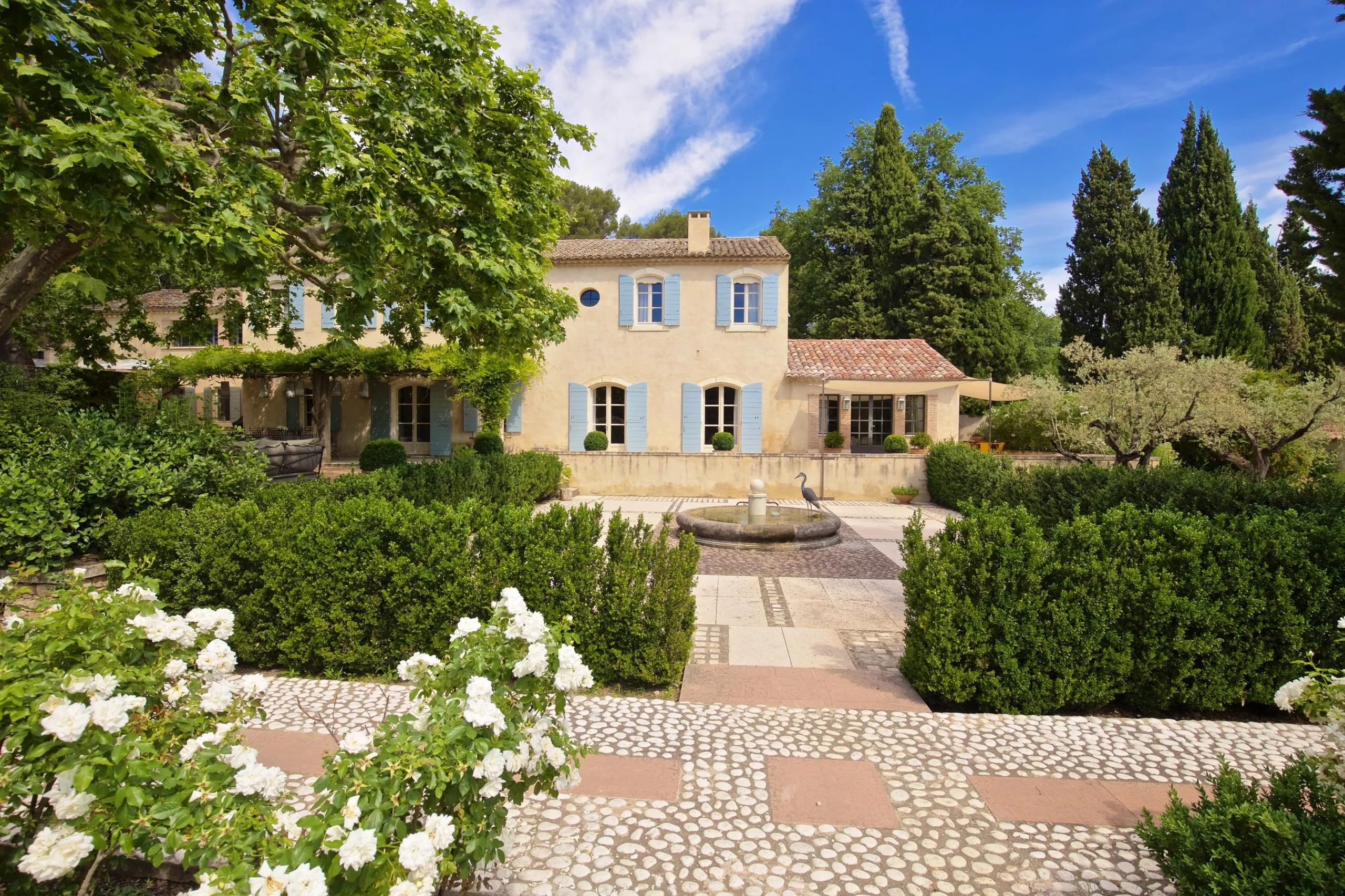
Provencal Paradise Estate with Gorgeous Pool and Lush Garden Grounds
St. Remy de Provence · 9 bedrooms · 14 guests
From $1,889 / night
 LUXERETREATS®PRIVATE VILLAS. SHARED MOMENTS.
BEYOND THE PUBLIC COLLECTION
The villas below are just a sampling. Many homes are offered as private or pocket listings. Tell us your dates and what you have in mind, and request a personal selection by email.
Inquire for private listingsExplore the collection. Rates and availability are confirmed for your travel dates.
St. Remy de Provence · 9 bedrooms · 14 guests
From $1,889 / night
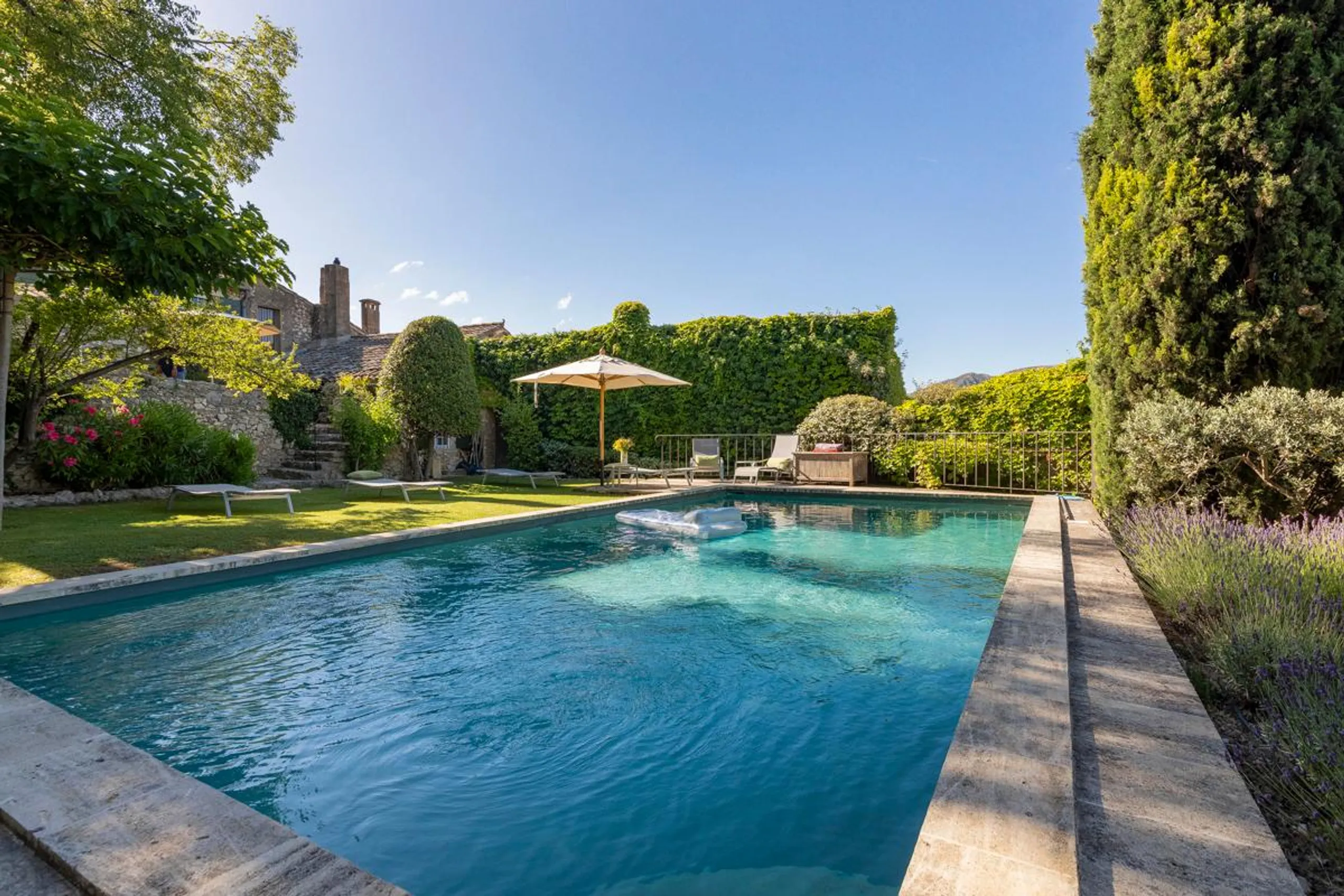
Eygalieres · 6 bedrooms · 10 guests
From $1,324.81 / night
This collection lists 2 villas as of 2026-09-14. Country and regional pages include homes in their linked local areas. These are catalog counts, not date-specific availability.
Listed starting rates in this collection begin at $1,325 USD per night. Luxe Retreats features villas with starting rates of at least $1,200 USD. Request a written proposal for your dates, including taxes, fees, and services.
Open individual villa pages to compare photographs, bedroom counts, guest capacity, and listed amenities. Use the planning guides to identify questions about room access, meals, and transport. Share the shortlisted references with your inquiry.
A listed home is not a confirmation of availability. The team must check your dates and the applicable booking terms. An inquiry does not take payment or hold a property.
Describe your preferred meals and experiences in your stay brief. Inclusions and provider availability vary by villa and date. Ask for a written scope and price before treating a service as confirmed.
The villas shown here are a sampling of our collection. Many homes are offered as private or pocket listings. Send an inquiry with your destination, dates and preferences to request additional options by email; availability is confirmed individually.
Compare your shortlist · Understand starting rates · Send a stay inquiry
These collections span multiple destinations. Use the villa’s location to keep your shortlist in your preferred area.
Explore the Provence destination guide for local areas, experiences and practical planning.
The public collection is a sampling. Additional private and pocket listings can be shared by email after your Provence inquiry, subject to availability.
A private Provence retreat shaped by the Luberon, Alpilles, Avignon and Aix, with art, country tables and time at home.
Choose a part of Provence that allows the landscape to become familiar. This guide connects village life, artistic discoveries and memorable meals with the practical pleasures of a well-chosen private house.
Provence rewards a smaller map. Its appeal is not simply the distance between celebrated towns, but what happens when a particular landscape becomes familiar: a limestone ridge beyond breakfast, a village bakery worth returning to, the same terrace changing color through the afternoon. For travelers considering Provence luxury villa rentals, the most useful first decision is where to concentrate the week. A beautiful house does more for a holiday when the places you actually want to revisit are within a comfortable local circuit.
The Luberon, the Alpilles, Avignon and Aix-en-Provence each suggest a different stay. Think of these as distinct centers of gravity, not interchangeable labels attached to a swimming pool. A Luberon address suits village exploration and country lunches; the Alpilles bring compact limestone scenery and a strong connection between art and agriculture. Avignon introduces monumental architecture and performance, while Aix adds an urban rhythm of museums, squares and cafés. Our broader France destination collection helps place an inland week within a longer journey. Here, the pleasure is choosing one part of the region well enough to leave room for unplanned hours.
The Destination Luberon tourism office introduces a landscape of perched villages, dry stone buildings, vineyards and the protected Luberon massif. Gordes, Ménerbes, Lourmarin and Roussillon all belong in the conversation, but a holiday should not become a competition to photograph them in quick succession. Pick two or three that express different sides of the landscape, then allow yourself to recognize the differences.
Gordes is the dramatic approach, its pale stone appearing to gather itself onto a hillside. It works well as the architectural focus of a day, followed by a meal or one nearby visit. Roussillon changes the palette toward warm ochre. Ménerbes invites a quieter village pause, while Lourmarin provides another useful base for exploring the southern side of the Luberon. Those contrasts matter more than a long tally of stops.
When comparing private villas in Provence, establish which side of the massif the address occupies. A rental described as being near the Luberon may produce quite different daily journeys from one near your preferred village. Choose the dinner location before drawing the sightseeing loop: returning over unfamiliar country roads after a long lunch and an evening out can undo the ease you wanted from a rural stay.
The Luberon's appearance is more interesting when it is read as a working landscape. Dry stone structures, vineyard boundaries and village streets are part of the same story as its photogenic hilltops. Rather than visiting only viewpoints, include a place that explains how people shaped the materials around them. That gives the next village walk more substance.
Roussillon's ochre landscape is an obvious choice for travelers drawn to color. The official Ochre Trail information identifies managed walking routes through the site; use its current visitor guidance to plan the visit. Treat the paths as an outdoor outing with suitable shoes, not as an extension of a café terrace. A short walk can make a stronger impression than an overloaded afternoon of driving between villages.
The same principle applies to shopping. A piece of pottery or a textile chosen because you understand how it will live at home is a more satisfying souvenir than a bag of objects purchased between scheduled stops. Leave time to speak with a maker where a workshop welcomes visitors. Our magazine's guide to local villa experiences explores how to build this kind of focused encounter into a private stay without turning every morning into an appointment.
The Alpilles offer another compelling interpretation of a Provence villa holiday. Here the outline of the limestone hills gives structure to days spent between town, cultivated countryside and historic sites. Saint-Rémy-de-Provence is a natural choice when you want a lively town as a recurring point of reference rather than a single excursion. It lets the morning coffee, evening meal and cultural outing belong to the same local world.
One way to use the area is to separate an art morning from a village afternoon. Visit a major site while attention is fresh, then return to ordinary town life. The resulting week feels less like a regional tour and more like inhabiting a place. Staying outside the center can bring grounds and greater separation from street activity; staying within an easy, verified walk makes spontaneous dining much simpler.
The Alpilles regional park is the right starting point for understanding the protected landscape and current outdoor guidance. Summer access restrictions can affect natural areas. Plan a village or museum alternative alongside a walking day, so a change in conditions produces a different pleasure rather than a lost afternoon. A private garden and shaded terrace are particularly valuable when the sensible choice is to enjoy the landscape from home.
Les Baux-de-Provence combines a striking village setting with an attraction that deliberately changes the scale of looking. At Carrières des Lumières, projected art and music occupy the surfaces of former underground quarries. The attraction is immersive rather than a conventional museum display, and that distinction helps determine whether it will suit the group.
For families, it can provide a welcome change from reading labels or walking exposed streets. For art lovers, it works best as a sensory companion to seeing original works elsewhere, rather than a substitute for them. The program changes, so select the exhibition for your travel dates instead of assuming that a photograph from a previous season represents the current show.
Pair the experience with time in Les Baux, but resist adding several more villages simply because they appear close on a map. The combination already supplies two very different encounters with stone: the built village above and the transformed quarry below. A leisurely meal and the return to your villa can complete the day. This is a good region in which to let one strong experience carry an afternoon, leaving energy for the conversations that begin when everyone is back around the pool.
Avignon deserves a day with enough breathing room to move between monument and city. The Palais des Papes is the principal architectural anchor, and advance booking is recommended by its visitor service. Give it a deliberate place in the itinerary rather than trying to squeeze it between a country market and a distant dinner reservation.
The scale of the palace changes the tempo after small villages. It invites attention to ceremonial space and the relationship between authority, architecture and the surrounding streets. Once outside, allow the city to become ordinary again: a café, a bookstore, a little time without a predetermined route. A satisfying Avignon outing needs both the landmark and the life around it.
UNESCO's account of Avignon's historic center places the palace together with the episcopal ensemble and the surviving bridge in their historical context. That wider perspective is useful even on a short visit. Instead of treating each landmark as an isolated photograph, look at how the city meets the Rhône and how its substantial historic structures sit within today's streets. From a countryside villa, this urban interval creates welcome contrast before the return to a quieter evening.
Aix is particularly rewarding when approached through the relationship between a city and an artist's working environment. The Aix tourism office's Cezanne guide identifies the Lauves studio, Jas de Bouffan and the Bibémus quarries as distinct ways into that story. They should not be treated as three versions of the same museum. One concerns the intimate scale of work, another a family property, and another the shapes and surfaces of the landscape.
Choose the site that best matches your interest and the season's opening calendar. A visit to the studio can be particularly effective when you want to consider the everyday setting of painting; a quarry visit makes the material world itself the subject. Prebook any guided or timed experience and leave enough margin to enjoy Aix afterward.
For a villa holiday based well away from Aix, decide whether this is a focused full-day excursion or a separate stay. Driving across Provence repeatedly to sample every artistic association can make the week feel strangely detached from the house you chose. An alternative is to build an art-led itinerary around one geographic area now, then return for another. The region gives you enough material to make that a pleasure rather than a compromise.
Water supplies another register to an inland Provence itinerary. Fontaine-de-Vaucluse is associated with the source of the Sorgue, and the local tourism office explains the village's connection to the river, literature and industry. It also flags modified access conditions around the source. Build the outing around the village and currently permitted paths, not an assumed right to reach the water's edge.
A river-focused day can balance the drier visual character of hilltop villages. The aim need not be strenuous activity. Choose a walk suitable for the group, look at how buildings relate to the water, and let lunch become the main appointment. Photographs cannot convey access conditions, so use current local guidance even when an online itinerary sounds effortless.
It is also worth distinguishing a waterside visit from a beach day. Most inland Provence villa plans should treat the pool as their convenient place to swim, with any coastal outing arranged as a purposeful longer journey. Travelers whose main wish is daily sea access should compare the French Riviera rather than ask an inland property to deliver a coastal routine. Both are attractive; their daily geography is different.
Two very different restaurant settings help illustrate how to plan dining in Provence. Near Ménerbes, La Bastide de Marie describes cooking connected to its garden and vineyard. It is a useful address to investigate for a meal that keeps the countryside at the center of the evening. Confirm the dining arrangements for nonresident guests directly; a hotel's overnight package should never be assumed to apply to villa visitors.
Near Saint-Rémy, Château des Alpilles offers dining in a manor-house setting as well as a poolside restaurant. Choose the specific restaurant and seasonal service when reserving. The distinction between a formal evening and a more relaxed meal is part of planning well, especially if children or several generations are traveling together.
Balance restaurant meals with nights at home. A private chef can give market ingredients a more personal context, provided the service, shopping and dietary requirements are agreed in advance. Our private chef dining guide explains what to discuss. In Provence, the house table should feel like a legitimate part of the destination: somewhere to linger over lunch, share a bottle selected earlier and avoid turning every meal into another departure.
A Provence villa with a private pool is not the same product in every season. In summer, shade, bedroom cooling and a practical outdoor dining area shape daily comfort. In cooler periods, living rooms, heating and covered spaces become more important. Pool heating, where offered, should be confirmed separately, including its conditions and any extra cost. A photograph taken in brilliant July light tells you little about an evening in another month.
Arrival planning should follow the actual address. Compare flight and rail options with the final country-road transfer, grocery stop and check-in arrangements included. Do not choose an arrival station solely because it looks closer on a regional map. If several households arrive separately, establish who can enter the property first and how later arrivals will be handled.
For families, a lawn and attractive pool are only the beginning. Bedroom distribution, stairs, pool protection and the route between house and garden deserve attention. For friends, dining capacity and genuine privacy between sleeping areas may matter more than another reception room. Use our bedroom layout guide to turn the initial visual shortlist into a house that supports the way your group actually spends time together.
A Luberon holiday can begin with a simple question: which village would you be happy to visit twice? The answer is often more useful than a list of places you feel obliged to see. Gordes may appeal for its pale stone and the drama of its hillside composition. Ménerbes can invite a more intimate pause, while Roussillon provides a different visual world through ochre. Lourmarin belongs to the southern side of the massif, with a geography that should be considered separately. Choosing an address around these preferences helps the week develop a recognizable character instead of a series of unrelated excursions.
Once the house is shortlisted, map a small group of likely journeys: groceries, a casual meal, the principal cultural outing and a destination restaurant. Ask for realistic driving advice where country roads or village approaches complicate the picture. A property can be beautifully secluded and still entirely practical when those journeys are understood. Conversely, a broad description such as near Gordes may not support the independent village routine someone has imagined. Put that expectation into words before reserving. The purpose is to find a setting that feels easy in use, rather than merely close to the right name.
One day might center on Gordes and Sénanque; another could remain around Ménerbes with a countryside lunch. A third can introduce Roussillon without requiring an immediate onward departure. If the house is near Lourmarin, reverse the emphasis and give the southern villages more space. This flexible approach allows the same region to serve different households without pretending that one itinerary fits every address. Read our Luberon village and private-retreat article for a closer look at how to make those choices. The best plan leaves time for the place that unexpectedly becomes everyone’s favorite.
Sénanque deserves to be approached as a monastic place as well as an image of Provence. The community’s own visitor arrangements provide the right framework, including the available format and timing of visits. Its architecture can be appreciated independently of the familiar lavender view. Allow enough time to arrive without rushing and to give the visit your attention. A quiet cultural encounter is easily diminished when it is treated as a short photographic interruption between several larger plans. Consider pairing it with one village meal rather than with a tour of every celebrated Luberon address.
The lavender fields are part of a working landscape and a seasonal cycle. Bloom should not be promised for a fixed holiday date on the strength of a previous year’s photograph. Weather and harvesting can change the scene, so current local information is more useful than a generalized calendar. If lavender is a major interest, explain that when planning the stay, while retaining other reasons to enjoy the area. A visit built around architecture, village life and a good meal remains satisfying even when the fields do not match an imagined color.
This is also a useful way to think about the wider countryside. Vineyards, olive groves and cultivated fields have purposes beyond providing a view from the terrace. Appreciate them from permitted routes and seek organized visits where producers welcome guests. A conversation about what is grown and how the season is progressing can add more to a holiday than another distant viewpoint. The house becomes part of that experience when a local ingredient appears at dinner or a bottle from a visit is opened with friends. Such connections make a retreat feel rooted in the place around it.
At Saint-Paul de Mausole, the interest lies in the relationship between Van Gogh, the site and the landscape associated with his stay. The cultural visit includes historical interpretation and the cloister setting; it should not be confused with a large gallery of original paintings. Understanding that distinction prepares travelers for what the encounter actually offers. Allow the atmosphere and the physical setting to carry some of the experience. Guests who arrive expecting a conventional museum may otherwise overlook the qualities that make this particular place significant.
Glanum introduces another historical scale nearby. Its archaeological remains are best appreciated with enough explanation to understand the settlement rather than simply identify scattered structures. Check the current guided options or visitor materials and choose a format suited to the group. Outdoor exposure and walking surfaces should influence timing and footwear. Two important sites in the same area do not automatically belong in one morning; the household’s interest and stamina determine whether to combine them. A single attentive visit followed by Saint-Rémy at leisure can be a more rewarding arrangement.
An art-led holiday does not require everyone to spend identical hours at every site. One member of the group might want a longer historical visit while others prefer a town walk, meeting afterward for lunch. A private home makes that flexibility valuable, provided transport is organized. Discuss the likely pattern when choosing the property: some households need a driver or more than one vehicle, while others are comfortable moving together. The cultural itinerary then supports shared enjoyment without making every difference in interest into a logistical difficulty or a reason to abandon the most rewarding experiences.
Château La Coste adds an entirely different register to Provence’s artistic landscape. Near Le Puy-Sainte-Réparade, the estate brings contemporary works and architecture into a vineyard setting. The Tadao Ando Art Centre and the wider Art and Architecture Walk give visitors several ways to engage with that combination. Treat this as a substantial outing rather than a quick detour. Check the current visit formats and the practical demands of the route. A guided or assisted arrangement may suit a mixed group better than expecting everyone to cover the same ground at the same pace.
A meal can complete the day without requiring another long journey. The Tadao Ando Café is one distinct option, while dining at Villa La Coste has its own identity and reservation arrangements associated with Hélène Darroze. Establish exactly which venue and service you are booking. A restaurant reservation, an art visit and use of hotel amenities are separate matters, even when the names sound closely related. Keeping those arrangements precise avoids disappointment and allows the day’s pleasures to remain straightforward: looking closely, walking as appropriate and sitting down together afterward.
For travelers staying near Aix, this outing can sit naturally beside a Cezanne-focused day. The contrast is compelling: one encounter follows an artist’s historical working landscape, while another considers how contemporary art and architecture occupy a cultivated estate. There is no need to force a theoretical connection; the differences are part of the pleasure. Separate the visits enough to give each its own space, and leave a day at the villa between more demanding excursions if the group would enjoy it. A thoughtful retreat can be intellectually rich without feeling continuously scheduled.
The Lauves studio, Jas de Bouffan and Bibémus are distinct experiences. The studio brings attention to a working environment; the family estate adds a domestic and historical setting; the quarries place the landscape itself in the foreground. Before reserving, ask what the group wants to understand. A traveler fascinated by the making of paintings may respond to one site, while someone drawn to outdoor forms and color may prefer another. Choosing deliberately is more useful than attempting all three simply because they appear together in a guide.
Bibémus requires particular attention to the official booking and access instructions. The route is regulated, and outdoor restrictions can affect visits during certain conditions. Follow the arrangements issued for the selected tour rather than driving independently to an assumed entrance. The same principle applies to the other sites: current calendars and reservations determine what is possible. A well-prepared visit can feel effortless because these questions have already been resolved. Keep a city alternative available so that a weather-related or operational change leads to another enjoyable day in Aix.
After a cultural appointment, let Aix provide a less structured interval. A café, a stroll and a few shops can be enough, especially when the morning has required close attention. Guests staying farther away should allow for the return journey before adding an evening reservation. If several Aix experiences are essential, consider whether the chosen house is actually in the right part of Provence. It may be better to concentrate this trip around Aix and leave the northern villages for another stay than to spend successive days crossing the region from a beautiful but inconvenient base.
A special restaurant evening gives the week a point of anticipation. At Les Baux, L’Oustau de Baumanière and La Cabro d’Or offer separate dining experiences within the Baumanière estate. Decide which suits the occasion and reserve it explicitly. Around Saint-Rémy, Château des Alpilles offers another setting, while La Bastide de Marie near Ménerbes is useful to investigate for a countryside lunch. Current menus, service patterns and availability for outside guests should guide the final choice. The same hotel or estate can contain several different propositions, so precision matters more than familiarity with the headline name.
Cipressa at Coquillade, near Gargas, introduces an Italian direction to a Luberon stay. It can be a welcome variation when the group wants a different mood rather than another formal destination meal. Ask about current operation and the appropriate service for your dates, particularly outside the main season. None of these restaurant suggestions implies access to a hotel’s pools or other facilities. Keep the reservation focused on the experience being offered, then arrange the car or driver in a way that allows everyone to enjoy the meal without an unresolved journey hanging over the evening.
Our Provence guide to artful days and country tables explores how to alternate these outings with time at the house. A chef-prepared supper can be especially welcome after a long cultural day, while an informal lunch assembled from market purchases may be perfect after a short village visit. Share dietary preferences and the desired level of formality before menus are proposed. The most satisfying week has contrast: one or two memorable restaurant experiences, plenty of local flavor and enough unhurried meals together to make the private home central to the journey.
A performance-led visit to Avignon requires a different plan from an ordinary sightseeing day. Start with the event, its language and duration, then build meals and transport around it. The palace and bridge can be visited separately if combining everything would make the day too demanding. In a region full of possibilities, it is easy to underestimate the attention required by a substantial cultural experience. Give the performance the space it deserves, especially when it is the principal reason for choosing the travel dates or the area around the house.
The journey back to a countryside property should be settled before the evening begins. Consider the collection point, the number of passengers and what happens if different members of the group leave at different times. A remote villa can provide an appealing contrast after the intensity of a city event, but only when the transfer is practical. Travelers planning repeated late evenings in Avignon should make proximity and reliable transport central to the property brief. Being vaguely within reach of the city is not enough to establish that the arrangement will feel comfortable several nights in succession.
On a separate day, the Palais des Papes and the surviving bridge can be approached with fresh energy. Look beyond isolated landmarks to the relationship between monumental architecture, the Rhône and the streets in between. A café pause helps restore an everyday scale after the palace’s larger spaces. This mixture is part of Avignon’s appeal from a private rural base: the opportunity to move between city culture and the quieter life of the house. Let both parts retain their character rather than compressing them into a schedule that leaves little time to experience either.
A multigenerational Provence retreat benefits from a house that offers several comfortable ways to spend the same afternoon. Some guests may read indoors while others swim or prepare lunch. Before booking, confirm where those activities happen and how easily people can move between them. Separate guest accommodation can provide privacy, but it may be less suitable for young children or someone who needs assistance at night. Stairs, bedroom locations and the distance from sleeping areas to the main living spaces should be considered as carefully as the number of rooms.
Village visits also need to accommodate differences in walking pace. Hilltop settings can be rewarding without every guest completing the same route. Identify a suitable café or meeting place, keep the main outing manageable and avoid assuming that a short distance is automatically an easy walk. A private guide can sometimes adapt a visit around particular interests and mobility needs, but confirm the actual format before booking. The aim is shared pleasure, not identical participation in every minute of the itinerary. A flexible plan allows each generation to contribute to the character of the holiday.
At home, meal timing can be equally important. An early children’s supper, a later adult dinner or a relaxed lunch that everyone shares may each work on different days. Explain this when arranging a chef or planning restaurant reservations. The private setting should make the household’s routine easier, not impose an elaborate performance at every meal. When the practical requirements are understood, the group can enjoy the distinctive advantage of a villa: being together without needing to do everything together. Provence’s variety then becomes a resource for different interests rather than a challenge to keep everyone occupied.
The terrace is often the image that draws travelers to a Provence home, but the interior deserves equal scrutiny. Consider where everyone will gather if wind or rain makes outdoor dining less appealing. In warmer periods, ask how bedrooms are cooled and whether the main outdoor seating has dependable shade. In cooler seasons, establish heating and the comfort of shared rooms. Pool heating, when offered, has its own operating conditions and possible supplements. The correct questions depend on the travel dates, so use the season as part of the property assessment rather than as a detail added after the house is chosen.
For outdoor activities, check current local advice on access to natural areas. The Alpilles park provides guidance about restrictions linked to fire risk, and other sites may have their own arrangements. A closed trail does not need to undermine the holiday if the plan includes attractive alternatives. An art visit, a town lunch or a day of cooking at the villa can be a welcome change. Keep the most weather-sensitive experiences flexible and protect only the reservations that genuinely require a fixed commitment. That balance makes the itinerary easier to adapt without losing its intended character.
The right property should make a day at home feel complete. That does not require an extensive list of recreational amenities; comfortable seating, usable dining space, appropriate privacy and a setting the group enjoys may matter more. Confirm every feature that is essential instead of inferring it from a general luxury description. When the house is well matched, an unexpected free afternoon can become one of the trip’s pleasures. The landscape remains present through windows, terraces and the conversation around the table, even when the most sensible plan is simply to stay where you are.
A smooth arrival begins before anyone travels. Compare airports and rail stations with the final address, available connections and the practicalities of collecting a vehicle or meeting a driver. A shorter distance on a map does not necessarily produce an easier journey. Ask for the route to the actual entrance, particularly if the last section uses rural lanes. If guests arrive separately, establish access arrangements for each household and decide who will receive the property briefing. This prevents important details from being passed informally through a tired group at the end of a travel day.
Food is a simple but valuable part of the welcome. Essential groceries, breakfast provisions and a prepared supper can allow everyone to settle without another immediate departure. Agree on preferences and costs in advance. Where a chef or housekeeper is involved, understand the service hours and what happens after they leave. The same clarity should apply to any driver, concierge contact or maintenance support. A private stay feels relaxed when the responsibilities are understood, not when the description leaves guests to assume that every task is included.
Once the first morning arrives, resist the urge to begin with the most complicated excursion. Explore the nearest village, understand the shopping routine and allow the house to become familiar. Review the week’s reservations in the light of everyone’s energy, then keep room for adjustments. Browse the Provence selection with that settled daily experience in mind. The most appealing home is the one that can support it consistently, combining the region’s beauty with the practical ease that lets guests enjoy the moments between the headline experiences.
The most persuasive luxury in Provence is often continuity: being able to return to the same village, have an unscheduled lunch and recognize the road home. Plan a week around two substantial cultural outings, a few local discoveries and meaningful time at the property. Leave at least one day open until you know which part of the landscape has caught everyone's imagination.
Explore the public selection, then inquire about your Provence stay with your preferred area, dates and household needs. The villas shown are a sampling; additional private or pocket listings may be shared by email after inquiry, subject to availability. A precise brief about village access, grounds, dining and the pace of your holiday is the best starting point for finding a Provence home that belongs naturally to the journey.
Give each day a single geographic focus: Aix and a Cezanne encounter, the countryside around Les Baux, or a particular Luberon village. Place a restaurant reservation within that same area. Reserve some afternoons for the villa, rather than treating empty time as an invitation to add another cross-regional drive.
Look beyond the bedroom total to internal stairs, the route from parking, shaded seating, pool access and the relationship between sleeping areas. Establish which errands need a car. A beautiful rural setting may suit shared meals wonderfully while requiring advance transport for guests who prefer independent outings.
Yes, when the geography and reservations work together. Château La Coste offers art, architecture and several dining possibilities on one estate, while Les Baux can support an art visit followed by a nearby country table. Ask the venues about current entry arrangements and service times before committing the whole party.
Consult the original sources for current reservations, seasonal access and opening information.