
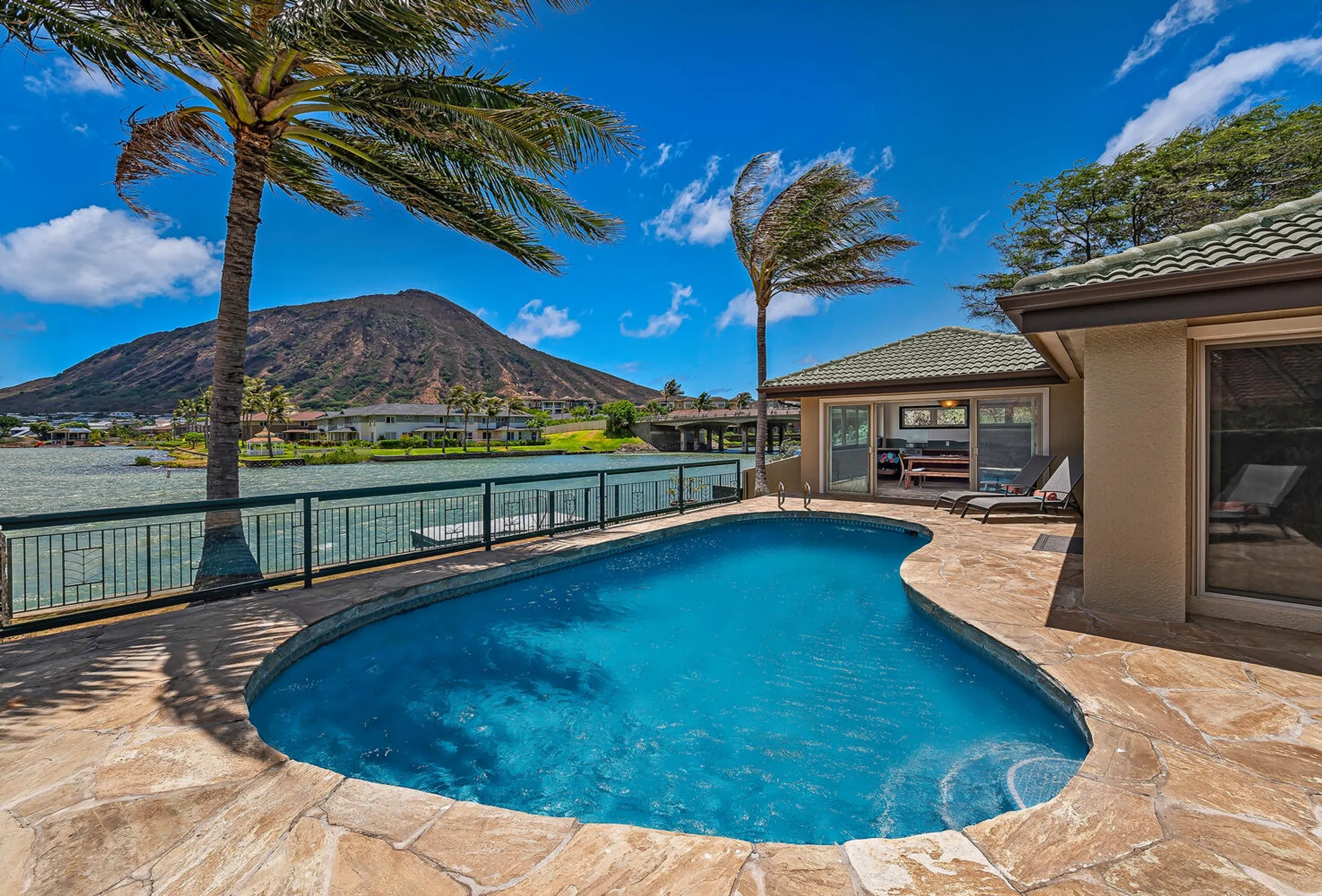
Diamond Head Private Beach Front Luxury Estate with Pool and Surf Steps Away
Honolulu · 8 bedrooms · 16 guests
From $10,750 / night
 LUXERETREATS®PRIVATE VILLAS. SHARED MOMENTS.

BEYOND THE PUBLIC COLLECTION
The villas below are just a sampling. Many homes are offered as private or pocket listings. Tell us your dates and what you have in mind, and request a personal selection by email.
Inquire for private listingsExplore the collection. Rates and availability are confirmed for your travel dates.
Honolulu · 8 bedrooms · 16 guests
From $10,750 / night
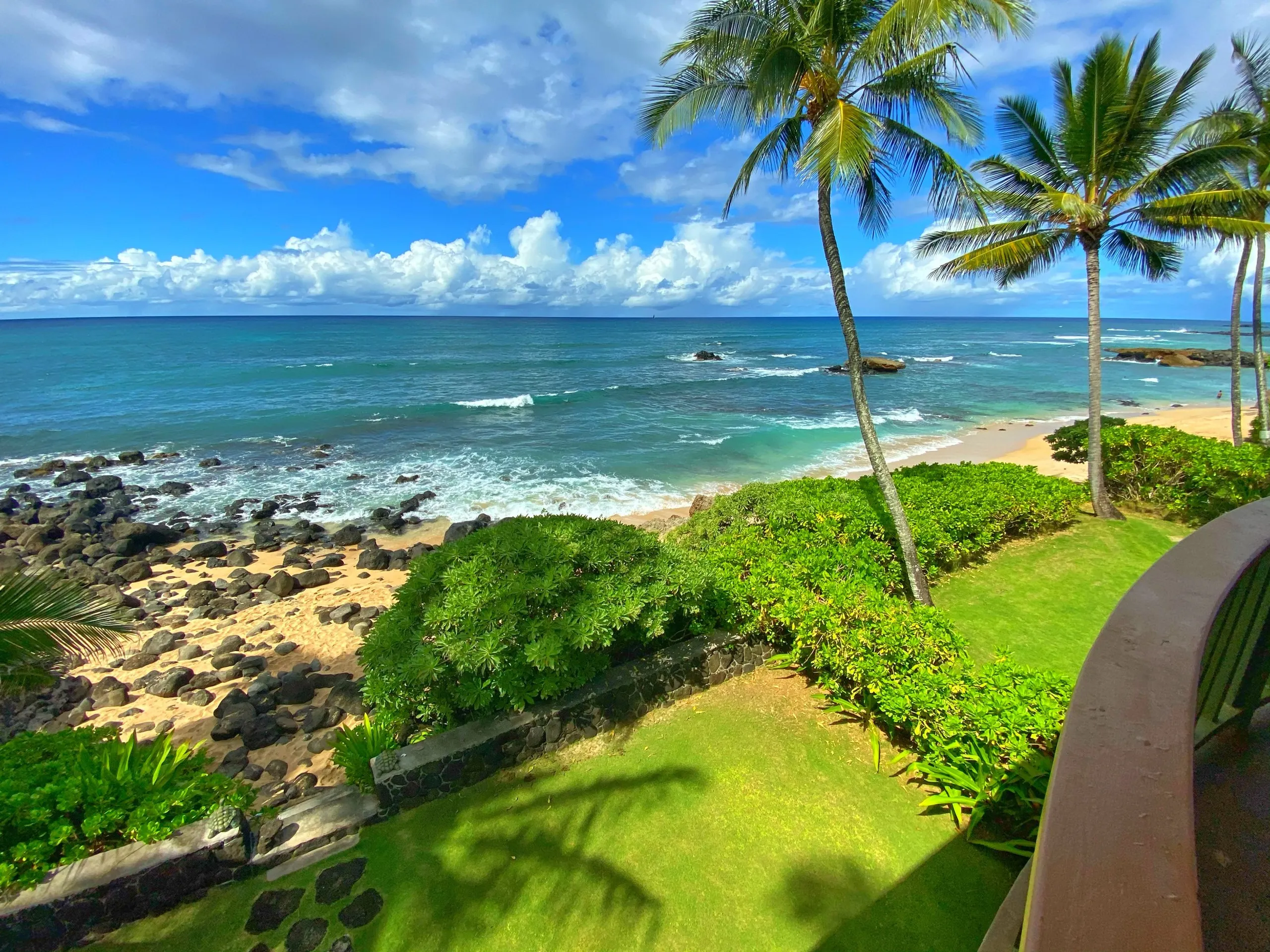
Haleiwa · 6 bedrooms · 16 guests
From $2,400 / night
Honolulu · 5 bedrooms · 13 guests
From $2,000 / night
Oahu · 5 bedrooms · 12 guests
From $1,295 / night

Haleiwa · 4 bedrooms · 8 guests
From $1,200 / night
This collection lists 5 villas as of 2026-09-14. Country and regional pages include homes in their linked local areas. These are catalog counts, not date-specific availability.
Listed starting rates in this collection begin at $1,200 USD per night. Luxe Retreats features villas with starting rates of at least $1,200 USD. Request a written proposal for your dates, including taxes, fees, and services.
Open individual villa pages to compare photographs, bedroom counts, guest capacity, and listed amenities. Use the planning guides to identify questions about room access, meals, and transport. Share the shortlisted references with your inquiry.
A listed home is not a confirmation of availability. The team must check your dates and the applicable booking terms. An inquiry does not take payment or hold a property.
Describe your preferred meals and experiences in your stay brief. Inclusions and provider availability vary by villa and date. Ask for a written scope and price before treating a service as confirmed.
The villas shown here are a sampling of our collection. Many homes are offered as private or pocket listings. Send an inquiry with your destination, dates and preferences to request additional options by email; availability is confirmed individually.
Compare your shortlist · Understand starting rates · Send a stay inquiry
These collections span multiple destinations. Use the villa’s location to keep your shortlist in your preferred area.
The public collection is a sampling. Additional private and pocket listings can be shared by email after your Oahu inquiry, subject to availability.
A considered Oahu stay, from Honolulu restaurants and Hawaiian cultural institutions to Ko Olina, the North Shore and the windward coast.
There is no single Oahu holiday. In one version, you dress for dinner in Waikiki after a day spent with the history of the Hawaiian monarchy. In another, the afternoon barely extends beyond a west coast residence and a walk beside the lagoons. A third follows the island's green windward contours, making time for a guided experience that explains the land behind the view. The pleasure lies in choosing deliberately. Oahu offers enough variety that trying to enjoy everything at once can obscure the character of each place. A good private stay begins with a relationship between the house and the days you hope to have. This Oahu guide explores that relationship through neighborhoods, meals, cultural encounters and the practical details that allow a group to relax. It does not assume that every residential district offers authorized short stays, or that proximity to a resort brings access to its facilities. Those details belong to the individual booking. With them settled, the island becomes a place to spend time attentively: listening, tasting, looking and leaving enough space between appointments to remember what drew you there.
Begin with a map, then put it aside long enough to imagine an ordinary day. Where will you drink coffee? How often do you want to get into a car? Does dinner mean a restaurant with a sense of occasion, or a table at home where nobody has to leave the conversation? These questions reveal more than a list of famous beaches. Honolulu gives the holiday an urban dimension; the west coast can keep it concentrated around a resort setting; the North Shore and windward side ask for different patterns of movement and attention.
It is tempting to regard the island's variety as an invitation to change scenes constantly. Yet a residence works best when it is more than a storage place between excursions. Let the choice of location support the majority of your days, then make a small number of worthwhile journeys beyond it. If the party is divided between city dining and coastal quiet, acknowledge that difference early. A carefully chosen compromise can work, but a vague promise that everything is nearby usually disappoints someone once traffic and actual distances enter the picture.
Think of the itinerary as a few generous chapters. Honolulu might receive a cultural day and two evenings; the North Shore could have a day with a single substantial visit; the windward coast might become another focused outing. Between them, preserve time at home. Our approach to the art of doing less is especially relevant on an island with this much to offer. Selectivity gives experiences room to become memories rather than a sequence of arrivals, departures and photographs taken before everyone returns to the car.
Waikiki makes sense for people who enjoy the energy of a place where visitors and residents move through a busy coastal cityscape. It offers a different kind of luxury from seclusion: the possibility of going out, returning easily and feeling connected to a larger scene. That can be a strong fit for couples who care about restaurants or families with older children who want more than a self-contained retreat. Review the actual setting carefully, because city convenience and urban sound often arrive together.
Do not let an ocean photograph do all the decision-making. Ask what the room or terrace feels like at the times you are likely to use it. Consider neighboring buildings, afternoon exposure, parking and the practical distance to your preferred outings. A generous living room may be more useful than an impressive balcony if the group gathers indoors in the evening. For a longer stay, storage, laundry and a functional kitchen deserve attention too. The small comforts of daily life become increasingly important after the first admiration of the view.
Honolulu rewards curiosity beyond Waikiki. Downtown, the palace introduces a different understanding of the island, while other districts give restaurant evenings their own character. Rather than booking every meal near the accommodation, choose one or two destinations worth a deliberate journey. The Oahu table guide follows that idea from the city toward Ko Olina. A well-planned urban stay can alternate public pleasures with private ease, allowing the residence to be a calm place of return without pretending that the surrounding city has disappeared.
A residential address in the broader Honolulu area may appeal when guests want some distance from Waikiki's intensity while retaining a connection to city life. Kahala often enters that discussion, but the useful questions remain specific. Where is the house? What kind of coastal access does it have? How private are its outdoor areas? Is the proposed rental authorized for the duration you need? A neighborhood's reputation cannot answer any of these on behalf of an individual property, however persuasive the marketing images may be.
Imagine the residence on a day when nobody plans an outing. Is there shade where people actually want to sit? Can one person read quietly while others gather around the pool? Does the dining space comfortably accommodate the whole party? Is the route between bedrooms and shared areas convenient for everyone? These details establish whether the home supports a relaxed rhythm. A spectacular room that functions poorly for the group can be less satisfying than a more restrained house whose arrangement makes daily life feel effortless.
Residential tranquility also depends on being a considerate temporary neighbor. Agree on parking, visitor rules and sound expectations before arrival, especially if a celebration is part of the trip. A dinner for the registered party should not quietly become a larger event. Ask separately about any professional photography, entertainment or additional guests you hope to arrange. Clear boundaries protect the atmosphere you came to enjoy. They also allow staff and hosts to plan properly, rather than spending the holiday managing expectations that could have been resolved before anyone boarded a flight.
The west coast offers another version of Oahu, and Ko Olina is its best-known resort reference. Here the lagoons and coastal paths encourage a day organized around a smaller radius. It can suit families who value repeatable routines: breakfast, a suitable outing, lunch, rest and an evening close by. That simplicity is appealing precisely because the island beyond remains available without needing to be used every day. Choose a west coast stay because you want to spend time there, not because it appears to be a neutral base for constant island-wide touring.
Clarity about access is essential. Ko Olina's lagoon beaches permit public pedestrian access, while designated parking operates on a first-come basis. Facilities belonging to individual resorts have separate rules and arrangements. A residence near a hotel does not automatically come with that hotel's pools, seating or recreation program. Ask your host to distinguish what is physically nearby from what is included in the booking. The lagoons should also be treated with ordinary water judgment and supervision; the official destination information notes the absence of lifeguards.
The most satisfying west coast schedule may be the least elaborate. Leave one afternoon open for the residence, choose a restaurant evening that does not require a long return journey and arrange any water excursion through its confirmed operator and departure point. Mina's Fish House can provide a seafood-focused occasion within Ko Olina, subject to a reservation and current policies. The point is not to make every day identical, but to remove unnecessary friction so that the family can settle into its surroundings and notice the quieter pleasures of being away.
On the North Shore, the coastline carries a strong surf identity, but the visitor's experience should extend beyond recognizing famous names. Haleiwa gives a day a useful center, and the coast beyond changes from place to place. Winter swells can make watching the ocean a compelling activity in itself. Waimea Bay, Ehukai and Sunset belong to that wider story, yet none should be treated as a universal recommendation to enter the water. Conditions, warnings and local advice determine what is sensible on the day.
For a private stay in this part of the island, consider the practical shape of evenings as carefully as the scenery. How will provisions arrive? Which meals can be prepared at home? How far is the restaurant you are imagining? Does every guest welcome a quieter setting, or does someone expect frequent city outings? A North Shore address is most persuasive when the group actively wants its different pace. It becomes less convincing if the week is filled with reasons to leave it for long periods every morning and evening.
If you are visiting from another coast, grant the day a clear focus. A thoughtful inland experience and an unhurried meal can be more satisfying than a string of beach stops. Leave space for a roadside view only where stopping is lawful and considerate, and do not let the pursuit of a photograph create problems for residents or other road users. The culture and coastal days itinerary offers a way to give the North Shore substance without turning the journey into a hurried circuit of the entire island.
The windward side can feel like a visual reset after Honolulu: green ridges, a different coastline and communities with their own everyday life. Kailua and Kaneohe are distinct places, not two labels for the same excursion. Decide what brings you across the island. It may be a carefully chosen beach visit, a guided experience at Kualoa or time with a different coastal landscape. One clear purpose makes the day easier to arrange and leaves more room for the place itself than an ambitious list of loosely connected stops.
A beautiful residential area is not an invitation to improvise access. Use designated routes, park considerately and keep entrances clear. If you are visiting a beach, ask about current conditions and practical arrangements rather than assuming that a familiar image explains the experience. Wind, water and available facilities affect the day, especially for young children or guests who need shade and easy movement. A picnic sounds simple, but its success depends on lawful access, suitable conditions, waste removal and a realistic plan for everyone in the party.
Accommodation requires the same specificity. The presence of attractive homes in Kailua or Kaneohe does not establish that a short holiday rental is permitted at a given address. Have the property's eligibility and required stay confirmed before making it the center of the trip. For many visitors, the windward side will be a carefully planned outing from an authorized residence elsewhere. That is a perfectly satisfying way to experience it, particularly when the schedule allows time to look and listen rather than treating the drive as a transition between photographs.
There is a strong case for placing Iolani Palace early in an Oahu itinerary. It changes the terms of the visit, bringing the Hawaiian monarchy and the island's political history into a holiday that might otherwise remain at the level of scenery. Select a current tour option through the palace itself, and reserve ahead where possible. Guided interpretation and an audio-led visit offer different ways of engaging; choose according to the group's interests and ability to give the experience sustained attention.
Preparation need not be complicated. Read the palace's guidance on attire, belongings, ages and photography, then arrange the day accordingly. Leave beach clothing for another setting. If some members of the party are too young or would be uncomfortable with the visit, make a separate plan that treats their needs seriously. A cultural outing is richer when those attending are ready to participate. It should not be framed as a duty to complete before returning to the supposed real holiday at the pool.
Afterward, resist the urge to fill the remaining hours immediately. Take a meal, sit together or return to the residence with time for conversation. Guests may have questions that lead them toward a book, another institution or a more informed discussion with a local guide. That is part of the value. The private home provides room to absorb what has been encountered outside it. A holiday can be restful and intellectually engaging at the same time, especially when the schedule allows historical places to remain in the mind after the visit has ended.
Bishop Museum can provide a foundation for understanding the island in relation to Hawaii and the wider Pacific. Its Hawaiian and Pacific galleries offer more than a collection of isolated objects: they invite attention to connections among land, leadership, voyaging and everyday life. Rather than promising to see everything, decide what would be most meaningful for your party. Review current programming and choose a manageable portion of the museum. An attentive hour in the right place can be more valuable than a distracted attempt to complete an entire building.
Families can prepare a few questions before arriving. What do objects reveal about how people lived? How are stories carried across generations? What does a museum label explain, and what further questions does it open? Children do not need to become experts for the visit to be worthwhile. Adults can also benefit from letting curiosity guide them rather than measuring progress by rooms completed. If interests differ, agree on a meeting point and allow smaller groups to spend time where they are most engaged.
Give the museum an appropriate place in the week. It can complement the palace, but the two need not be compressed into the same day. Splitting them allows each to retain its own character and avoids cultural fatigue. A later coastal or agricultural experience may become more interesting because of the context gained here. Our approach to local experiences from a villa favors this kind of connection: the residence offers comfort, while thoughtful encounters beyond it help the destination become a place with depth rather than a decorative setting for leisure.
Pearl Harbor National Memorial is a place for remembrance and understanding. Begin with current National Park Service guidance on reservations, program schedules and visitor rules, then decide what your group intends to visit. The wider Pearl Harbor area includes different experiences, and their arrangements should be checked individually. A package description should state clearly what is included. Avoid letting a broad phrase such as full access replace a precise explanation of reservations, transport and the components actually provided by an operator.
The emotional pace matters as much as the logistics. Some visitors will have a personal connection to the history; others will be encountering it in depth for the first time. Allow time to read, reflect and ask questions without the pressure of an ambitious onward schedule. Children may need preparation and a shorter day. A private transfer can make movement easier, but it should serve the visit rather than turn it into a sequence of timed photo opportunities. Confirm where you will meet afterward and leave a sensible margin.
A quiet afternoon at the residence can be the right continuation. It gives people space to speak if they wish, or to be alone with their thoughts. There is no need to attach a celebratory dinner or a high-energy activity simply because time remains on the calendar. A considered holiday acknowledges that different experiences ask different things of us. Making room for those differences is one of the advantages of private accommodation: you can return to a familiar setting and decide together what the rest of the day should become.
Some travelers arrive determined to walk Diamond Head; others know only the outline from photographs. Before making it a group activity, read the state park's description of the route and discuss the physical effort involved. The summit trail includes steep sections and stairs. Under the current system, nonresidents need entry and parking reservations. Confirm the official arrangements close to the visit, including alerts, and do not confuse having secured a booking with having established that the hike suits every person in the party.
This is a useful moment to make the holiday flexible. Those who enjoy a demanding morning can go prepared, while others choose a less strenuous start. The groups can reunite for lunch without anyone having to apologize for a different preference. Appropriate footwear, water and a pace that respects the least comfortable participant matter more than reaching a viewpoint on a deadline. If the conditions or the group's health make the plan unsuitable, changing it is a sensible decision rather than a failure to complete the itinerary.
Apply the same judgment to other trails. Official notices may distinguish between road access, parking and the trail itself; one being open does not settle the status of the others. Storm damage and maintenance can alter familiar routes. Ask for current information rather than relying on an old recommendation. A good alternative should already exist in the plan, whether that is a museum, a gentle outing or time at home. The island does not become less interesting because a particular summit is left for another visit.
Kualoa's landscape is widely recognizable, but its official range of experiences is broader than a single scenic tour. Some activities emphasize film locations and adventure; others engage with agriculture or stewardship. The distinction matters. A group interested in food systems may find a different program rewarding from one seeking a vehicle-based outing. Read the individual descriptions and select a clear purpose. The same setting can produce very different memories depending on whether guests are encouraged merely to recognize it or to understand something about it.
A private arrangement can be useful for pacing and group comfort, but it should not be interpreted as permission to disregard age, mobility or safety requirements. Ask what the chosen activity involves, where it begins and what participants need to bring. Confirm the address stated in the booking rather than assuming every experience uses an identical meeting point. If the party includes several generations, it may be better to choose complementary activities than to force everyone into one option designed around the most adventurous guests.
Let the visit shape the surrounding day. A simple meal and a relaxed return may be more appropriate than additional distant stops. If an agricultural program prompts an interest in ingredients, bring that curiosity into a later chef conversation at the residence. Ask what can be sourced well and what is in season, without demanding a menu that turns every local ingredient into a performance. The pleasure is in a more informed relationship with the place: seeing how the landscape, the people who work within it and the food on the table are connected.
A North Shore day can gain depth by turning inland at Waimea Valley. Gardens and cultural interpretation provide reasons to slow down, while the path toward the waterfall gives the visit a clear direction. Waterfall access and swimming depend on current conditions and the valley's operating guidance. Do not promise a swim to children before checking what is actually available. The outing can be worthwhile through its plants, setting and interpretation even when the water is something to look at rather than enter.
Consider how the party moves through a landscape. Some guests will want to pause frequently; others may prefer a guided explanation that draws their attention to details they would otherwise miss. A paved route does not remove the effects of heat or the need for rest. Review current visitor information and ask about suitable arrangements if anyone has mobility concerns. Pack according to the operator's advice, with realistic expectations about the length and effort of the visit. An unhurried approach allows the valley to be more than a corridor to a final viewpoint.
Afterward, choose a meal and perhaps one coastal stop that suits the day's conditions. There is no obligation to add every famous beach name. If you are returning to Honolulu or Ko Olina, keep the evening forgiving rather than tying it to an early formal reservation. The journey home can then be part of a satisfying day rather than a stressful calculation. At the residence, a simple dinner and time to compare observations may do more for the group's enjoyment than one additional attraction squeezed into the last available hour.
A good Oahu dining plan begins by recognizing that restaurants create different occasions. La Mer at Halekulani brings a formal French dining reference to Waikiki. Senia offers another city experience from its downtown address. Merriman's Honolulu places an ingredient-focused meal in the Ward Village area. Mina's Fish House, at Four Seasons on the west coast, makes seafood part of a Ko Olina evening. These names provide useful starting points, but current menus, availability and policies should be checked directly before building a special night around them.
Ask what the table needs to accomplish. Is it an anniversary dinner for two, a family gathering with an early finish or an evening when everyone wants to dress up and linger? Children, allergies, appetite and energy are as relevant as reputation. Confirm age requirements, attire and the form of service. A long menu can be wonderful when guests are ready for it and burdensome when they arrive tired from a full day outside. The best reservation is the one that fits the people attending, not merely the one that sounds most impressive.
Geography should keep the evening comfortable. Avoid arranging a west coast dinner as an afterthought to a distant northern outing, or placing a demanding city meal immediately after a late return. Our Oahu dining feature treats the journey and the meal as one experience. Alternate restaurant nights with evenings at the residence, giving everyone a chance to enjoy both forms of hospitality. A week with fewer carefully chosen reservations often produces more vivid food memories than a schedule in which each dinner competes with exhaustion.
A chef dinner at the residence changes the social texture of a holiday. Children can eat at a suitable hour, guests can dress comfortably and a conversation can continue without anyone checking a transfer time. Its success depends on preparation that remains largely invisible once the evening begins. Establish the scope of the service: shopping, cooking, serving, clearing and cleanup may be arranged differently. Clarify how ingredients and additional requests are charged, and make sure the kitchen and dining space suit the proposed meal.
Give the chef a sense of the group rather than a rigid collection of dishes. Explain preferences, allergies, meal timing and the desired level of formality. Ask what ingredients are worth using during your stay and allow the menu to respond to availability. A thoughtfully prepared fish dish or vegetable course can say more about the island than an elaborate menu built around imported expectations. If guests have very different tastes, discuss how the meal can remain coherent without making anyone feel that their needs are an inconvenience.
Our guide to private chef dining explores the planning behind that ease. On Oahu, the private table is particularly useful between city restaurant evenings and full days of exploring. It gives the residence a role beyond accommodation and lets the group enjoy its own company. Consider one modest lunch as well as a special dinner: a well-timed meal waiting after an outing can feel more generous than another evening spectacle. Luxury often resides in being comfortably fed at the moment when everyone most appreciates it.
When comparing residences, look beyond the photograph that first caught your attention. A house is a sequence of spaces used throughout the day, and its quality emerges through that sequence. Can early risers make coffee without disturbing others? Is there a shaded place to read? Can the dining area hold the group comfortably? Are bedrooms comparable enough to avoid awkward compromises? A beautiful outlook cannot compensate for a layout that repeatedly asks guests to negotiate around one another during what should be a relaxing stay.
Coastal descriptions deserve particular care. Beachfront, oceanfront and ocean view may involve very different access and usability. Ask where the recognized route to the shore begins, what terrain it crosses and whether the nearby water suits the activities you have in mind under current conditions. A house above rocks can be wonderful for watching the sea while being unsuitable for a family expecting easy sand access. Our beachfront or ocean-view guide helps frame those questions before visual appeal becomes an assumption about daily use.
Also consider the days when weather or preference keeps everyone home. Comfortable seating, indoor dining, ventilation, cooling and enough personal space become essential. A working guest may need a quiet room and dependable connectivity; a grandparent may care more about a convenient bathroom and a level route to the terrace. Request specific information, not reassuring adjectives. The right residence is the one that supports the lives of the people inside it, allowing the setting to be enjoyed without constant practical adjustments.
Multigenerational travel works best when shared time is intentional and individual time is permitted. Oahu offers enough range for different interests, but that variety should not become a reason to divide the family constantly. Establish a few natural meeting points: breakfast at home, one cultural visit together, a private dinner after separate outings. Then let some mornings unfold differently. A confident hiker, a museum enthusiast and a child who wants a pool afternoon can all have a good day without being made to defend their preferences.
The residence should make this possible. Check room relationships, steps, pool access and the availability of equipment before booking. A bedroom described as separate may provide welcome privacy for adults or be inconvenient for parents with young children. A terrace that looks expansive may have edges or transitions requiring supervision. Ask about the details that affect your particular group. Accessibility is best discussed as a set of specific needs and routes, not as a single label that may mean different things to different hosts.
Transport should accommodate the same flexibility. If some guests return early, how will they travel, enter the home and find a meal? If a grandparent stays behind, is the setting comfortable and is assistance available if needed? These arrangements do not have to be elaborate, only clear. The principles in the multigenerational villa guide apply especially well here. A successful family stay gives everyone a sense of belonging while allowing enough autonomy that shared evenings feel like a pleasure rather than the end of another negotiated day.
The first hours on Oahu shape the tone of a private stay. Arrange a transfer that accounts for the actual number of people and bags, not simply the number of seats in a vehicle description. Surf equipment, strollers and large cases can change what is required. Confirm the correct entrance and the person meeting the party. If flights arrive at different times, weigh the comfort of separate transfers against the convenience of collecting everyone together. A tired traveler rarely benefits from an unnecessary wait at the beginning of the holiday.
At the residence, prioritize essentials. A simple meal, drinking water, breakfast provisions and a clear explanation of access and support can be enough for the first evening. Guests do not need an elaborate itinerary briefing immediately after a flight. Let them settle, locate bedrooms and understand the few systems they will use straight away. More detailed household information can be provided in a concise written form and discussed the following day. A calm welcome respects the difference between being excited to arrive and having energy for another appointment.
Keep the next morning gentle unless the group has a compelling reason to do otherwise. Time changes affect people differently, and a shared breakfast can reveal who feels ready to explore. The luxury of a villa is partly the ability to adjust without disrupting other guests or a fixed hotel program. Build from that advantage. Once everyone has rested, the island's cultural visits, restaurants and coastlines will be easier to appreciate, and the residence will already feel like a comfortable place to return rather than an unfamiliar set of instructions.
A useful itinerary secures what matters and leaves the rest responsive. Reserve important cultural visits, selected dinners and any priority guided experience with attention to their current terms. Around those commitments, allow open space. Ocean conditions, weather and park notices can alter outdoor plans, while the group's own interests may evolve after arrival. A schedule with no spare capacity turns every adjustment into a problem. A schedule with thoughtful gaps allows a change to become an opportunity to enjoy the residence or pursue something newly discovered.
For water activities, understand the operator's cancellation arrangements and avoid attaching an essential celebration to a departure that depends on conditions. Ask about an alternative date where appropriate. For trails, use current official information and read alerts carefully; restrictions may apply to a particular approach rather than an entire park. Broad seasonal expectations are useful background, but they should not override the day's guidance. The same principle applies to a familiar beach: its name does not tell you whether it is appropriate for your group at a particular moment.
Think of an unplanned afternoon as part of the value you have purchased. It may become a long lunch, a nap, a return to a favorite view or a conversation that would otherwise have been interrupted. This is especially important when traveling with friends who rarely have uninterrupted time together. Oahu can sustain an active holiday, but it also supports a more measured one. The strongest plan gives guests permission to choose, without making them feel that rest represents a missed opportunity or a failure to use the destination properly.
Before a residence becomes the emotional center of the trip, establish that it can support the stay you intend. Ask for confirmation of rental eligibility, minimum duration, permitted occupancy and house rules for the specific property and dates. Oahu's residential neighborhoods are not a uniform market of unrestricted short holiday lets. A listing's language, an attractive photograph or a general destination page cannot settle the status of an individual address. Clear written information allows you to make a sound choice and avoids building an itinerary around an unsupported assumption.
Review the agreement as a description of the experience, not merely a payment document. What is included in housekeeping? Who handles maintenance? How are chef services or deliveries arranged? Which charges are additional, and what happens if plans change? Confirm cancellation terms and the process for resolving an issue during the stay. Ask whether current photographs show the actual setup and whether any known nearby work may affect comfort. These details help distinguish an appealing proposal from a residence that is genuinely ready to host your group well.
Finally, return to the holiday you imagined at the beginning. If you wanted city culture, do not accept a location that makes every visit onerous. If you wanted long private afternoons, do not spend the entire week arranging departures. Use the Oahu destination page to begin a conversation grounded in your priorities, then refine it through the property's verified details. The resulting stay should feel personal and coherent: a place to live comfortably for a while, and enough thoughtful encounters beyond its doors to understand why Oahu could not simply have been replaced by any other island.
Consult the original sources for current reservations, seasonal access and opening information.