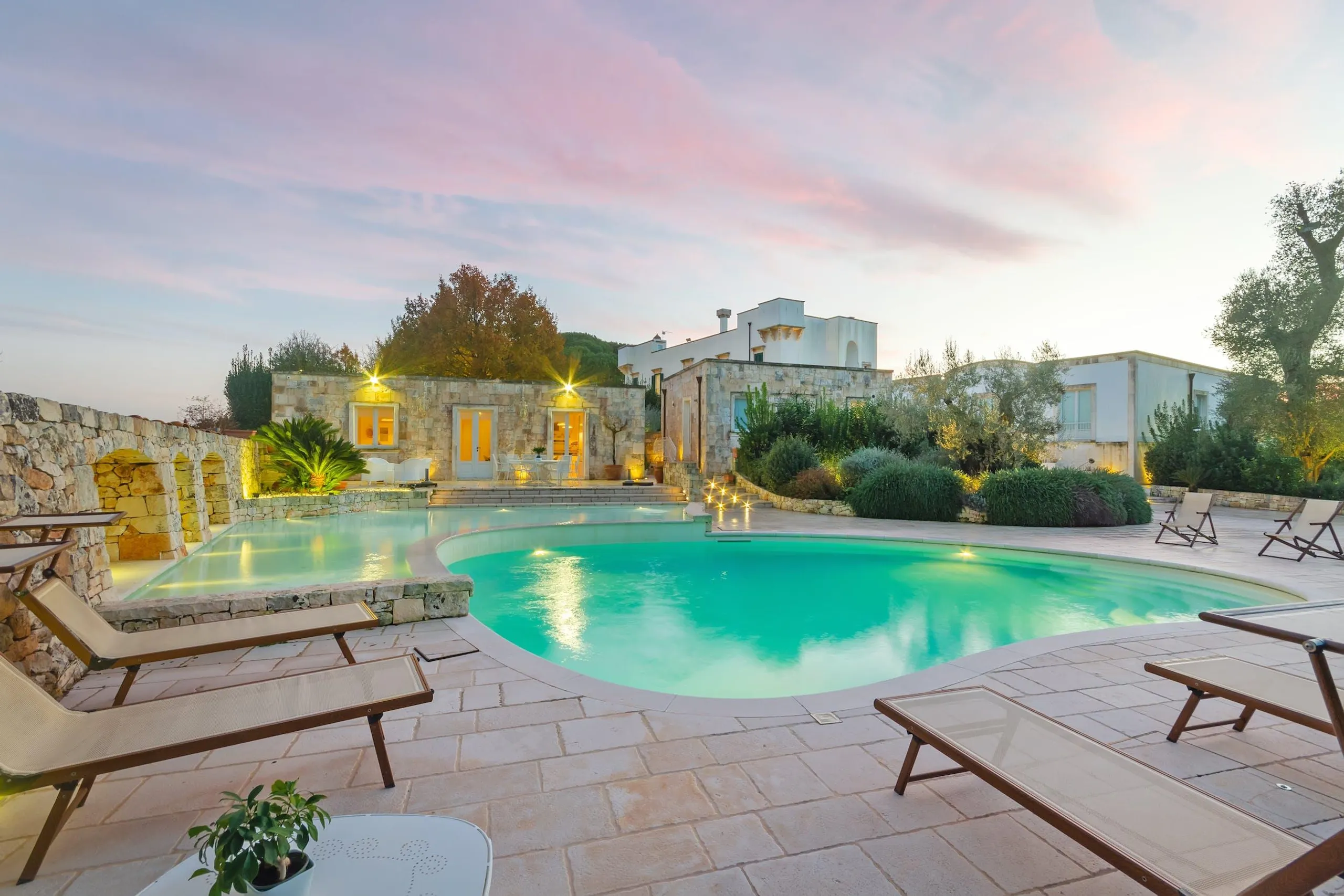
Captivating Contemporary Villa in Apulias with Private Pool
Taranto · 5 bedrooms · 10 guests
From $3,034.54 / night
 LUXERETREATS®PRIVATE VILLAS. SHARED MOMENTS.
BEYOND THE PUBLIC COLLECTION
The villas below are just a sampling. Many homes are offered as private or pocket listings. Tell us your dates and what you have in mind, and request a personal selection by email.
Inquire for private listingsExplore the collection. Rates and availability are confirmed for your travel dates.
Taranto · 5 bedrooms · 10 guests
From $3,034.54 / night
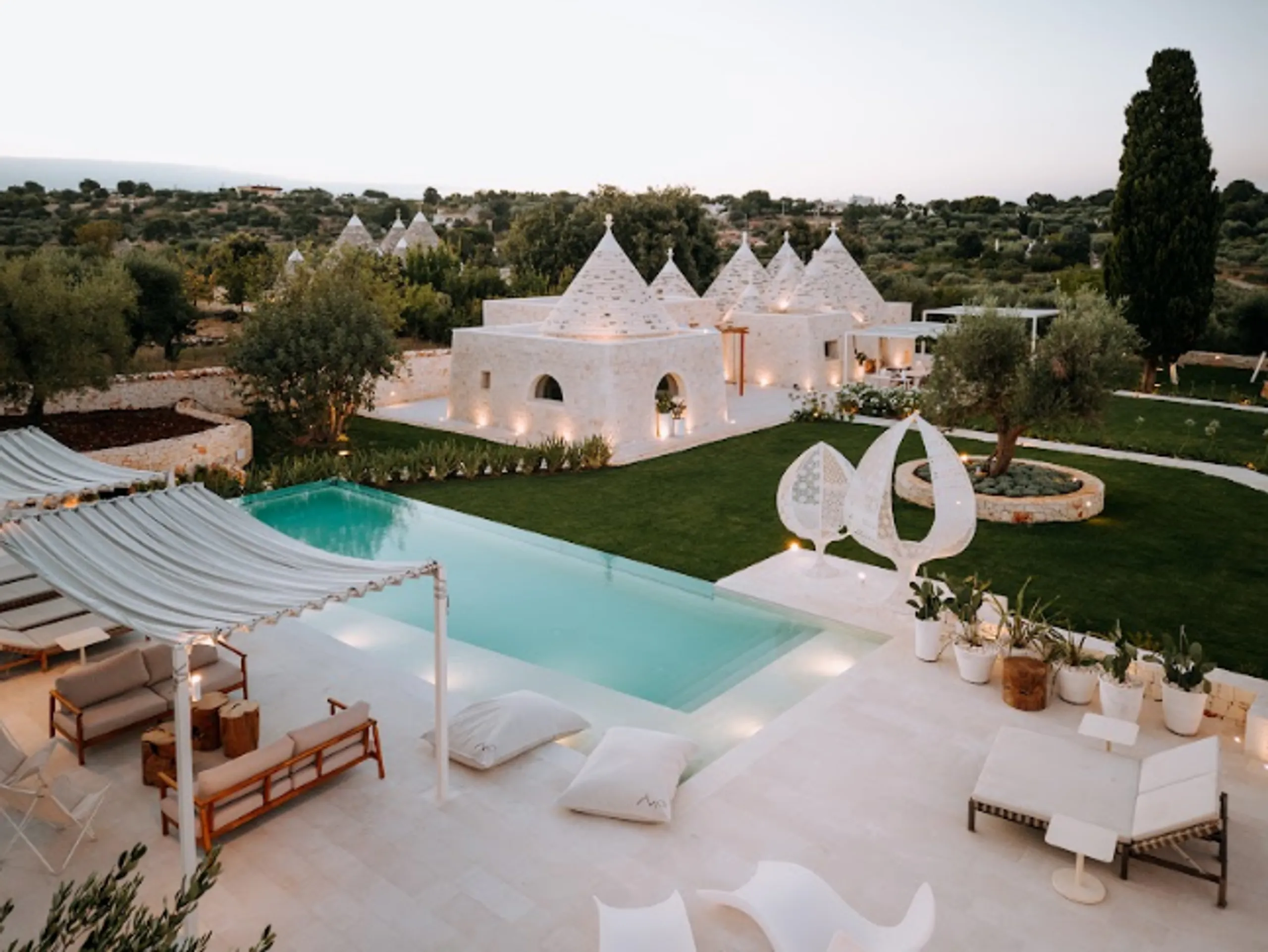
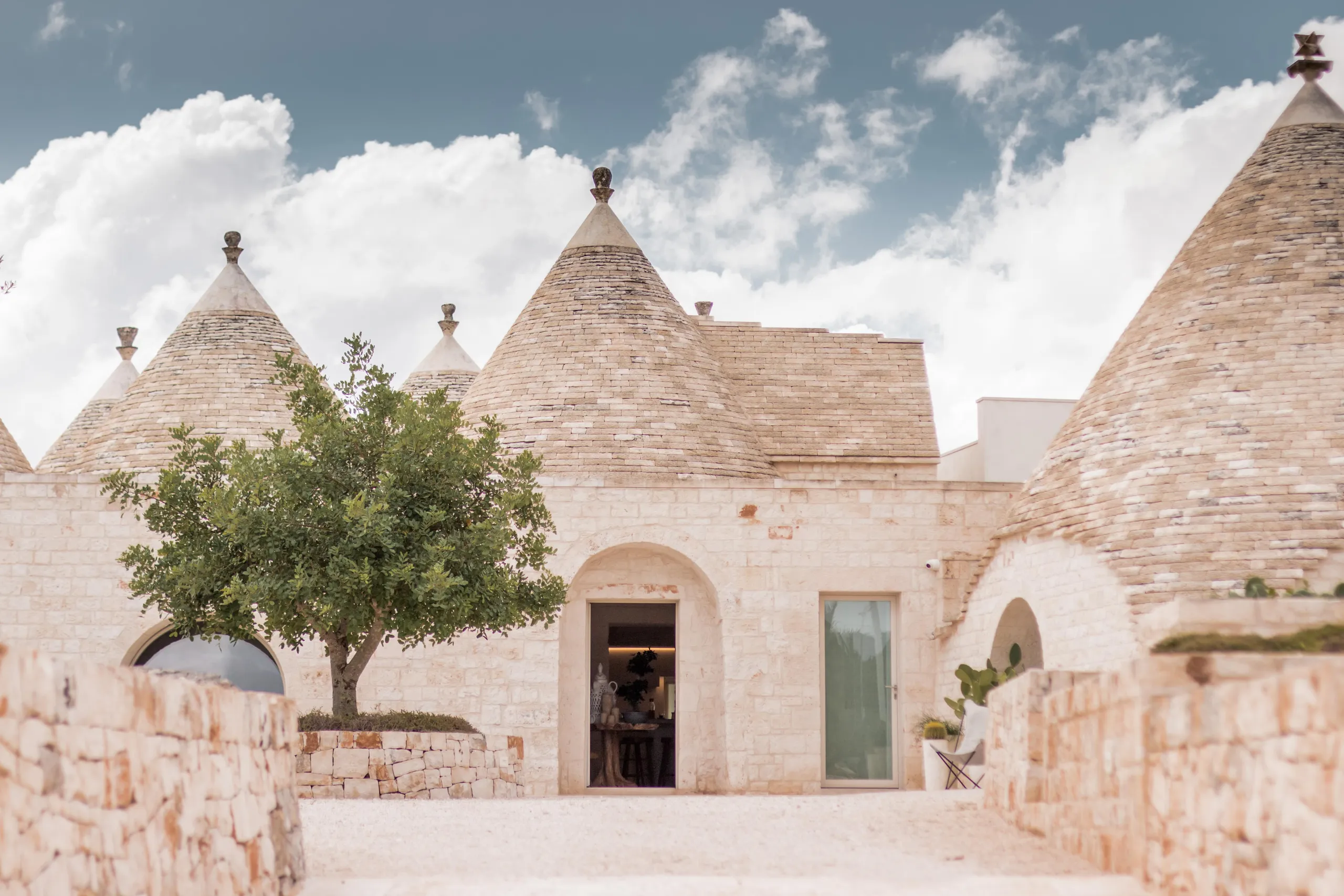
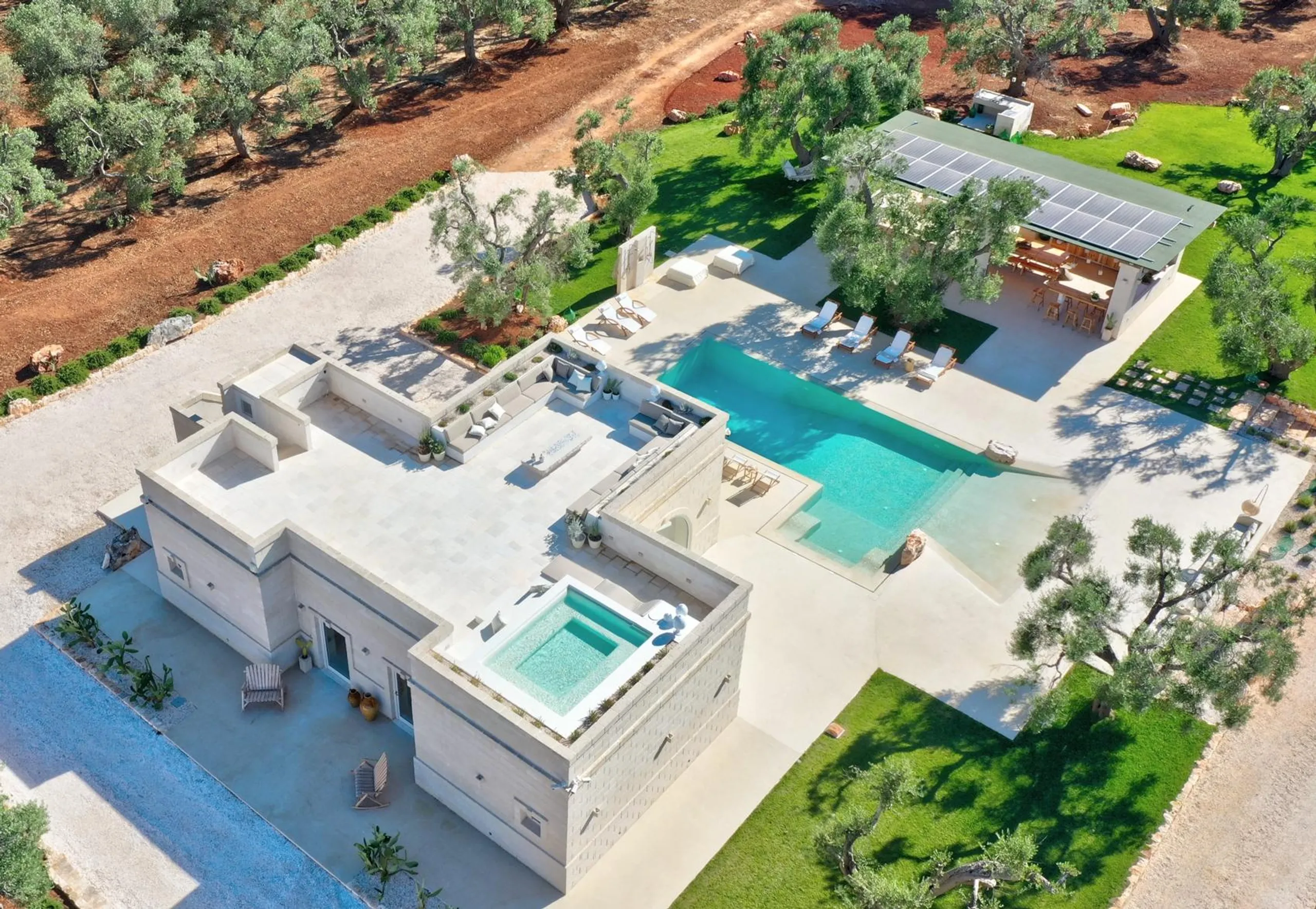
Ostuni · 6 bedrooms · 12 guests
From $1,543 / night
This collection lists 4 villas as of 2026-09-14. Country and regional pages include homes in their linked local areas. These are catalog counts, not date-specific availability.
Listed starting rates in this collection begin at $1,543 USD per night. Luxe Retreats features villas with starting rates of at least $1,200 USD. Request a written proposal for your dates, including taxes, fees, and services.
Open individual villa pages to compare photographs, bedroom counts, guest capacity, and listed amenities. Use the planning guides to identify questions about room access, meals, and transport. Share the shortlisted references with your inquiry.
A listed home is not a confirmation of availability. The team must check your dates and the applicable booking terms. An inquiry does not take payment or hold a property.
Describe your preferred meals and experiences in your stay brief. Inclusions and provider availability vary by villa and date. Ask for a written scope and price before treating a service as confirmed.
The villas shown here are a sampling of our collection. Many homes are offered as private or pocket listings. Send an inquiry with your destination, dates and preferences to request additional options by email; availability is confirmed individually.
Compare your shortlist · Understand starting rates · Send a stay inquiry
These collections span multiple destinations. Use the villa’s location to keep your shortlist in your preferred area.
Explore the Puglia destination guide for local areas, experiences and practical planning.
The public collection is a sampling. Additional private and pocket listings can be shared by email after your Puglia inquiry, subject to availability.
An unhurried Puglia retreat through masserie, white towns, coastal dining and the private spaces that make a villa week memorable.
An elegant Puglia stay begins with a sense of proportion: one landscape to inhabit, a few places to know properly and a villa worth returning to. Let the region’s stone, food and light shape the journey without trying to compress its entire coastline into a single week.
Puglia luxury villa rentals offer more than a base near the sea. Around Ostuni and the Valle d’Itria, the holiday unfolds between pale stone towns, olive country and farm estates. Along the Adriatic, places such as Monopoli and Polignano a Mare bring the water directly into the townscape. Farther south, Lecce and Salento introduce another architectural language and a choice between two coasts. These areas connect, but they should not be compressed into one imaginary neighborhood.
The region is long enough that choosing a principal area makes a real difference. For a first week, the Valle d’Itria and its nearby Adriatic coast offer an appealing combination of rural life, towns and water. A Salento stay deserves its own center, especially when Lecce and the southern beaches are the priority. Northern Puglia, including the Gargano and the country around Castel del Monte, is another distinct chapter.
A private villa becomes most rewarding when the surrounding landscape enters the day naturally: bread brought home after a town visit, lunch beneath shade, a late drive for dinner. Begin with the places you want to know repeatedly, then let the house search follow.
The Valle d’Itria is not a valley in the dramatic mountain sense. Its appeal lies in a cultivated countryside of small roads, stone walls, olive trees and distinctive buildings, with towns creating focal points above and between them. The official Itria Valley overview links Alberobello, Locorotondo, Cisternino and Martina Franca within this landscape. It is especially suited to a stay that combines modest daily outings with substantial time at home.
Trulli are the most recognizable buildings, but they are part of a broader rural setting. Their conical forms can make a villa feel closely connected to its location, while a masseria expresses a different history and scale of agricultural life. A contemporary house may instead emphasize light, outdoor space and the surrounding stone landscape. These are meaningful architectural choices, not simply different decorative themes.
For a rental, look beyond the roofline to how the building is lived in. Traditional rooms can create intimacy and character; larger shared spaces may be important for a group that likes long meals together. The most successful choice respects the appeal of the architecture while ensuring that the actual spaces support the holiday. Local character should be felt throughout the day, not only in the arrival photograph.
Alberobello makes the trullo tradition legible at town scale. Rione Monti and Aia Piccola contain the best-known concentrations, where the repetition of conical roofs becomes an entire urban landscape. UNESCO’s account of the trulli explains their dry-stone construction and the relationship between building material and the neighboring fields. That context turns a visit from a collection of picturesque façades into an encounter with a practical way of building.
Spend time looking at the details: the proportions of doorways, the relationship between walls and roofs, and the way individual structures join. The houses were not conceived as isolated visual curiosities. They belong to streets and to a working regional tradition. A guide with a strong architectural interest can make these relationships clearer without needing to turn the visit into a technical lecture.
Alberobello is a natural excursion from a Valle d’Itria villa, but it should not define the whole region. See it alongside another town with a different architectural character. The contrast helps explain why a trullo stay feels specific, while also showing that Puglia contains far more than this single celebrated form. Leave time afterward for lunch or an afternoon at home rather than pursuing every nearby landmark.
Locorotondo invites a slower kind of looking. Its compact historic center and the relationship between narrow streets and countryside views make it a good place for an unhurried morning. Cisternino offers another village-scale experience, with a pleasing reason to linger around a meal. Martina Franca changes the register through its more substantial urban presence and Baroque architecture. These towns should be chosen for their differences, not treated as interchangeable white villages.
A rewarding sequence might give Locorotondo one morning and Martina Franca an evening on another day. There is no need to see all three before lunch. The intervals matter: noticing how the roads pass between cultivated plots, watching the light change on stone and returning to the same town when it feels familiar. Rural Puglia is particularly well suited to this kind of repetition.
The best villa location within the area depends on which town you want to use most. A house positioned for an easy evening return to Cisternino creates a different daily pattern from one closer to Martina Franca. If the group likes choosing dinner while walking, being near a favored town may matter more than a broad claim of centrality. The countryside still remains part of the experience, but it does not have to require an expedition for every meal.
Ostuni makes a persuasive base for travelers who want a hill town and the possibility of coastal days. Its old center rises above the surrounding landscape, with whitewashed surfaces and glimpses outward creating a visual rhythm quite different from a waterfront town. A visit is best approached through its lanes and changes in level, allowing the larger view to appear in stages.
The town’s appeal extends into the countryside around it. A villa outside Ostuni can make the rural setting the main event while retaining a recognizable destination for dinner or a morning outing. This is a strong option for guests who prefer a pool and garden to a continuous beach schedule. The sea remains part of the wider landscape without needing to be reached every day.
Be precise about which side of town a house occupies. An address toward the coast and one deeper inland will encourage different routes. The useful comparison is between the desired beach, the preferred evening town and the home itself. When these form a comfortable triangle, the week can move easily between them. When they pull in opposite directions, a supposedly central villa may create more driving than expected.
Monopoli offers a particularly satisfying relationship between an old town and a harbor. Buildings gather near the water, and the castle and cathedral add historical anchors to an outing that can otherwise remain pleasantly informal. The official Monopoli guide describes its maritime history and the agricultural landscape beyond the coast. It is a good town to explore without needing every hour to have a reservation.
Polignano a Mare presents a more dramatic cliffside relationship with the Adriatic. The pleasure lies partly in the sudden openings toward the water and the contrast between enclosed streets and the coast beyond. A visit here and one to Monopoli can complement each other, but they need not be crowded into the same half-day. Give each a meal or a substantial pause so its character has time to emerge.
For guests choosing between inland and coastal private villas in Puglia, these towns illustrate the difference. A coastal base brings waterfront walks and sea views into ordinary hours. An inland property may provide more of the enclosed rural world that makes a stay feel settled. Neither automatically supplies better beach access; the specific shore and its approach remain the deciding details.
Torre Guaceto introduces a protected coastal landscape with a different purpose from a town beach or an organized lido. The reserve and marine protected area are managed places, where conservation shapes how visitors experience the shore. Use the reserve’s own information to choose an appropriate visit and understand current access and activity arrangements.
This kind of outing suits travelers who want the sea to be accompanied by a sense of landscape. The journey, the open coast and the protected setting become part of the day rather than background to a sunbed. It is particularly rewarding as a contrast to Ostuni or the Valle d’Itria, allowing the holiday to move between cultivated inland scenery and the coastal environment.
Keep expectations aligned with the place. A protected shore is not designed to provide every convenience associated with a beach club. Plan water, sun protection and the return journey carefully, and follow local guidance about permitted activities and swimming conditions. For families, choosing the right length and type of visit is more useful than assuming that every beautiful beach offers the same easy day. A villa pool provides another option when the group prefers to remain close to home.
The Grotte di Castellana add an underground dimension to a region usually photographed in bright sun. A guided cave visit shifts attention from the built landscape to the limestone beneath it. The great entrance chamber known as the Grave and the formations encountered on the routes give the outing a distinct physical and visual character. Consult the operator’s current route descriptions to choose the appropriate experience.
The caves can be a valuable change of subject during a villa week, especially for guests who enjoy natural history or want something beyond towns and beaches. They should still be treated as a planned outing, with suitable footwear and an understanding of the walking involved. Underground conditions differ from those at the pool, and the longer route is not automatically the better choice for every group.
Place the visit within a locally coherent day. Castellana works naturally with the northern part of a Valle d’Itria itinerary, whereas adding it to a southern Salento day would dilute both experiences. Puglia rewards this geographical discipline. The aim is to return with a strong impression of one place rather than a vague memory of several places viewed between drives.
Lecce brings a richer urban texture to the southern part of the region. The Basilica of Santa Croce and Piazza Duomo show how local stone supports elaborate architecture, while the historic center offers streets in which to wander between major landmarks. The official Lecce guide describes the city’s Roman layers and distinctive Baroque identity. It is worth visiting both for individual buildings and for the way they shape the surrounding streets.
A Salento villa within reach of Lecce can support repeated evenings in the city, rather than a single concentrated sightseeing day. That is appealing for travelers who like a cultural center alongside coastal outings. Lecce is inland: its relationship with the sea is regional, not that of a beachfront town. Choose the house accordingly if swimming is expected to be part of every morning.
On the Ionian side, Gallipoli offers another coastal focus, with its historic town and a lively holiday atmosphere. A stay oriented toward Gallipoli should be chosen for that particular combination. Salento’s different coasts are alternatives within a broader region, not a guarantee that every desirable beach will feel equally close from one property.
Olive oil gives Puglia’s food a direct connection with its landscape. The official account of the region’s olive-oil tradition describes the relationship between groves, mills and production. A properly arranged producer visit can make this connection tangible, especially when tasting is accompanied by an explanation of cultivation and processing. It is a useful alternative to organizing the whole food itinerary around restaurants.
At Due Camini, Borgo Egnazia currently presents a vegetable-led approach shaped by seasonality and biodiversity. That makes it an interesting choice for travelers who want a contemporary culinary interpretation of the region. Grotta Palazzese in Polignano a Mare offers a markedly different occasion, with its restaurant set in a natural cave overlooking the sea. Choose between them according to the experience the group values, and verify the current menus and booking conditions.
At home, let meals vary in ambition. A simple lunch can make excellent use of produce and oil purchased during the week, while a planned chef evening allows everyone to enjoy the house together. Our private-chef villa dining guide explains how to turn preferences into a clear menu and service brief.
Taranto deserves consideration for travelers interested in ancient history. The city’s position between the Mar Grande and Mar Piccolo and its association with Magna Graecia distinguish it from Puglia’s white hill towns. The national archaeology museum, MArTA, is an important cultural reason to visit, especially for its renowned goldwork. The national tourism overview of Puglia places this heritage within the city’s maritime geography.
Including Taranto can deepen a stay based toward the southern Valle d’Itria, but the decision should follow the group’s interests. Archaeology, contemporary city life and a working waterfront ask for a different kind of attention from a beach day. Give the visit a clear focus rather than expecting it to reproduce the atmosphere of Ostuni.
For travelers with more time, Puglia’s northern landscapes provide further possibilities. Castel del Monte and the Gargano belong to that broader regional story, but they are better treated as a separate chapter than attached casually to a short southern stay. The region’s richness is a reason to choose carefully, not an instruction to cover its full length.
Spring and autumn can suit travelers who want to walk through towns and spend more time exploring inland. Summer places greater value on shade, water and a house that supports relaxed afternoons. Coastal services and restaurant schedules vary by season, so choose dates around the experiences that matter most. Bari and Brindisi are useful gateways to compare according to the chosen area and flight options.
A rural stay generally benefits from a car or organized driving. The final approach, bedroom layout and outdoor spaces deserve attention before selecting a home; the magazine’s bedroom-layout guide and villa comparison checklist can help focus that review. Inquire about Puglia with your dates and preferred area. Ask the team to confirm the available properties and services for your dates.
The finest part of a Puglia retreat may be the interval after lunch, when there is nothing to attend and no reason to leave. Choose a property that makes those hours pleasurable. Look for shade where the group will actually sit, a dining area that feels inviting in daylight and bedrooms that offer privacy without isolating anyone who needs assistance. An expansive estate is appealing only if its arrangement suits the people traveling. For friends, separate suites can give welcome independence; for a family with younger children, proximity between rooms may be the more important luxury.
Ask for a clear account of how the house functions when fully occupied. The most impressive suite should not distract from the remaining bedrooms, and a beautiful pool should not conceal a shortage of comfortable shared space. Request photographs or plans that explain circulation between rooms and terraces. In historic buildings, changes in level and external entrances can be part of the charm, but they should be understood before arrival. A well-informed choice lets guests enjoy the architecture without discovering that its practical character differs from the holiday they imagined.
Service should be considered with the same care. Discuss the frequency and timing of housekeeping, the arrangements for linen and laundry, and whether staff have a separate access route. Some groups want a highly attended stay; others prefer more private hours and a few carefully scheduled services. Neither preference should be inferred from a nightly rate. Share the desired rhythm early so that the villa and any additional staffing can be assessed together. The result should feel discreet and natural because the arrangements have been thought through, not because the group is expected to manage them after arrival.
A coastal meal can carry an entire day when it is given room to breathe. From an inland villa, depart with one clear purpose: a walk, a leisurely lunch and a return before the group is tired. There is no need to turn the journey into an inventory of viewpoints. Monopoli lends itself to this approach because the harbor and old town provide an engaging setting around a meal. Select a restaurant for its current food, atmosphere and suitability for the party, then let the surrounding hours remain lightly planned.
A major dinner deserves a different frame. If the evening is built around Due Camini or Grotta Palazzese, leave the preceding afternoon comparatively open and organize the return journey in advance. These are separate experiences, with one inviting attention to the kitchen’s interpretation of ingredients and the other closely tied to its remarkable seaside setting. The decision should follow the occasion rather than a competition between famous names. Ask the restaurant directly about dietary requests, children, the available menu and the terms attached to the reservation.
Balance both with an evening at the villa. A private chef can create a more personal setting for conversation, particularly when the party has spent the day on different outings. The menu might be restrained and seasonal, with an emphasis on what is particularly good during the stay. Describe the desired mood as well as any dietary needs: a family supper, an anniversary meal and a long dinner among friends ask for different pacing. Our Puglia table journal explores how to connect these occasions without making every meal an event.
Grottaglie introduces an appealing subject for guests who notice objects, color and craftsmanship. Its association with ceramics makes it a place to visit with a particular curiosity rather than simply another stop on a town tour. Arrange a studio appointment if there is a maker or technique that interests you, and be clear whether the visit is intended for browsing, a demonstration or a more substantial discussion. Workshops remain working environments. A considered appointment allows the host to prepare and gives the guest something more personal than an unplanned walk through a showroom.
Purchasing a piece can become part of the holiday’s afterlife, but it need not be rushed. Consider the dimensions, finish and intended use, and ask how it will travel. Shipping may be more sensible than carrying a fragile object through multiple airports. For tableware, clarify care instructions and suitability for serving food. These details are a continuation of the pleasure of choosing, not an interruption. If nothing feels right, the visit can still have been worthwhile. Learning to recognize a technique or a regional decorative language changes what one notices elsewhere.
This excursion is particularly suited to a day when the sea is not the main attraction. Pair it with a modest lunch and leave room to return to the pool, rather than attaching an ambitious coastal evening. The journey should serve the interest, not require everyone to justify it with a full schedule. Guests who are not drawn to ceramics can remain at the villa or make a separate plan. A sophisticated group holiday allows different pleasures to coexist and brings the party back together at a shared table when conversation has something new to draw on.
For a retreat based in Salento, Otranto gives the Adriatic side a distinct cultural focus. Its cathedral is a reason to look closely as well as to enjoy the coastal setting; the celebrated medieval floor mosaic rewards attention to individual scenes and the larger composition. Check visiting arrangements around religious use, and consider a guide if the group wants to understand the imagery. A church visit should be approached with the respect owed to an active place of worship. Leave time afterward for the town itself rather than treating the building as an isolated appointment.
The shape of the day should reflect where the villa is located. From a nearby base, an Otranto outing can remain relaxed and relatively spontaneous. From the Valle d’Itria, it becomes a more substantial commitment and may not be the best use of a short stay. A private driver improves comfort, but the distance still occupies the day. If Salento’s eastern coast is the part of Puglia that most appeals, choose accommodation accordingly. This is more satisfying than selecting a house elsewhere and spending the week trying to make its location behave differently.
An evening in Otranto can be planned around a simple sequence: arrive with time to walk, enjoy a meal, and return without a second destination competing for attention. Resist the urge to include every southern landmark in the same outing. Familiarity with one town can produce a stronger sense of place than brief contact with several. For a longer journey, compare the atmosphere with the other Italian regions in our destination collection, then make each stay a distinct chapter. The virtue of a villa is the opportunity to settle rather than continuously move on.
Near Fasano, the Egnazia archaeological site and museum offer a different reading of the Adriatic landscape. The visit belongs to the region’s ancient history and should be distinguished from a booking at the modern resort that shares its name. Choose a guide when interpretation will make the remains more meaningful to the party, and confirm current opening information before building the day around it. Archaeology is most rewarding when visitors have time to imagine the relationships between places, rather than moving quickly from one labeled feature to the next.
For guests based on this part of the coast, the museum and site can form a focused morning before a relaxed lunch. Consider heat and walking conditions when choosing the time. An outdoor cultural visit has its own practical needs, even if the schedule is otherwise luxurious. Comfortable footwear, water and a realistic duration allow the attention to remain on the subject. If members of the group have different levels of interest, agree a meeting arrangement beforehand so no one feels obliged to rush or remain longer than they enjoy.
The value of including Egnazia is the change in perspective it brings. A coast experienced only through beaches and dining can begin to feel like a sequence of interchangeable leisure settings. Encountering an ancient settlement gives a particular place its own depth. The afternoon at the villa may then feel more connected to the landscape surrounding it. This is the kind of variation that makes a week rich without making it crowded: a clear subject in the morning, time to rest afterward and an evening whose pleasures are allowed to remain simple.
Begin with an arrival evening that does not demand a performance. A prepared pantry, an agreed supper or a straightforward restaurant nearby may be more welcome than an elaborate first-night reservation. The following morning can remain slow while the house becomes familiar. Later, visit the town most closely connected to the property. This first outing establishes a practical point of reference for the week: somewhere to return for a coffee, an evening walk or a meal when no special plan is needed. That small familiarity can make a rural stay feel quickly settled.
Place two substantial experiences in the middle of the week and keep space around them. One might be a guided visit in Lecce or Alberobello, the other a coastal excursion or an artisan appointment. Make each appropriate to the chosen base. A third shared occasion could happen entirely at the villa, with a chef dinner or an unhurried lunch that gathers everyone after independent mornings. The schedule should not require the whole party to move together at all times. Couples, teenagers and grandparents may find different daily rhythms while still enjoying the same retreat.
Toward the end, repeat something that worked. Return to a favorite town, ask for another simple meal at home or spend a second afternoon by the same stretch of coast. Repetition can be a sign that the holiday has found its character. Keep the final evening convenient so departure arrangements do not intrude on a distant dinner. Our Puglia retreat itinerary develops this approach, with a balance between local discovery and private hours. The purpose is to leave feeling that the region has been experienced, rather than that its most famous names have been efficiently collected.
A Puglia villa can suit several generations very well when the physical arrangement is chosen thoughtfully. Start with bedroom relationships, pool access and the routes between shared spaces. Steps, uneven surfaces and separate buildings may be attractive features for one group and obstacles for another. Ask precise questions about the travelers’ needs instead of relying on a general family-friendly description. If a guest requires a particular accessibility feature, request confirmation of that feature at the actual property. A ground-floor bedroom, for example, does not by itself establish that the entrance or bathroom will be suitable.
Plan excursions at a scale that permits enjoyment across ages. A short architectural walk followed by lunch may work better than a comprehensive tour. At the caves, choose the specific itinerary and access arrangements with the operator; on the coast, understand the shore and services before arriving with children. Keep snacks, water and shade in mind without allowing the holiday to become overmanaged. The most useful preparation removes predictable friction, leaving room for everyone to enjoy what is in front of them. Older guests may appreciate an independent return option after a shared outing.
Meals at the villa can simplify evenings, particularly when children eat earlier than adults. Discuss this timing with a chef or house team instead of assuming one seating must suit everyone. Equally, leave opportunities for the family to dine together in a town when that is part of the pleasure of travel. A successful multigenerational week alternates forms of togetherness. It does not demand that every guest has the same energy, appetite or interests. When the villa supports both gathering and retreat, the group can share the holiday without sacrificing personal comfort.
Photographs often show Puglia in its brightest outdoor mood, yet the desired experience should be matched to actual travel dates. In the warmer months, shaded terraces and effective bedroom cooling deserve close attention. For a spring or autumn stay, look equally at indoor comfort and the possibility of pool heating if swimming at the house is important. Ask whether the heating is available for the selected pool and what it costs. A general statement about favorable weather cannot replace a property-specific answer or guarantee the temperature of the water during a particular week.
Seasonality also affects the surrounding services. A beach venue, boat operator or restaurant may keep a different calendar from the villa. Confirm the experiences that are essential before making them the reason for choosing a location. If a particular dinner or excursion is unavailable, there may be an excellent alternative, but it should be understood early. Travelers who enjoy towns, food and private time can have a rewarding stay beyond the busiest beach period when the house and plans are chosen for that style of journey. The emphasis simply becomes different.
Bari and Brindisi are the principal arrival options to compare for many villa stays. Let the actual flight itinerary and property address guide the choice, and allow for luggage, vehicle collection or a driver meeting the party. An organized arrival is especially useful after a long international journey. Share any needs for child seats, additional luggage capacity or an easier vehicle entry before booking transport. A quiet first evening in a well-prepared house often depends on such ordinary details being settled in advance. They are part of the hospitality, even though they rarely appear in the photographs.
Describe a few imagined moments when making an inquiry: breakfast in shade, a long table for friends, a quiet suite for someone who reads early, or the ability to leave for dinner without a complicated journey. These details are often more revealing than a list of amenities. They help establish how the villa will be used and which aspects of the location deserve priority. A house can be spectacular yet wrong for a particular party, while a more restrained property may deliver precisely the atmosphere the guests want.
Ask the team to distinguish confirmed inclusions from services that can be requested separately. Chef evenings, boat outings, drivers and additional housekeeping need their own availability and terms. The same applies to any celebration involving outside visitors or suppliers. Discuss the occasion before reserving a property rather than assuming that a generous terrace makes every event possible. Clear arrangements protect the relaxed mood of the stay and allow the host to prepare properly.
Return to the Puglia villa collection with a brief that puts the essentials first: dates, guests, location preferences and the most important experiences. Where several villas are plausible, compare their everyday use rather than only their strongest photograph. The right retreat should support the mornings and evenings that occur repeatedly, not just one exceptional moment. That is how the region becomes part of the holiday’s daily life.
A trullo offers a particular roof form and intimate architectural character; a masseria evokes an agricultural estate and may have a different scale of courtyards and rooms. Restorations vary considerably. Review the real layout, suite distribution, shared spaces and service arrangements before deciding which character best suits your party. The architectural label is a starting point for the conversation, not a complete description of comfort.
Choose inland when olive country, private outdoor space and evenings in hill towns are central to the stay. A coastal address may better suit guests who prioritize waterfront walks or frequent sea outings. Examine the specific beach access rather than assuming a sea view means an easy swim. Many successful retreats combine an inland villa with a few carefully chosen coastal days.
Secure the arrangements that would materially affect the holiday: the villa, transfers, essential dining occasions and any guide or chef whose availability matters. Keep ordinary afternoons and some meals open. A retreat benefits from a few dependable appointments and enough flexibility to respond to weather, appetite and the discoveries made during the week. The concierge brief should describe that balance.
It can, provided transport is part of the plan from the outset. Discuss scheduled drivers, how spontaneously they can be arranged and the cost of evening returns. Alternatively, prioritize a property with a verified convenient connection to the town the group expects to use. Do not equate a short distance on a map with a safe or pleasant pedestrian route.
Consult the original sources for current reservations, seasonal access and opening information.