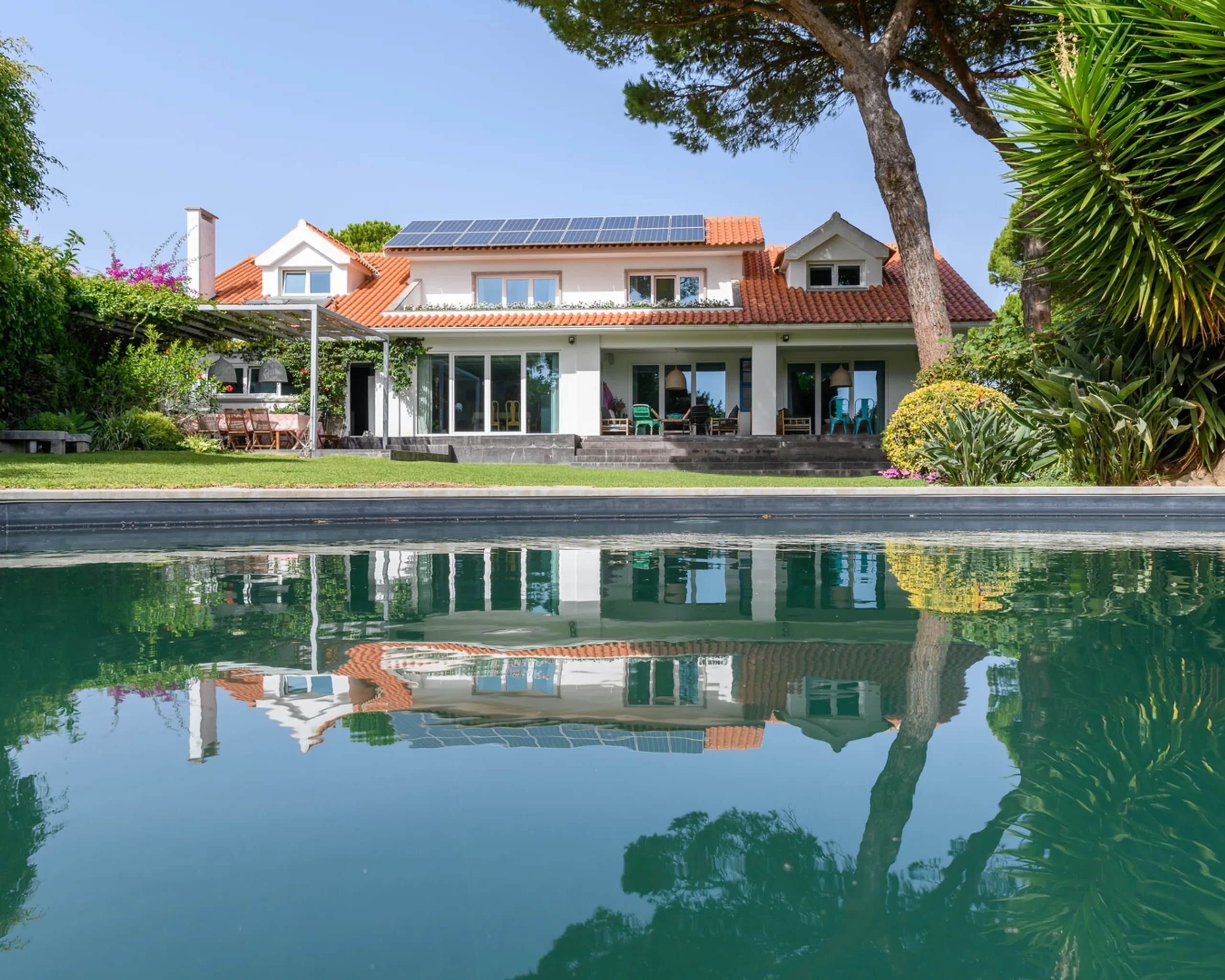
Cascais
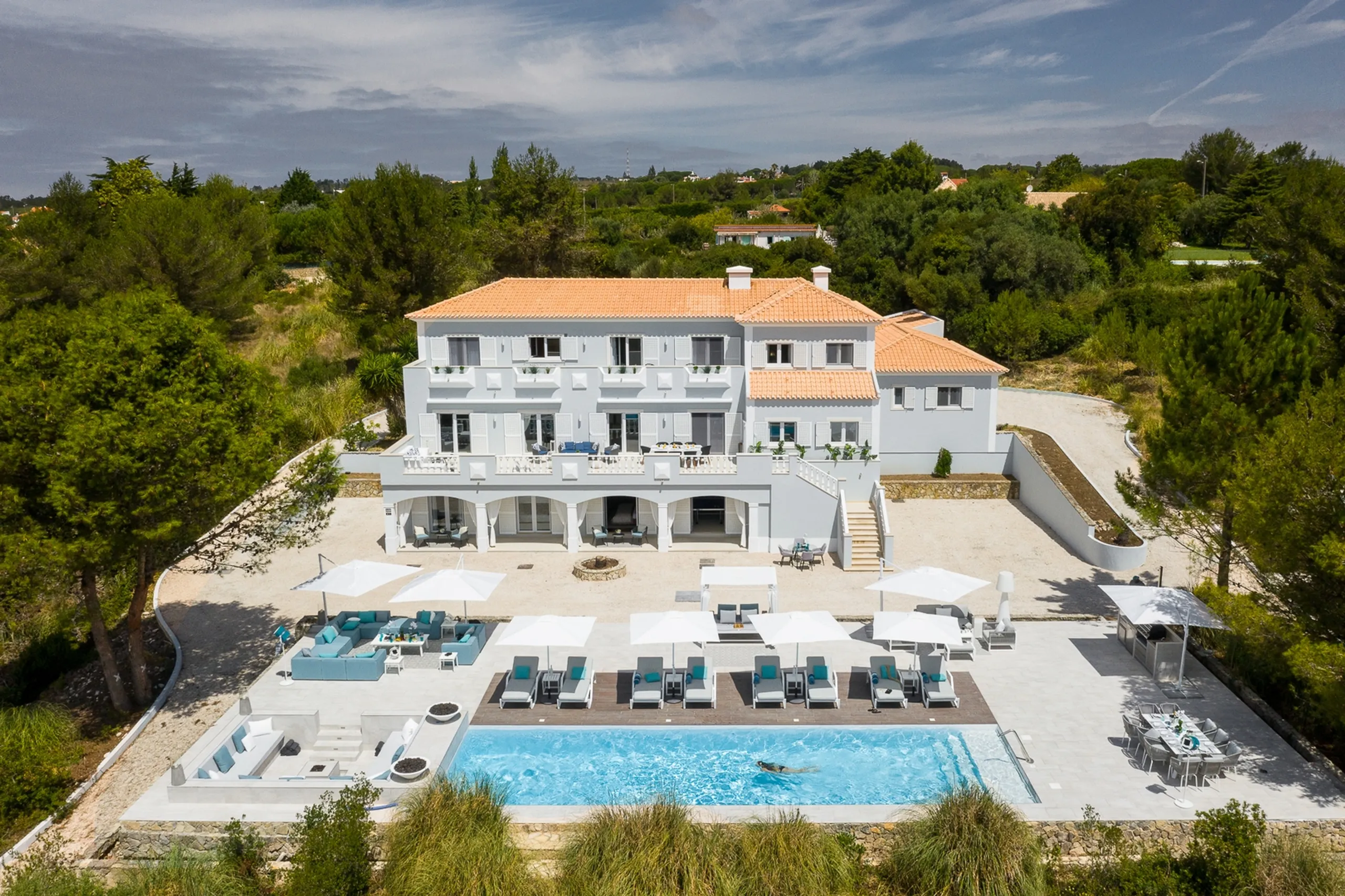
Grand Cascais Estate with Pool & Full Service for Large Groups
7 bedrooms · 18 guests
From $3,678 USD / nightInquire ↗
BEYOND THE PUBLIC COLLECTION
The villas below are just a sampling. Many homes are offered as private or pocket listings. Tell us your dates and what you have in mind, and request a personal selection by email.
Inquire for private listingsTHE PRIVATE COLLECTION
Showing 1–5 of 5 villas. Current pricing and availability require confirmation.
Cascais
7 bedrooms · 18 guests
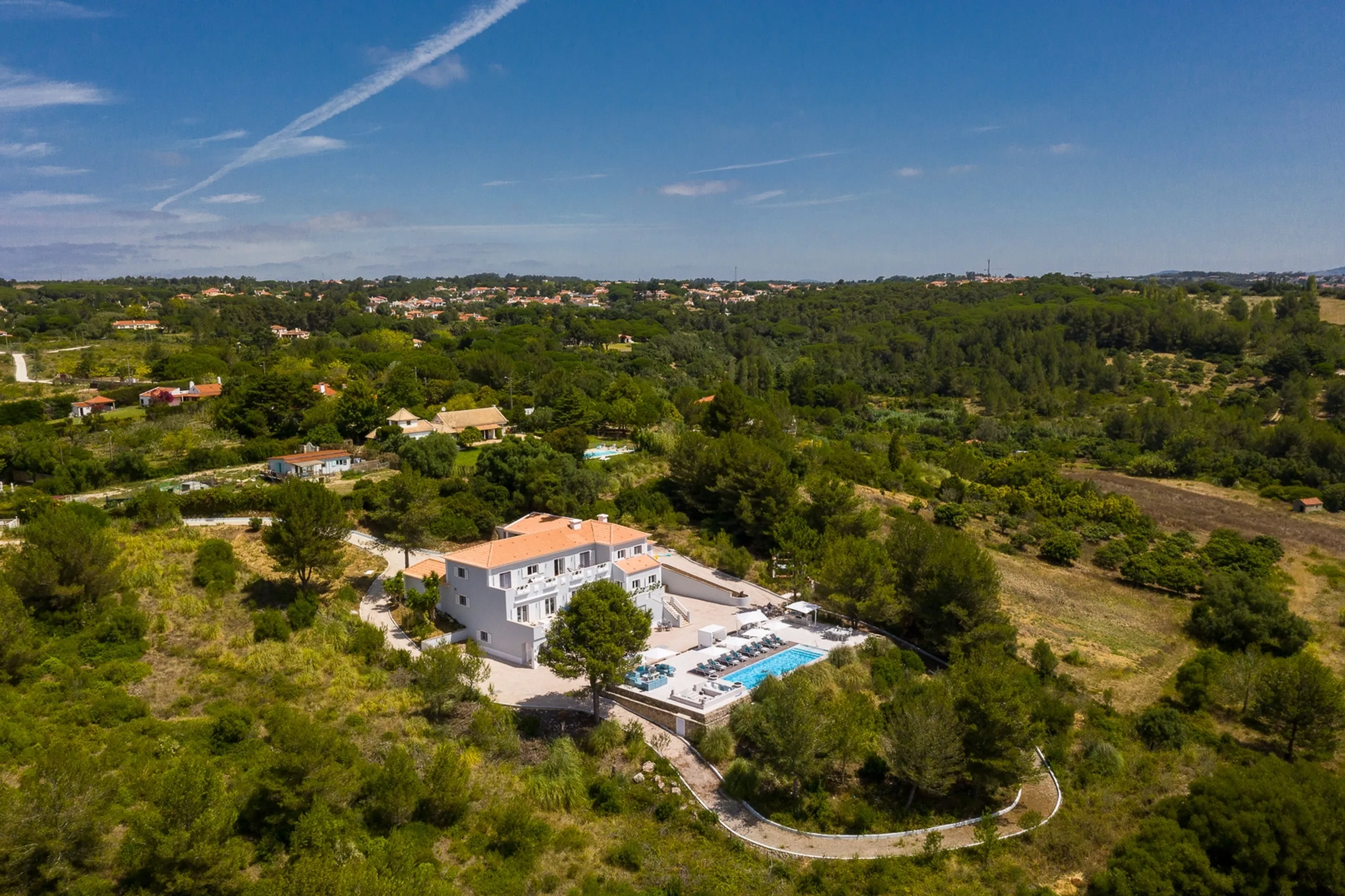
Sintra
10 bedrooms · 16 guests
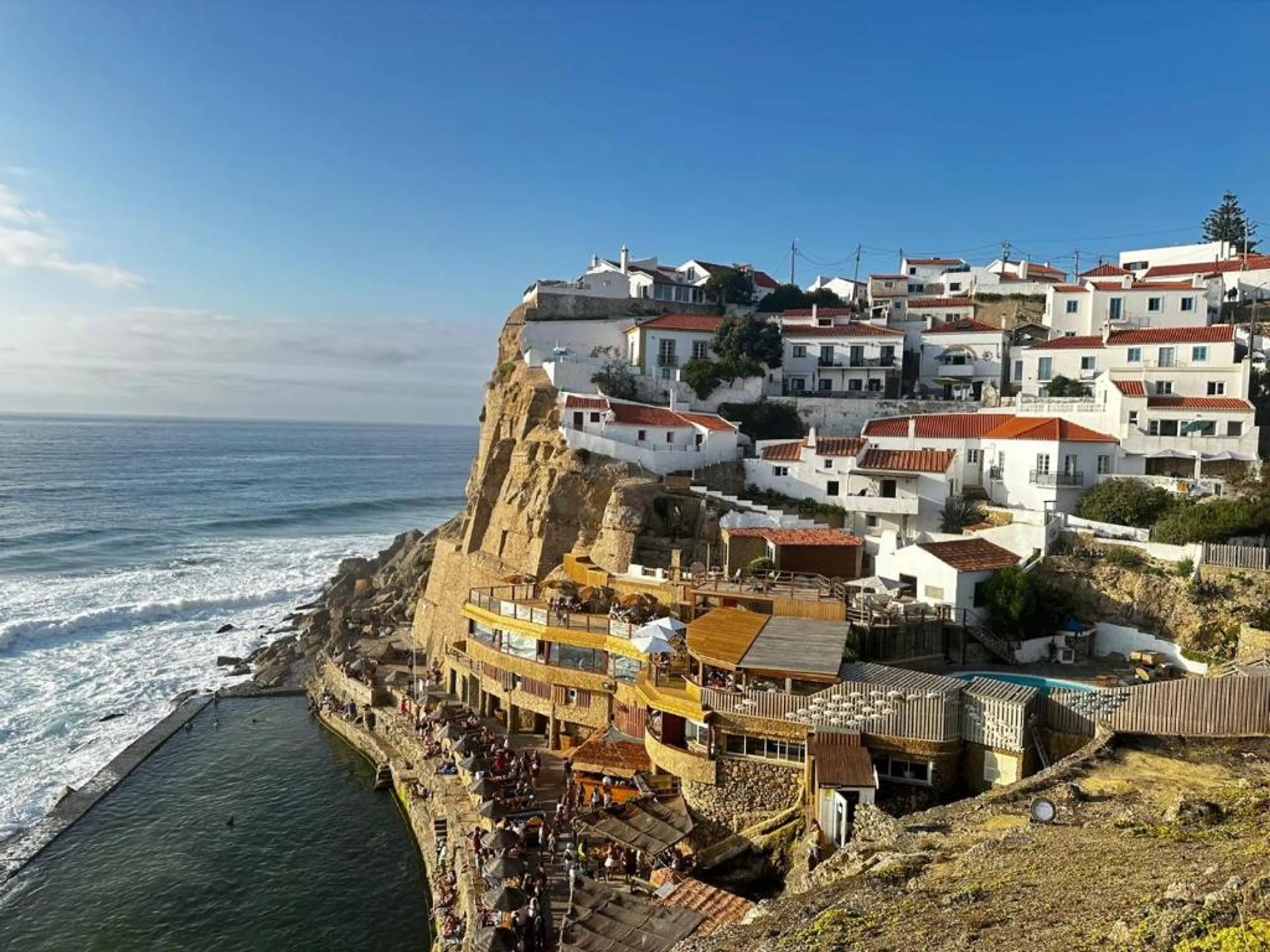
Sintra
9 bedrooms · 18 guests
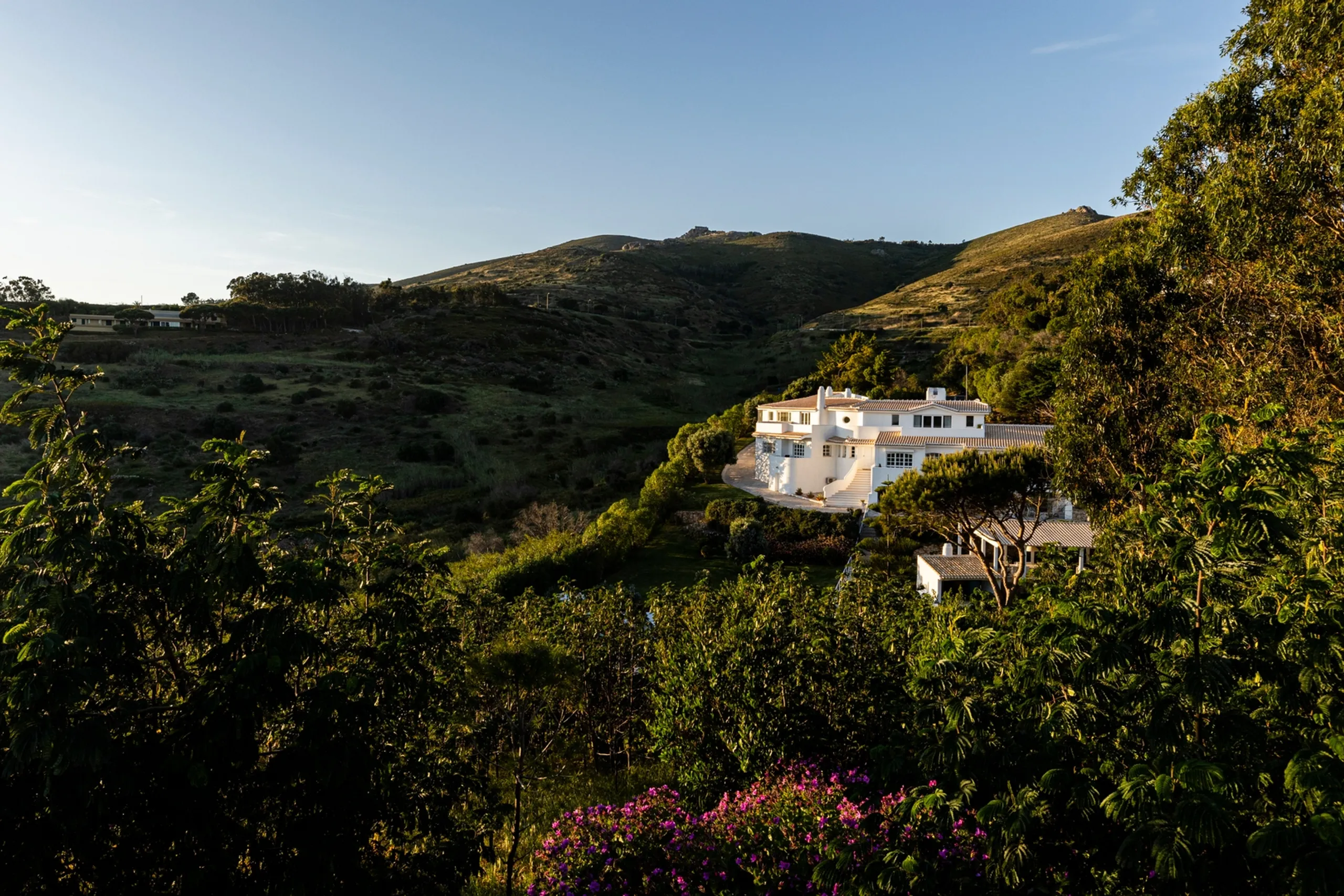
Cascais
6 bedrooms · 16 guests
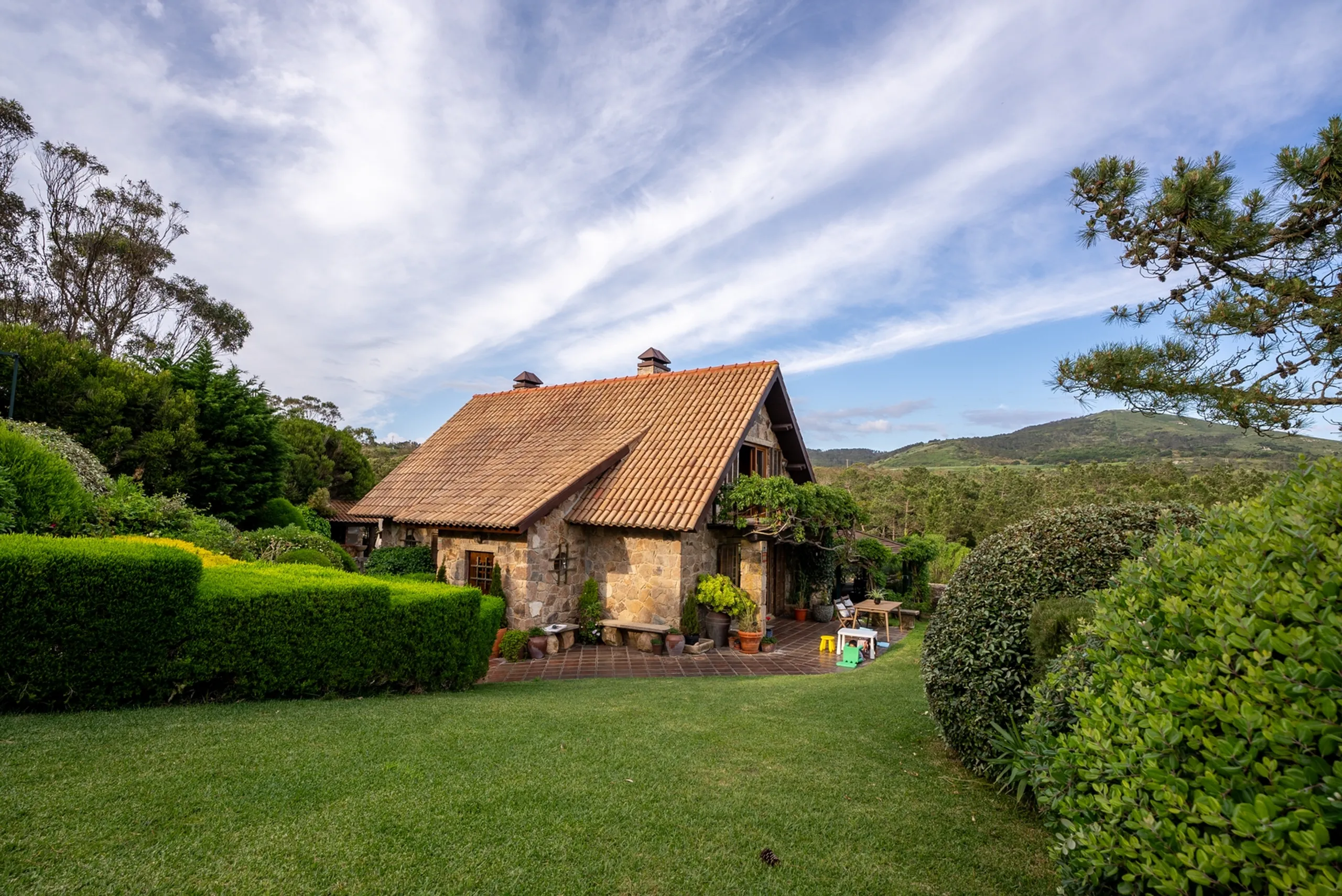
Sintra
4 bedrooms · 8 guests
This collection lists 5 villas as of 2026-09-14. Country and regional pages include homes in their linked local areas. These are catalog counts, not date-specific availability.
Listed starting rates in this collection begin at $1,231 USD per night. Luxe Retreats features villas with starting rates of at least $1,200 USD. Request a written proposal for your dates, including taxes, fees, and services.
Open individual villa pages to compare photographs, bedroom counts, guest capacity, and listed amenities. Use the planning guides to identify questions about room access, meals, and transport. Share the shortlisted references with your inquiry.
A listed home is not a confirmation of availability. The team must check your dates and the applicable booking terms. An inquiry does not take payment or hold a property.
Describe your preferred meals and experiences in your stay brief. Inclusions and provider availability vary by villa and date. Ask for a written scope and price before treating a service as confirmed.
The villas shown here are a sampling of our collection. Many homes are offered as private or pocket listings. Send an inquiry with your destination, dates and preferences to request additional options by email; availability is confirmed individually.
Compare your shortlist · Understand starting rates · Send a stay inquiry
These collections span multiple destinations. Use the villa’s location to keep your shortlist in your preferred area.
Explore the Lisbon destination guide for local areas, experiences and practical planning.
The public collection is a sampling. Additional private and pocket listings can be shared by email after your Lisbon inquiry, subject to availability.
A neighborhood-led Lisbon guide that connects the Tagus, fado, contemporary art and Portuguese dining with the right private-villa base.
Lisbon luxury villa rentals invite a particular kind of city holiday: substantial days among museums, neighborhoods and restaurants, followed by a return to private space. The first distinction is geographical. A villa within the wider Lisbon region may be oriented toward Cascais, Sintra or a residential setting outside the historic center. That can be exactly right, but it is not the same experience as opening the door onto Alfama. Choose the home with the daily journey visible from the outset.
Lisbon rewards attention to one area at a time. Its riverfront, hills and western cultural district create different kinds of day, and attempting to connect every landmark on foot can become tiring. An effective itinerary alternates concentrated urban exploration with quieter time at the house. The villa should support that rhythm rather than require a major expedition each time someone wants lunch.
Start with the city experiences that matter most. If evening dining is central, minimize the repeated return journey. If the group wants mostly coast and garden time with two substantial city visits, a regional base may be the stronger choice. The distinction is practical, not a hierarchy of luxury.
Praça do Comércio is a useful place to begin because it makes the Tagus central to the city's identity. Also known as Terreiro do Paço, the square occupies the site associated with the former royal palace before the 1755 earthquake. Its arcades, river edge and relationship with the Rua Augusta arch create a strong sense of arrival. The official square guide explains those connections and the nearby visitor attractions.
Spend time here before heading into smaller streets. The scale of the square and the open water provide a reference point for the more enclosed city that follows. A brief pause along the river can be as useful as another museum entrance, particularly on a first morning when the group is still finding its pace. It helps everyone understand where the city opens and where it climbs.
For a villa party arriving from outside the center, this is a sensible shared meeting point before dividing into different interests. Some may prefer a historical introduction; others may want to walk and browse. Rejoin for lunch instead of asking every traveler to follow one uninterrupted cultural itinerary.
Alfama's narrow streets and steep gradients give it a character that cannot be understood from a drive past its edges. The cathedral, Miradouro de Santa Luzia and Portas do Sol provide useful reference points, with the Tagus appearing between the neighborhood's built layers. Visit Lisboa's Alfama guide places these landmarks within a district best approached on foot and with time for pauses.
Do not turn the hills into a test of endurance. Choose a starting point and direction that suit the group, then leave room to stop. A viewpoint is more enjoyable when nobody feels hurried toward the next ascent. The neighborhood's appeal also lies in the smaller connections between streets, so a short, attentive visit can be more rewarding than an ambitious route completed in discomfort.
Alfama remains a lived-in place. Treat doorways, residential lanes and everyday activity with the same consideration you would want around your own home. That attitude improves the visit: the neighborhood becomes a place to understand rather than a stage arranged for photographs. A villa holiday allows enough time to return for a different part of it on another day.
The Museu do Fado offers a focused introduction to the music's history, performers and instruments. Its location at Largo do Chafariz de Dentro makes it a natural companion to an Alfama day. The museum's exhibitions and sound resources give context to an evening performance, helping visitors hear more than a generalized expression of melancholy.
A museum visit and a live performance need not happen on the same day, but they can illuminate each other. Choose an evening because you want to listen, and review the venue's format so the balance between dinner and music matches expectations. A performance-centered night asks for a different kind of attention from a lively restaurant meal with background sound.
For a mixed group, make the music optional rather than compulsory. Those who are interested can build a full evening around it while others return to the house after dinner. The strength of staying together in a private home is that shared breakfasts and unhurried time can hold the holiday together even when individual cultural interests differ. A common base should create freedom, not require identical plans.
Príncipe Real shifts the emphasis from major monuments toward gardens, shops and the texture of a residential neighborhood. The tourism board places it between São Pedro de Alcântara's viewpoint and São Bento, describing a mixture of grand houses, smaller gardens, restaurants and antique shops. The official Príncipe Real introduction is a useful starting point for an afternoon that does not need a long list of admissions.
This is the sort of area where leaving part of the day unassigned pays off. Browse with an actual interest in mind, stop for coffee and let the next street be a choice rather than an obligation. The contrast with a monument-heavy Belém day is valuable. Lisbon becomes a collection of ways of living, not simply a catalog of buildings.
For guests choosing a regional villa, Príncipe Real can anchor a shorter city visit that ends with dinner. It suits travelers who want urban atmosphere without committing to a full day inside museums. Keep the route compact enough that the evening remains enjoyable, particularly if the return home involves a drive rather than a short walk.
Belém's monastery and tower connect Lisbon to Portugal's maritime expansion. The Jerónimos Monastery and Tower of Belém form a World Heritage property, recognized for their architecture and historical significance. The UNESCO description provides a starting point for understanding the monuments. A thoughtful visit leaves room to consider both the artistic achievement and the broader histories of trade, power and empire behind the setting.
Treat Belém as its own district rather than an appendage to a morning in Alfama. The scale and spacing of its attractions create a different walking day, with the riverfront supplying continuity between stops. Select the interior visits that matter most and confirm current access directly before finalizing the plan. A monument seen from outside can still be part of a worthwhile day when the visit is designed honestly around what is available.
For villa guests arriving from the coast, Belém can also be a natural first urban chapter. It introduces Lisbon without immediately demanding the climbs of the older neighborhoods. Keep the day focused here, then return another time for a different part of the city.
Pastéis de Belém traces its production to 1837 and a recipe associated with the nearby Jerónimos Monastery. The bakery's own account makes clear that this named pastry tradition belongs to a particular place, rather than being simply another label for every custard tart in Lisbon. A stop here can connect food and history without requiring a formal dining occasion.
Build it into the Belém day as a pause, not a competitive exercise in finding the one correct way to eat a pastry. Allow enough time for the visit to be enjoyable, and avoid planning an immediate timed entrance afterward. The simple pleasure of coffee and something freshly baked can provide a useful break between larger cultural experiences.
For a villa party, food memories often come from these small moments as much as from destination restaurants. A favorite bakery stop gives the group a shared reference that is easy to repeat. Lisbon's appeal grows when there is room for that sort of ordinary preference, alongside the more ambitious meals and museum visits planned before arrival.
MAAT, the Museum of Art, Architecture and Technology, adds a contemporary cultural dimension to Belém. Its program spans exhibitions and activities across its spaces, including MAAT Central and the gallery. The official calendar is the right place to choose a visit for your dates, since the appeal of a contemporary museum depends partly on what is being shown rather than only on the building's reputation.
MAAT works particularly well as a deliberate contrast to the monastery and tower. One part of the day can examine monumental history; another can engage with contemporary artists and questions. Do not assume that contrast requires visiting every space in a single afternoon. Select the exhibition that interests the group and leave time around it to experience the waterfront.
Families should look at the museum's actual age-appropriate programming rather than assuming that contemporary art will either automatically entertain or exclude children. A well-matched workshop or focused exhibition can produce a better visit than a long, unguided circuit. The villa gives everyone a place to regroup afterward, so the cultural day can remain ambitious without becoming exhausting.
Belcanto presents José Avillez's contemporary Portuguese cooking. It is an appropriate choice when dinner should be a major cultural event within the trip, with the format and reservation arranged in advance. Give the meal its own evening and avoid surrounding it with plans that require constant attention to the clock. A substantial tasting experience is most rewarding when the group has the energy to enjoy it.
Cervejaria Ramiro offers a different Lisbon institution, with its address on Avenida Almirante Reis and current reservation information provided by the restaurant. Use its menu to choose the meal that suits the party rather than assuming the name alone answers questions about dietary needs, budget or seating arrangements. The contrast with Belcanto is useful: a city dining itinerary can contain very different kinds of hospitality.
Neither restaurant needs to make every evening formal. Plan one or two meals that matter and leave room for simpler choices, including dinner at the villa. Our private-chef dining guide helps define that home experience, with service and groceries confirmed separately where appropriate. Lisbon's restaurants and a private kitchen can complement each other rather than compete for every night.
The Cascais collection is worth considering when the group wants the coast to supply its daily rhythm, with Lisbon as a series of outings. The Sintra collection points toward a different landscape of wooded hills and cultural visits. Neither should be presented as a central Lisbon neighborhood. The distinction matters most when planning evening returns and deciding how often the group expects to enter the city.
For Sintra, Pena Palace and its park can be a major reason to stay in the region. The official palace information explains the available experiences and the need to arrange the visit around access conditions. It deserves a separate day, not an improvised addition to a Lisbon museum morning.
A Portugal-wide search may reveal that the best trip is two distinct stays: several city nights and a villa chapter elsewhere. That can be more satisfying than choosing a distant house and repeatedly asking it to function as an urban hotel. Let the itinerary determine the home, with enough time in each place to justify the move.
Lisbon's hills are part of its beauty, but they should influence the plan. Group activities geographically, allow pauses and use transport when it preserves energy for the experience that matters. The objective is not to walk every possible connection. It is to reach dinner still interested in the city. In warmer weather, put demanding outdoor exploration earlier and leave room for a shaded break or an interior visit.
For families or guests with mobility considerations, the accessible-villa questions guide helps make needs specific before choosing a property. Apply the same precision to city days: a route that looks short on a map may include slopes, steps or uneven surfaces. Confirm what is relevant to the individual traveler instead of accepting a general description of convenience.
Our villa arrival checklist is useful for the first day, especially when the property lies beyond the center. Arrange the arrival around the exact address and keep the first meal straightforward. That leaves the following morning free to meet Lisbon with attention rather than begin it with unresolved errands.
Lisbon becomes more compelling when the itinerary leaves room to return. A second Alfama walk, another afternoon near the river or a familiar café can reveal details missed during the first visit. Share the neighborhoods that interest you, the desired balance between city and coast and the group's bedroom needs through a Lisbon villa inquiry. Public villas are a sampling; additional private or pocket listings may be shared by email after inquiry, subject to availability.